
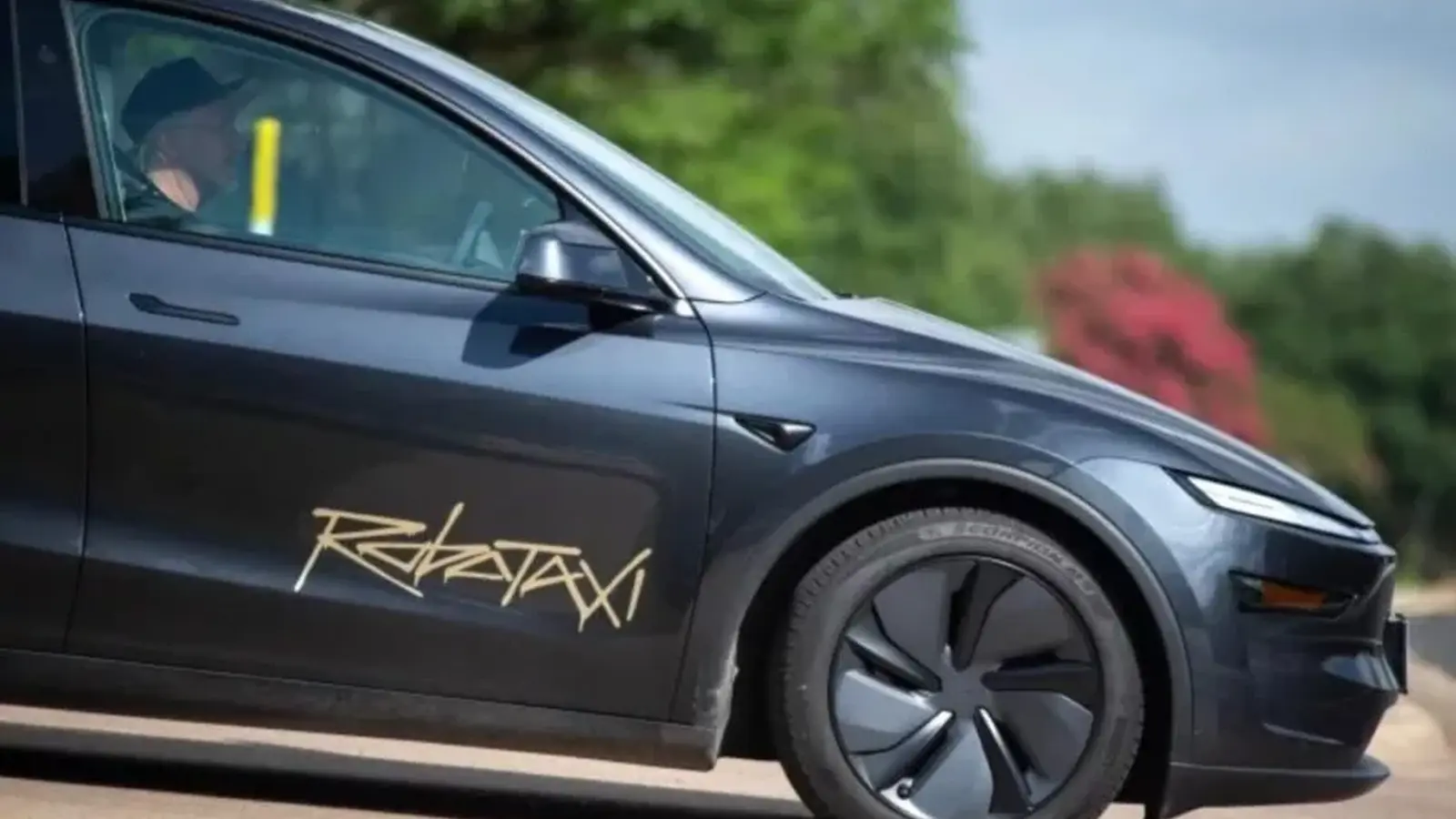
Tesla robotaxi safety questioned after Austin data
Fresh data from Austin, Texas, casts doubt on Tesla's claim that its autonomous robotaxi service is safer than human drivers. According to filings reported by Electrek and sourced from the U.S. National Highway Traffic Safety Administration (NHTSA) database, Tesla has logged multiple collisions involving its robotaxi fleet — and the aggregated numbers suggest a significantly higher crash rate than the average American driver.
What the numbers show
Tesla reportedly submitted records for 14 incidents to NHTSA since the robotaxi program began operating in Austin in June 2025. Electrek identified five additional collisions that occurred in December and January, all involving Tesla Model Y vehicles with the autonomous driving system active. The incidents range from low-speed impacts with stationary objects and backing-into obstacles to a collision with a bus while the Tesla was stationary and a slow-speed truck contact.
Using Tesla's reported odometer figures — about 1,126,554 km driven by the fleet through the end of November 2025, with an Electrek estimate of roughly 1,287,490 km by mid-January 2026 — the robotaxi crash rate works out to approximately one crash every 91,733 km. By contrast, U.S. statistics indicate an average minor crash occurs every 368,541 km for a human driver, and major collisions are much rarer (about 1,124,000 km between severe crashes). That puts the Austin robotaxi rate at nearly four times the frequency of minor crashes for typical drivers.
Patterns and performance issues
The collision types reported suggest weaknesses in low-speed maneuvering and close-quarters obstacle handling by the system. Several incidents involved low-speed contacts — including two backing collisions and an impact at roughly 27 km/h — indicating the autonomous stack may struggle in tight urban scenarios or when negotiating stationary objects.
Key takeaways:
- 14 reported incidents since June 2025 for Austin robotaxis.
- Estimated fleet mileage: ~1,287,490 km (through mid-Jan 2026).
- Calculated crash rate: ~1 per 91,733 km — nearly 4× higher than average U.S. minor-crash rates.
"These figures complicate Tesla's narrative of robotaxis being inherently safer than human drivers," an industry analyst told Electrek.
Market and safety implications
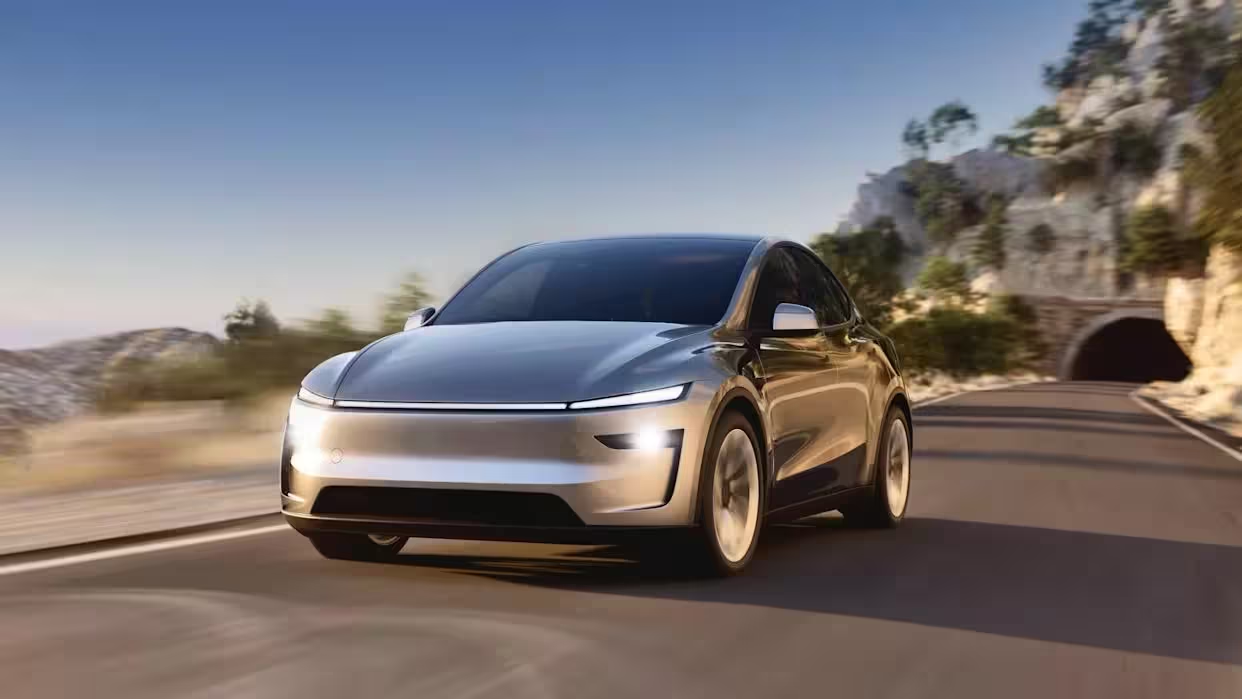
For consumers and urban mobility planners, the Austin data is a reminder that real-world deployment of self-driving systems often exposes edge-case behaviors that simulations miss. Tesla's robotaxi concept — built heavily around the Model Y platform and over-the-air software updates — remains ambitious, but regulators like NHTSA and city transportation departments will increasingly scrutinize operational safety metrics as usage scales.
Tesla has not publicly disputed the raw incident filings, though the company often argues context matters (severity, fault, and exposure). Still, until crash rates align more closely with or better human baselines, the safety advantage claimed for autonomous driving remains contestable.

Leave a Comment
Comments
No comments yet. Be the first.