
From the racetrack to the bike lane: a new micro EV
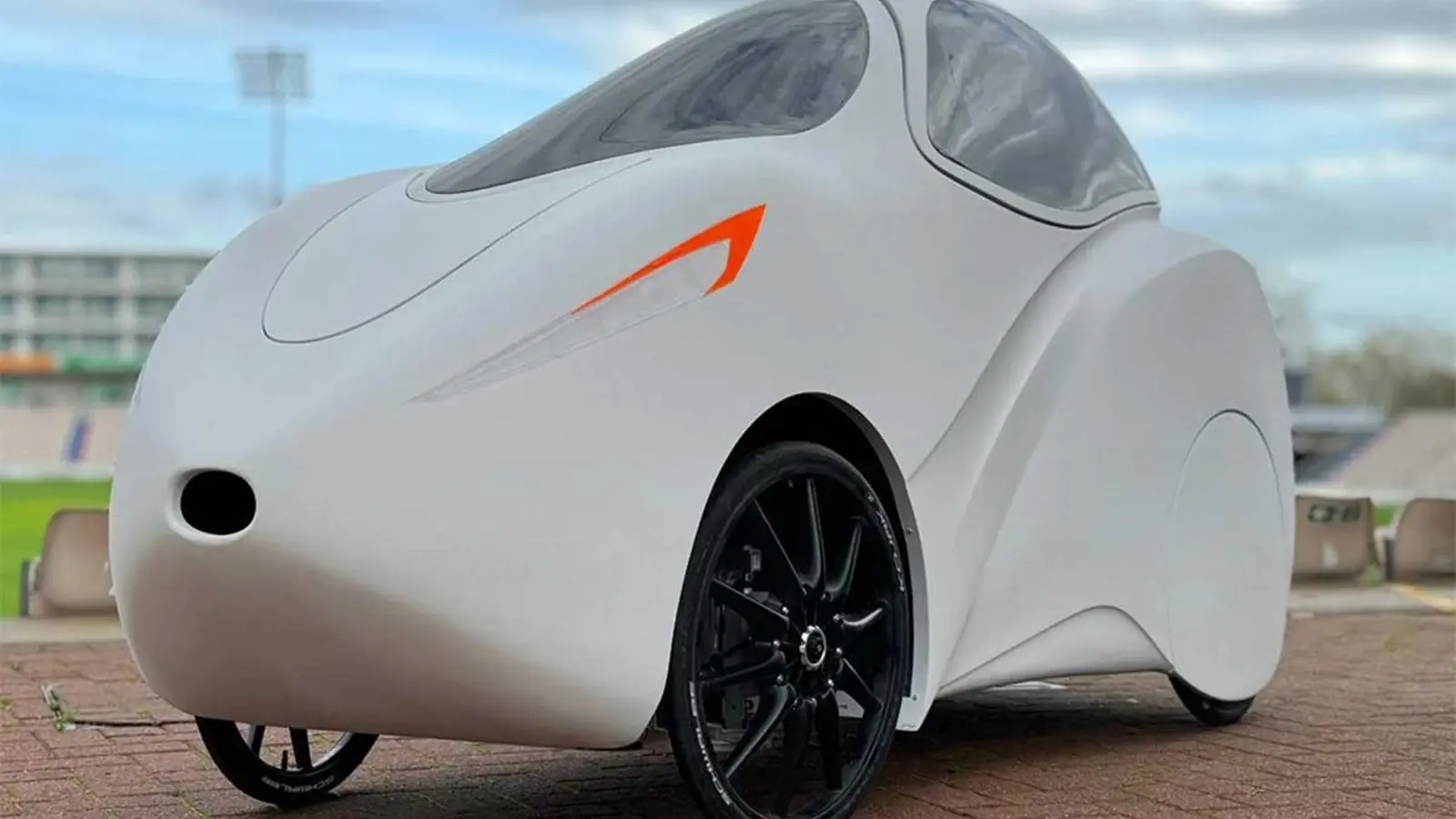
Imagine a vehicle as narrow as a bicycle lane but offering the protection and cargo space of a small car. That’s the idea behind Elecy, a four-wheeled electric velomobile developed by British ex-Formula 1 engineer Tamara Ivankova and her startup, Amara Automotive. Elecy blurs the line between high-end e-bike and microcar to tackle urban congestion and air pollution with a practical, lightweight solution.
What sets Elecy apart?
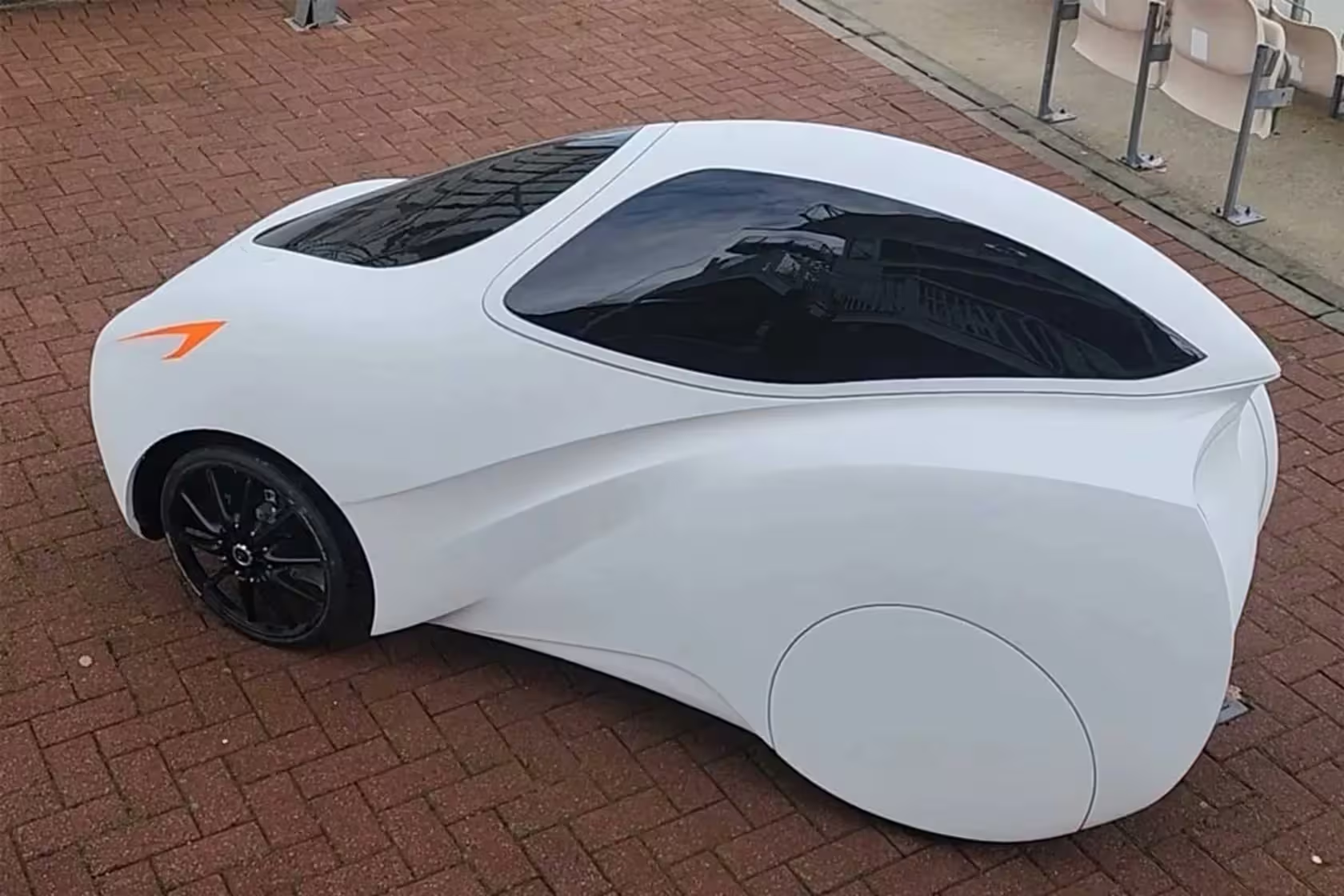
Unlike most electric bikes that leave riders exposed to wind and rain, Elecy has a fully enclosed, aerodynamic cabin that shields occupants from the elements. The interior is configured for an adult in the front and a child in the rear, and a surprisingly generous 300 liters of cargo space makes daily grocery runs realistic. A retractable roof lets you switch to an open-air experience on sunny days, while ventilation ducts are standard and a bespoke air-conditioning option is in development.
Key specifications
- Electric range: up to 80 km on a single charge (3-hour charge)
- Battery: removable for convenient charging; optional second battery for extended range
- Top speed: limited to 25 km/h for legal use in cycle lanes
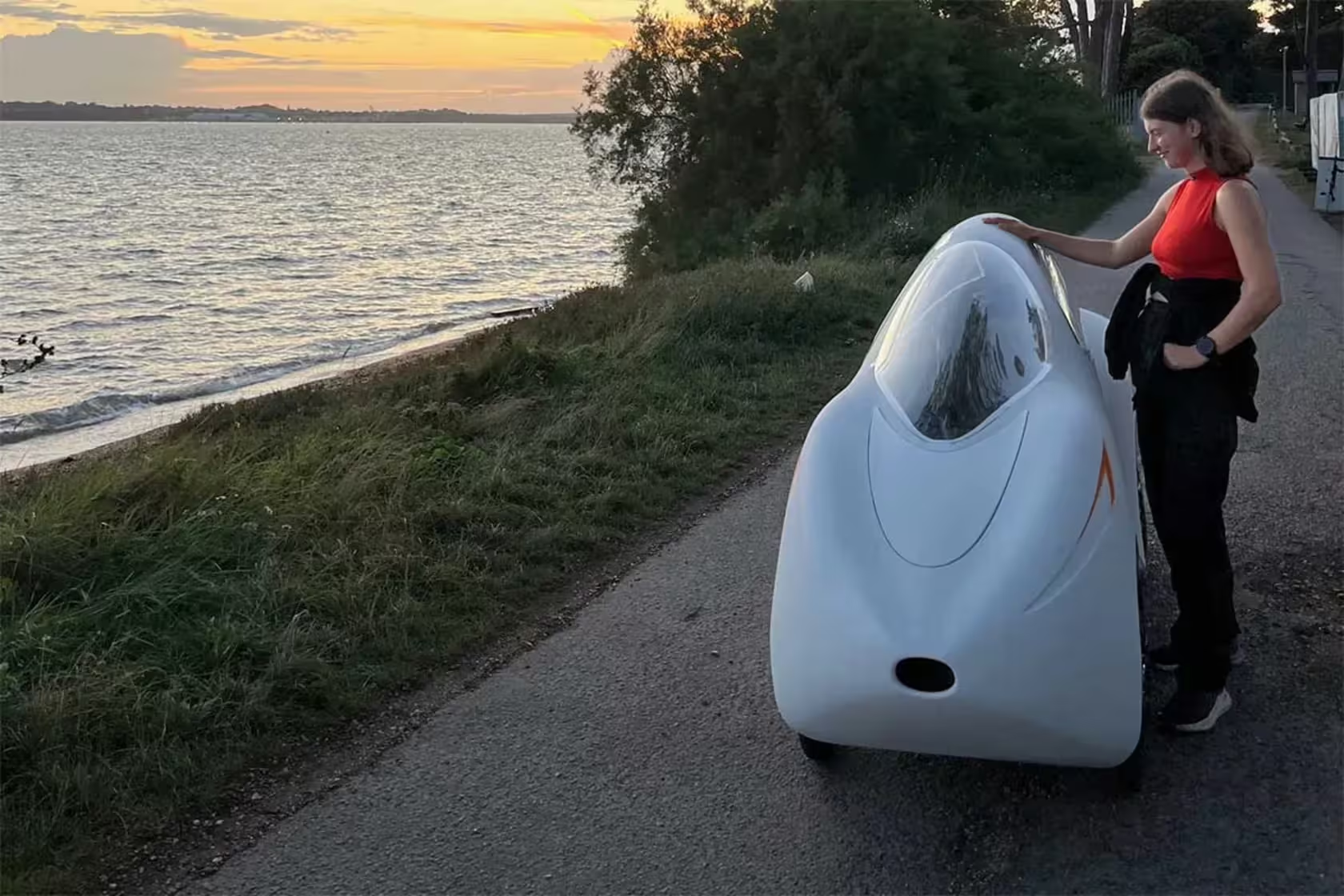
- Dimensions: 2.5 m long x 0.8 m wide
- Weight: 45 kg (composite body made largely from recycled and renewable materials)
- Safety & tech: GPS tracker, full LED lighting (headlights, taillights, brake lights, indicators)
Performance and legal positioning
Elecy is designed as a pedal-assist vehicle: riders can switch off the electric motor and pedal like a traditional trike, or use the motor to cruise at a regulated 25 km/h. That speed cap deliberately targets legal classification that allows Elecy to use cycle lanes in many urban jurisdictions — a huge advantage for commuters wanting to bypass traffic without the paperwork or licensing requirements of a conventional car.
Design and sustainability
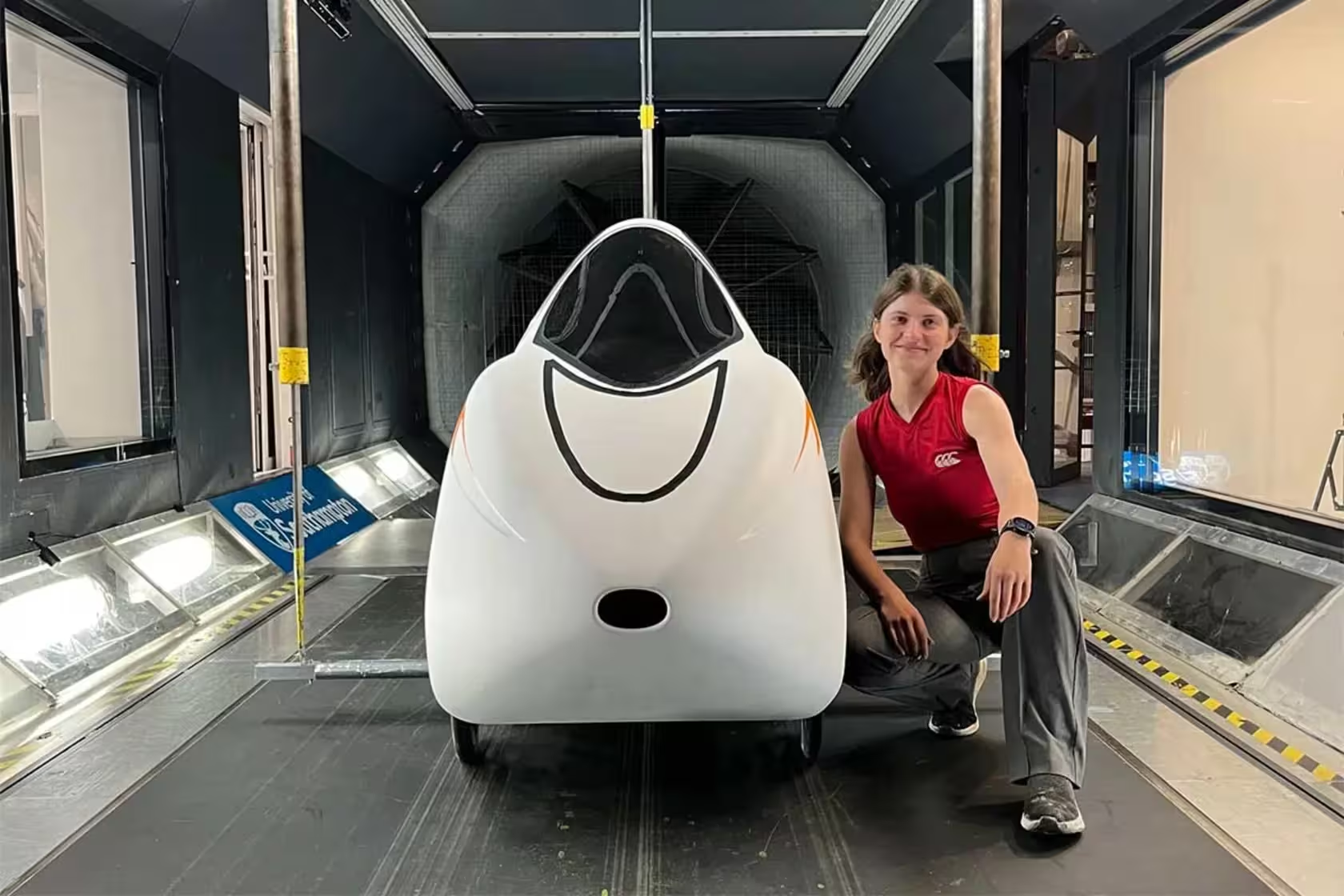
Weighing just 45 kg, Elecy’s low mass is achieved through a composite shell made mostly from recycled and renewable materials. The compact 0.8-meter width makes lane-splitting through narrow bike paths or tight urban streets effortless. The mix of passenger safety, cargo practicality and sustainable construction positions Elecy in the growing micro-mobility segment as an eco-conscious alternative to cars for short urban trips.
Market outlook and timeline
Ivankova plans a global prototype tour this year to showcase Elecy. Regulatory testing and certification are expected to take 12–18 months, with pre-orders targeted to open in late 2026. Pricing hasn’t been announced, but the vehicle’s target audience is clear: urban commuters, families seeking a second lightweight vehicle for short trips, and sustainability-minded buyers who want car-like protection without the footprint of a full-sized EV.
"I love cars and mobility," Ivankova says. "I founded Amara to let people enjoy the vehicles they love without harming the environment. Elecy is just the beginning."
Why it matters
As cities look to reduce congestion and emissions, solutions like Elecy could play a valuable role. It’s not a replacement for every trip or driver, but for last-mile commuting, school runs and quick errands, this electric velomobile offers a compelling blend of safety, convenience and low environmental impact.
Highlights:
- Enclosed cabin with retractable roof
- 80 km range, removable battery
- 25 km/h legal top speed for cycle lanes
- Lightweight, sustainable composite body
For car and micro-mobility enthusiasts, Elecy is a notable new entrant that brings Formula 1 engineering thinking to everyday urban transport.

Leave a Comment
Comments
No comments yet. Be the first.