
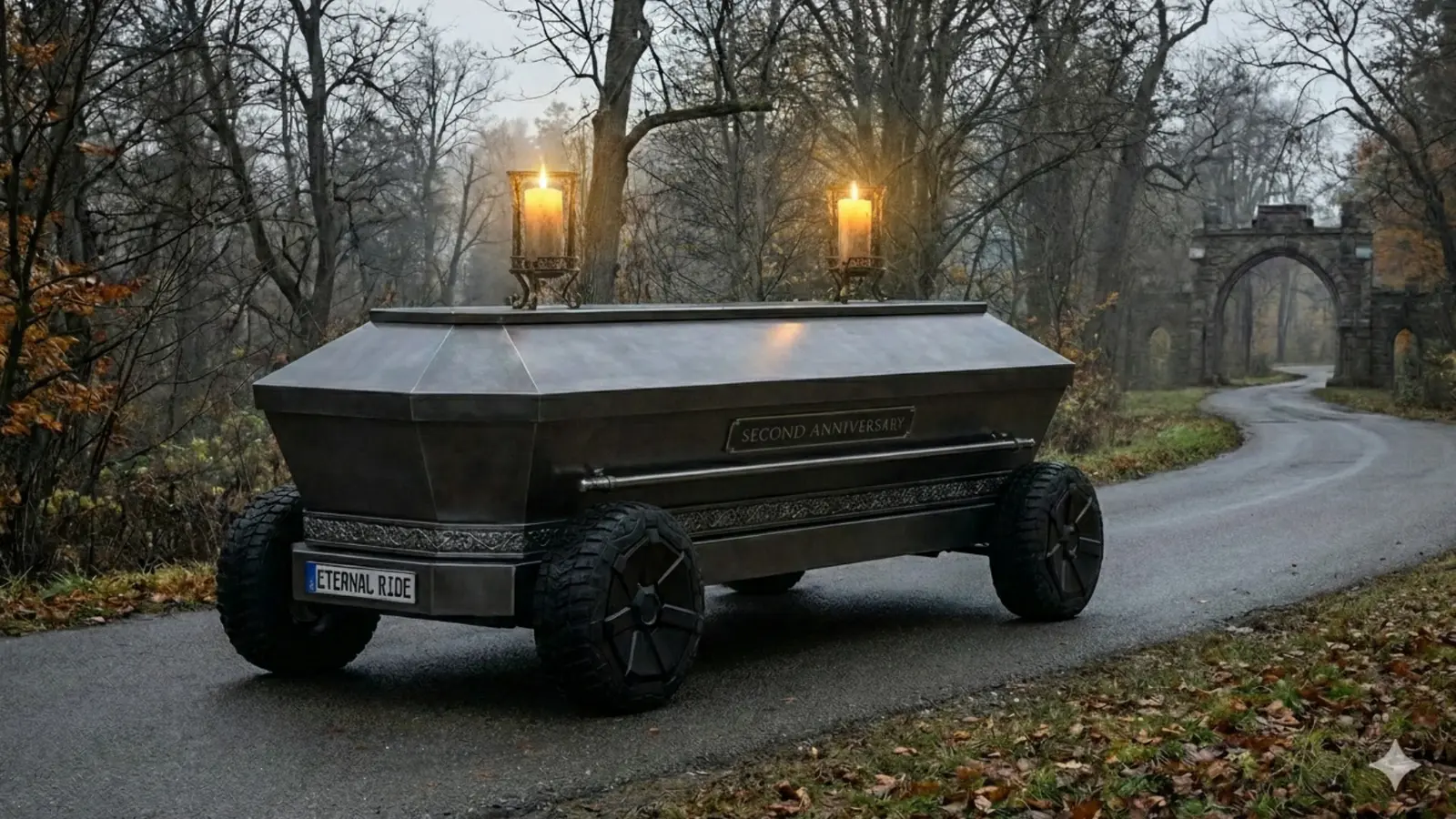
From launch spectacle to uneasy anniversary
Two years after Tesla handed the first Cybertrucks to a select group of influencers, celebrities and high-profile buyers, the initial excitement has given way to a far quieter reality. The first ten deliveries on November 30, 2023 generated headlines and social media moments, but they did little to keep long‑term demand humming. Today the Cybertruck sits in a rare spot for a Tesla: a high-profile product that has struggled to convert early buzz into sustained sales.
Reservations vs. reality
When the angular electric pickup debuted in 2019 it sparked a frenzy — Tesla logged hundreds of thousands, then over a million reservations. Elon Musk publicly spoke of wildly ambitious targets, including annual sales in the hundreds of thousands. But a refundable $100 reservation option and viral hype don’t equate to repeatable market demand.
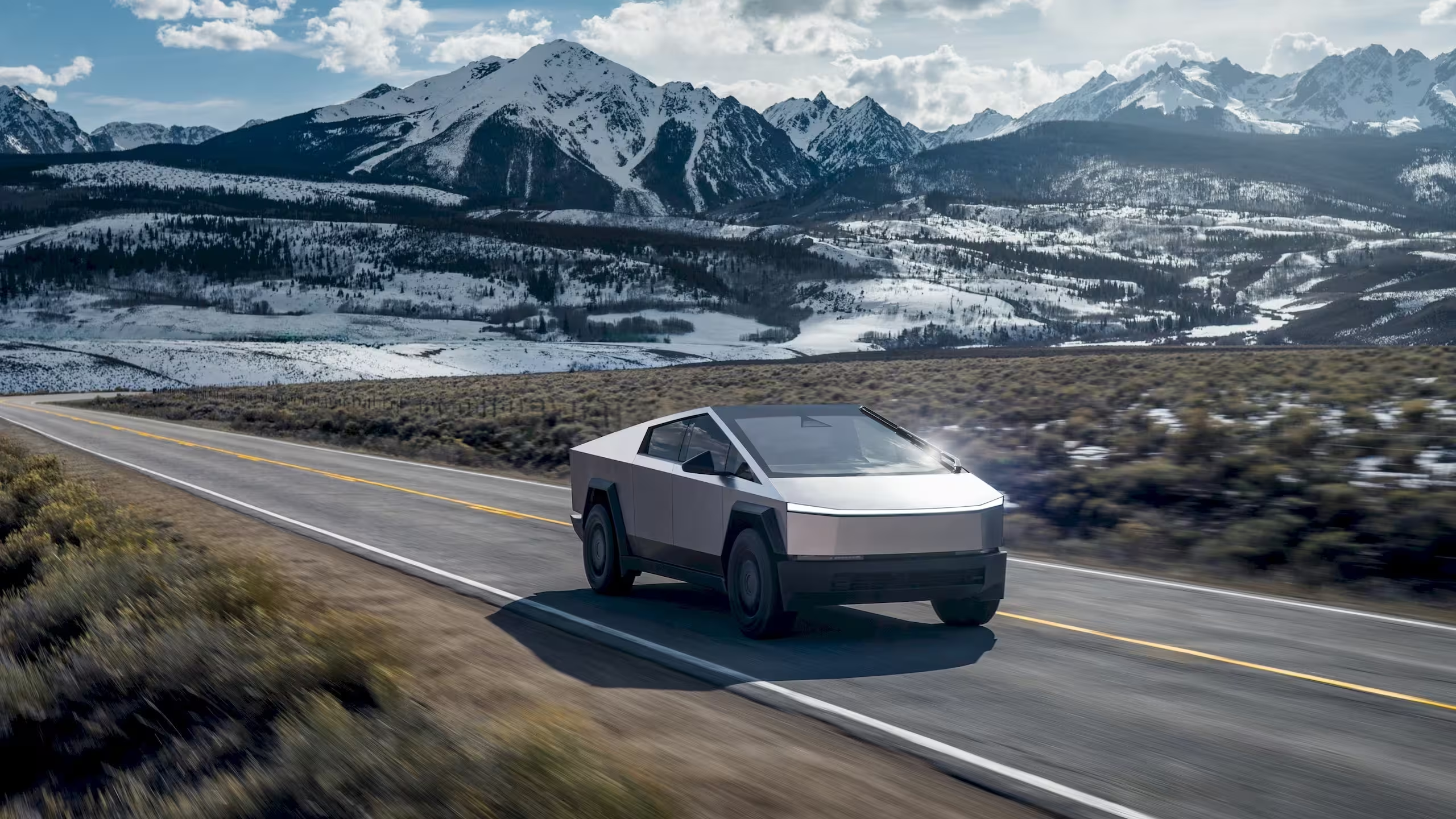
By the time production began, the vehicle that reached customers was notably different from the one many buyers expected. Promised specs and pricing slid. Where Tesla once positioned the Cybertruck as being only marginally more expensive than a base Model 3, the production trucks arrived at higher price points and with performance that many early adopters found underwhelming.
Key comparison from launch
- Model 3 SR (late 2019): around $39,490
- Model 3 LR AWD (late 2019): around $48,490
- Cybertruck initial promises: price close to Model 3; production units landed substantially higher
Those gaps — between expectation and delivery — helped transform a peak of excitement into buyer skepticism.
Design, identity and the politics problem
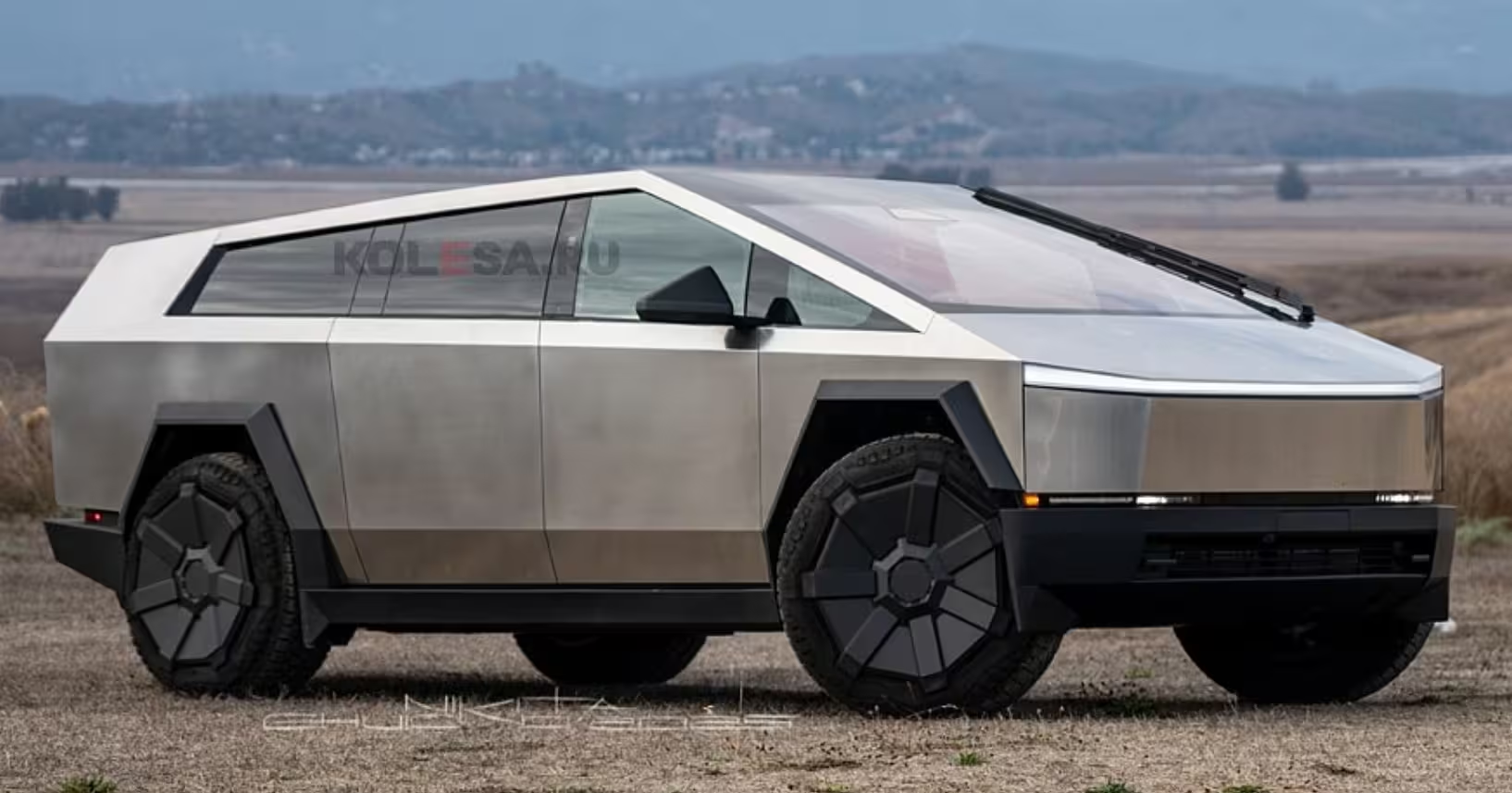
The Cybertruck’s polarizing, polygonal styling was an intentional gamble: stand out or be invisible. That unconventional look won ardent fans but also made the truck an easy cultural lightning rod. As the owner community and public discourse intersected with the shifting political profile of Tesla’s leadership, ownership became uncomfortable for some buyers. Reports of vandalism, harassment and rapid resale among early owners did not help the truck’s reputation or resale values.
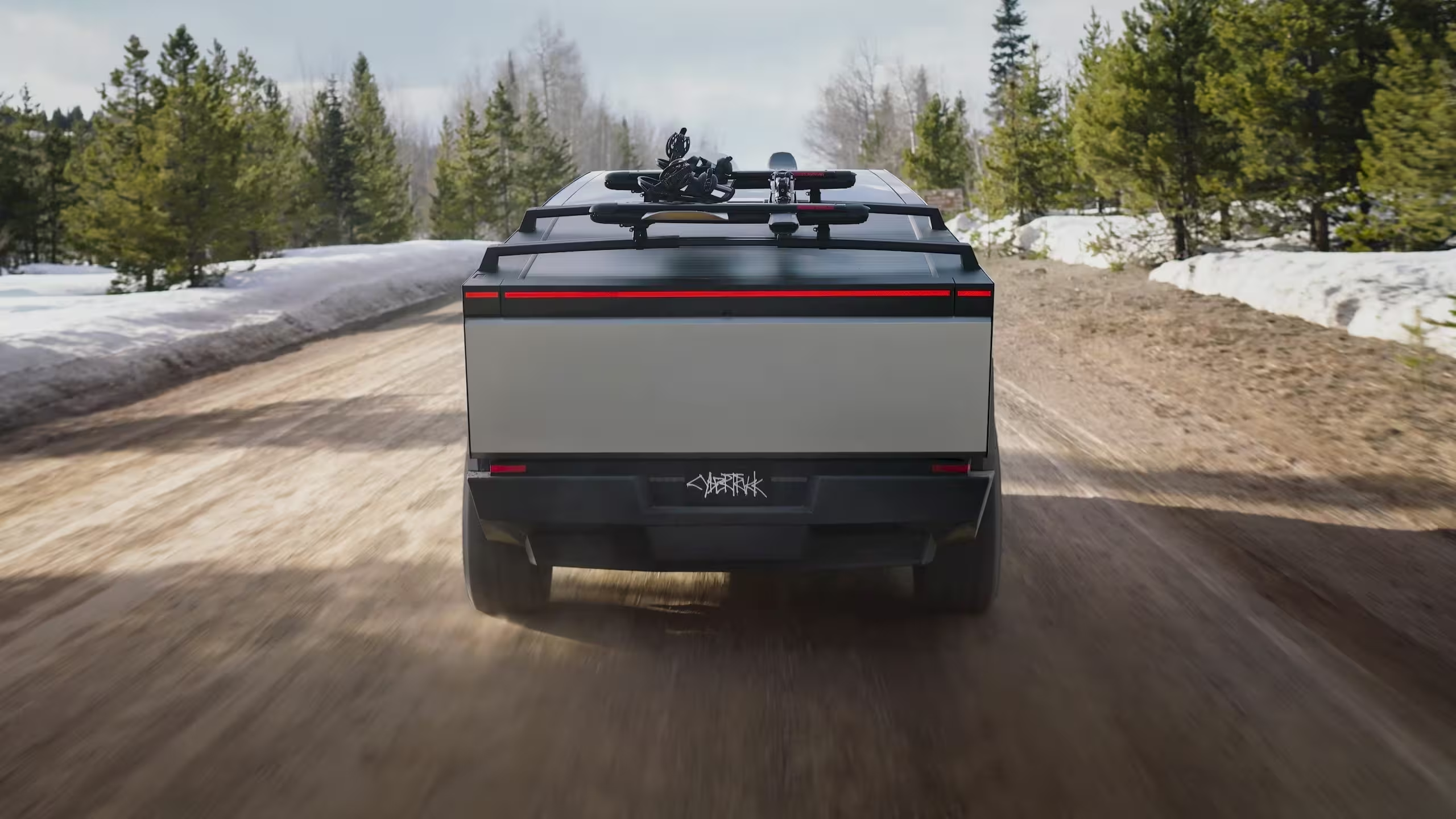
Tesla’s design chief has publicly signalled that the Cybertruck’s aesthetic is not going away. Franz von Holzhausen has hinted Tesla may expand that language into other models — a Cyber‑SUV is reportedly under consideration — rather than retreat to a more conventional pickup silhouette.
Technical teething and market acceptance
Beyond optics, the Cybertruck has shown its own set of teething pains. As a technology-forward platform, early units exposed hardware and software features that some owners deemed premature for mass production. This led to a steady stream of buybacks and trade‑ins, especially among influencers and early adopters who preferred to exit rather than wait out fixes.
Tesla’s unwillingness or inability to quickly address pricing and specification complaints left the pickup vulnerable. Rather than lowering prices permanently or reworking the spec sheet, the company leaned on other tactics to maintain volume.
Unconventional sales moves
- Musk directed thousands of trucks to his other companies — SpaceX, xAI and The Boring Company — creating internal fleets that absorb some production capacity.
- Tesla expanded launches into markets like South Korea and the UAE, and has explored Australia and New Zealand.
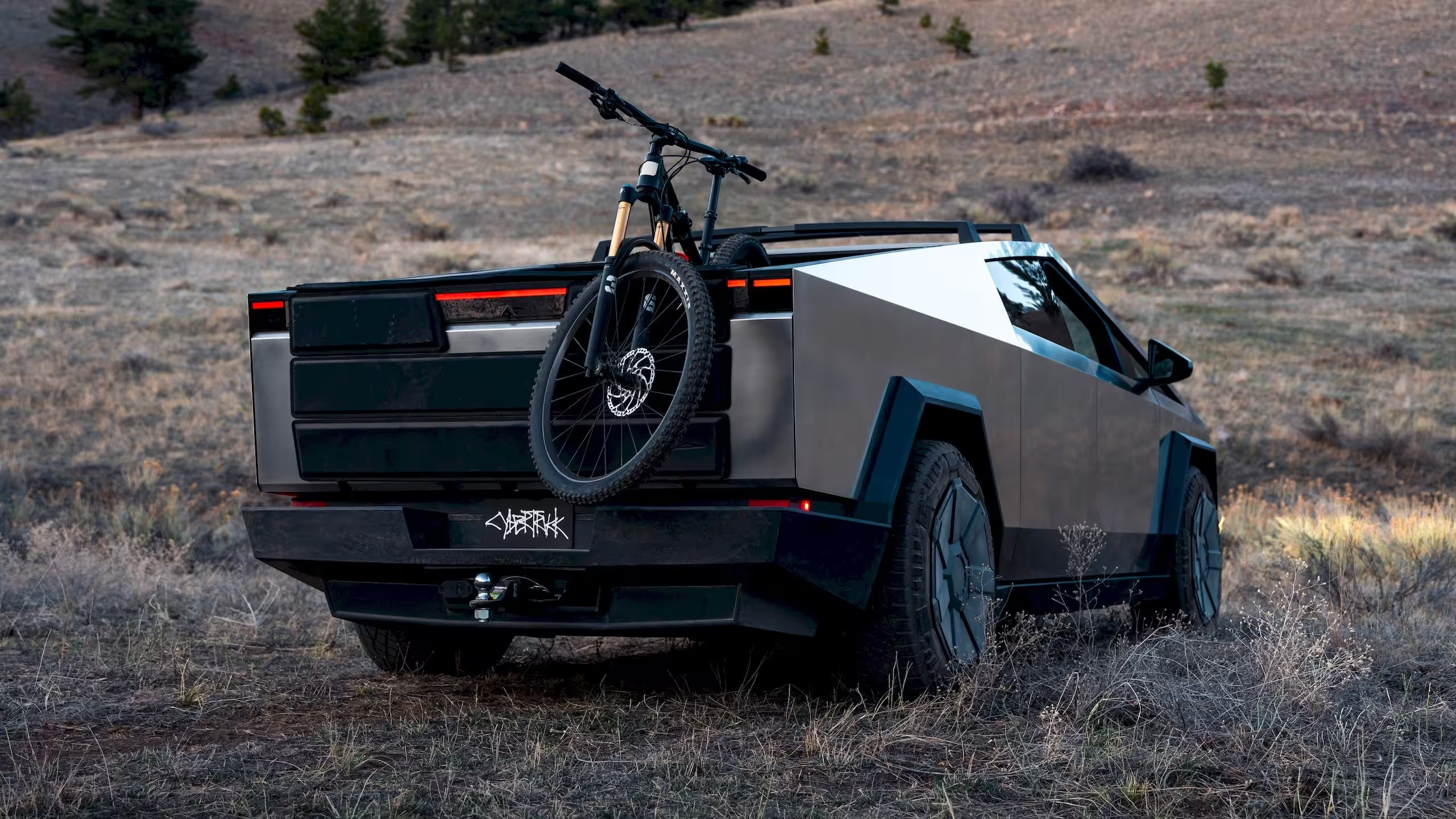
While moving inventory to affiliated companies and new regions can mask soft demand, it’s not a sustainable substitute for organic consumer uptake.
Where the numbers stand
Public estimates suggest fewer than 50,000 Cybertrucks have been sold since deliveries began in late 2023. Recent quarterly figures show sales essentially stalled, with industry trackers like Cox Automotive estimating only about 5,400 trucks sold in a recent quarter. Those rates leave the production line far below its design capacity and raise hard questions about the model’s long-term viability.
Why the Cybertruck has struggled
A combination of factors explains the uphill battle:
- Pricing and value mismatch: production prices ended up higher than the early promises that fueled reservations.
- Specs vs expectation: real-world range, performance and feature readiness disappointed some early buyers.
- Polarizing design: the look is iconic to some and alienating to others, limiting mainstream appeal.
- Brand and politics: controversies surrounding leadership affected some customers’ willingness to buy and keep the vehicle.
- Reputation and reliability: early quality issues and buybacks damaged confidence.
Can Tesla turn it around?
Short of a major redesign, recovery depends on several levers: meaningful price adjustments, verified reliability improvements, targeted marketing in new regions, and a clearer product roadmap (including variants). Tesla’s current signals suggest the company favors doubling down on the Cyber aesthetic rather than softening the look to chase mainstream truck buyers.
There’s still upside if Tesla can stabilize production quality and prove the truck’s real-world capabilities. For buyers who value novelty, utility and unique design, the Cybertruck remains an intriguing proposition. But for broader pickup-buying America — a conservative, brand‑loyal, dealer‑driven market — the truck faces an uphill climb.
Bottom line
At two years old, the Cybertruck is no longer a guaranteed hit. It’s an experiment in product design, brand positioning and market tolerance. If Tesla wants the Cybertruck to survive into a third year and beyond, it needs to convert headline-making deliveries into repeatable consumer demand — or accept that this bold EV will remain a niche, or even a cautionary tale, in its lineup.
"The Cybertruck proved Tesla can shock a market; now it must prove it can sustain one," one industry analyst commented. Whether Tesla will pivot, persist or pare back remains the story to watch in 2026 and beyond.

Leave a Comment
Comments (2)
Is this even true? 50k sold in 2 years sounds low but are estimates solid? Price and politics hurt, sure. idk
Wow, didnt expect the Cybertruck to fizzle like this. Early hype vs real product... oof. Buybacks, vandalism, price hikes, messy. Tesla needs a big fix, fast