
4 Minutes
CGI vision fuels debate while Nissan rethinks GT-R's future
The Nissan GT-R name carries legendary weight — from the Skyline GT-R icons to the long-running R35 that earned the 'Godzilla' nickname. But after nearly 18 years on sale, the R35's production finally wound down this summer, and the future of the badge is anything but certain.
Nissan originally intended the R36 to arrive as an all-electric halo model around 2030. Those plans are now being re-evaluated amid company turmoil and a market that hasn't adopted EVs as quickly as many automakers predicted. That leaves Nissan with a tricky balancing act: meet increasingly strict emissions rules in Europe and North America while satisfying enthusiasts who still crave internal-combustion character.
Enter the artists: a hybrid-inspired concept from CGI
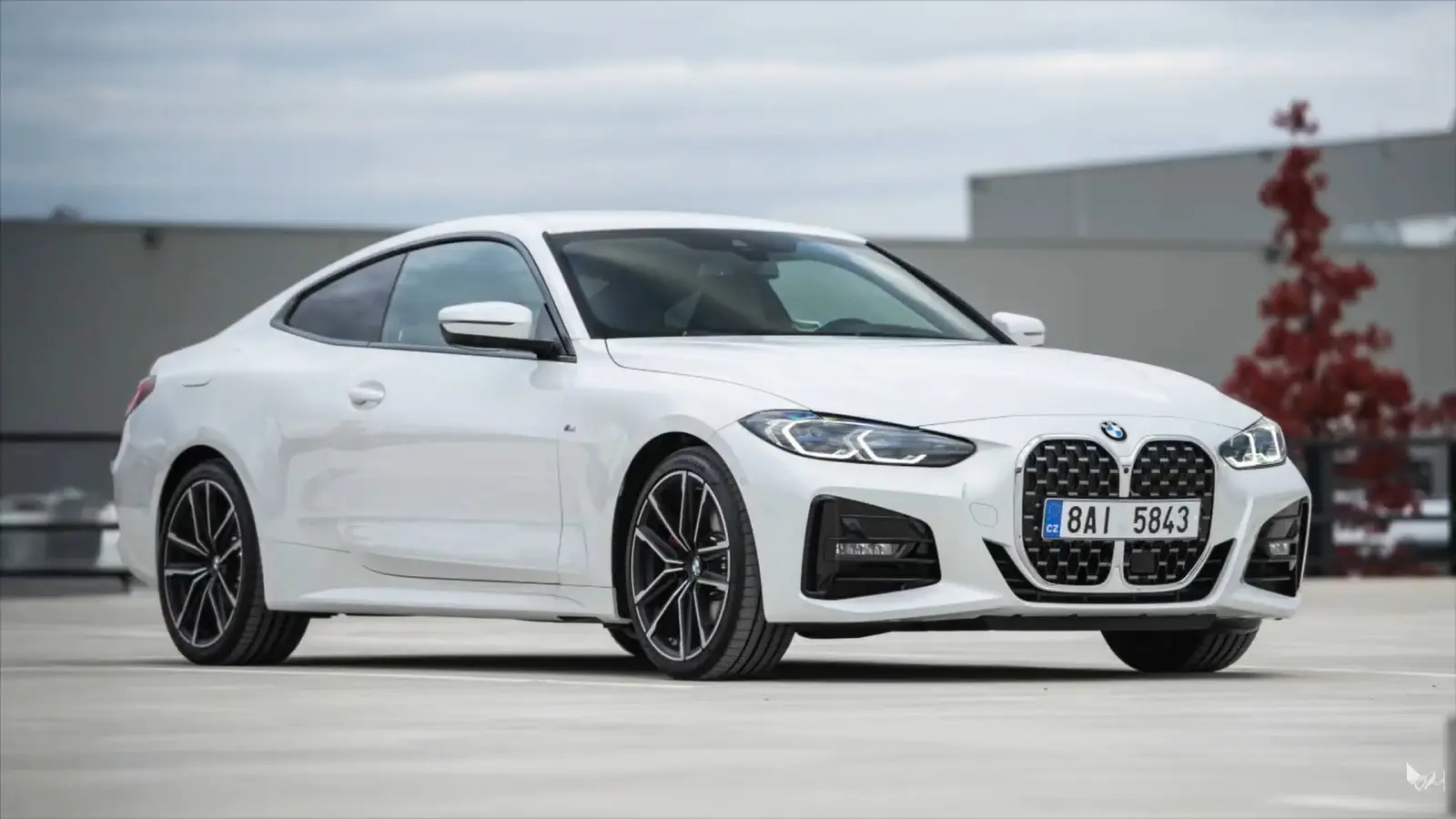
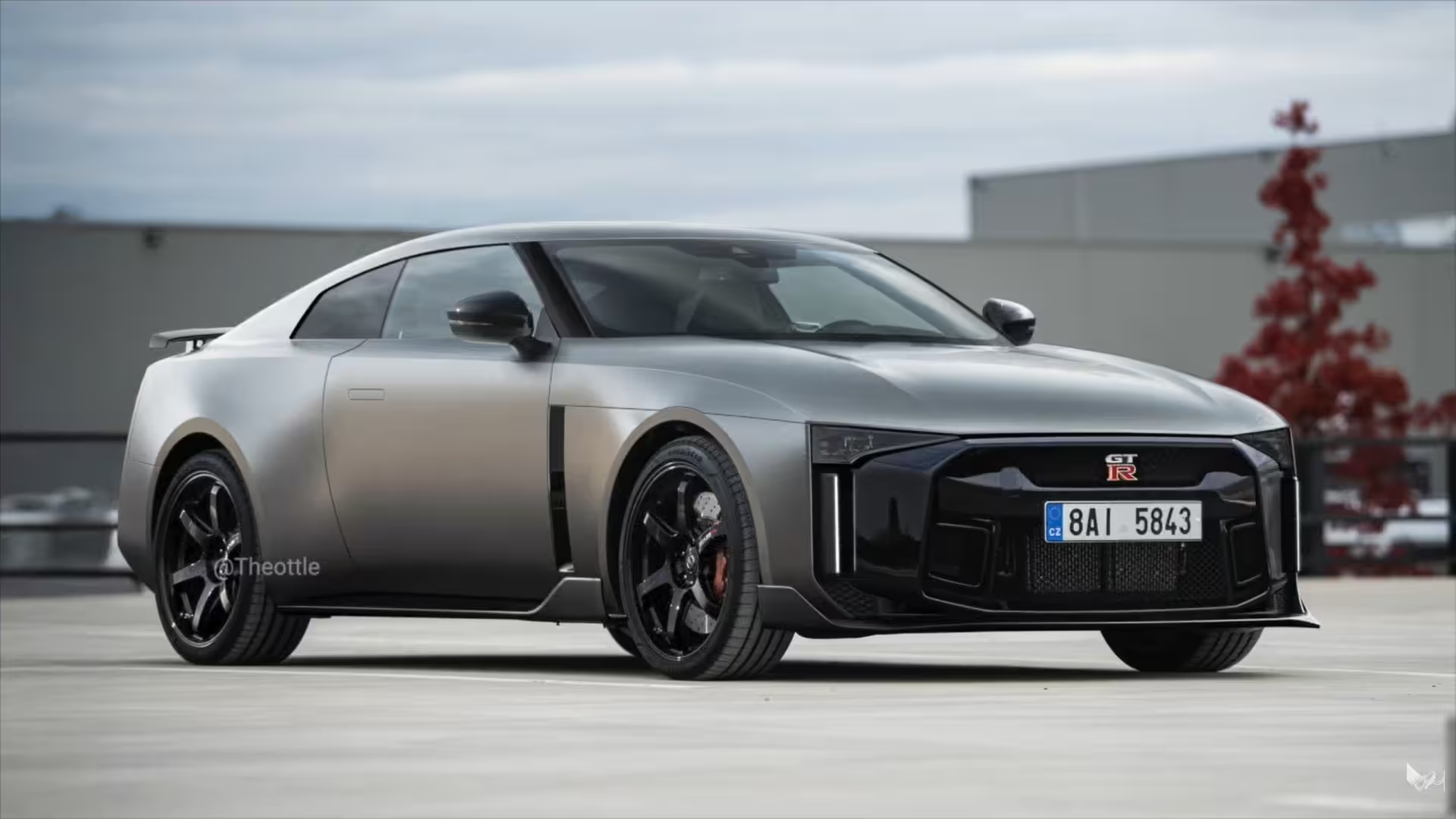
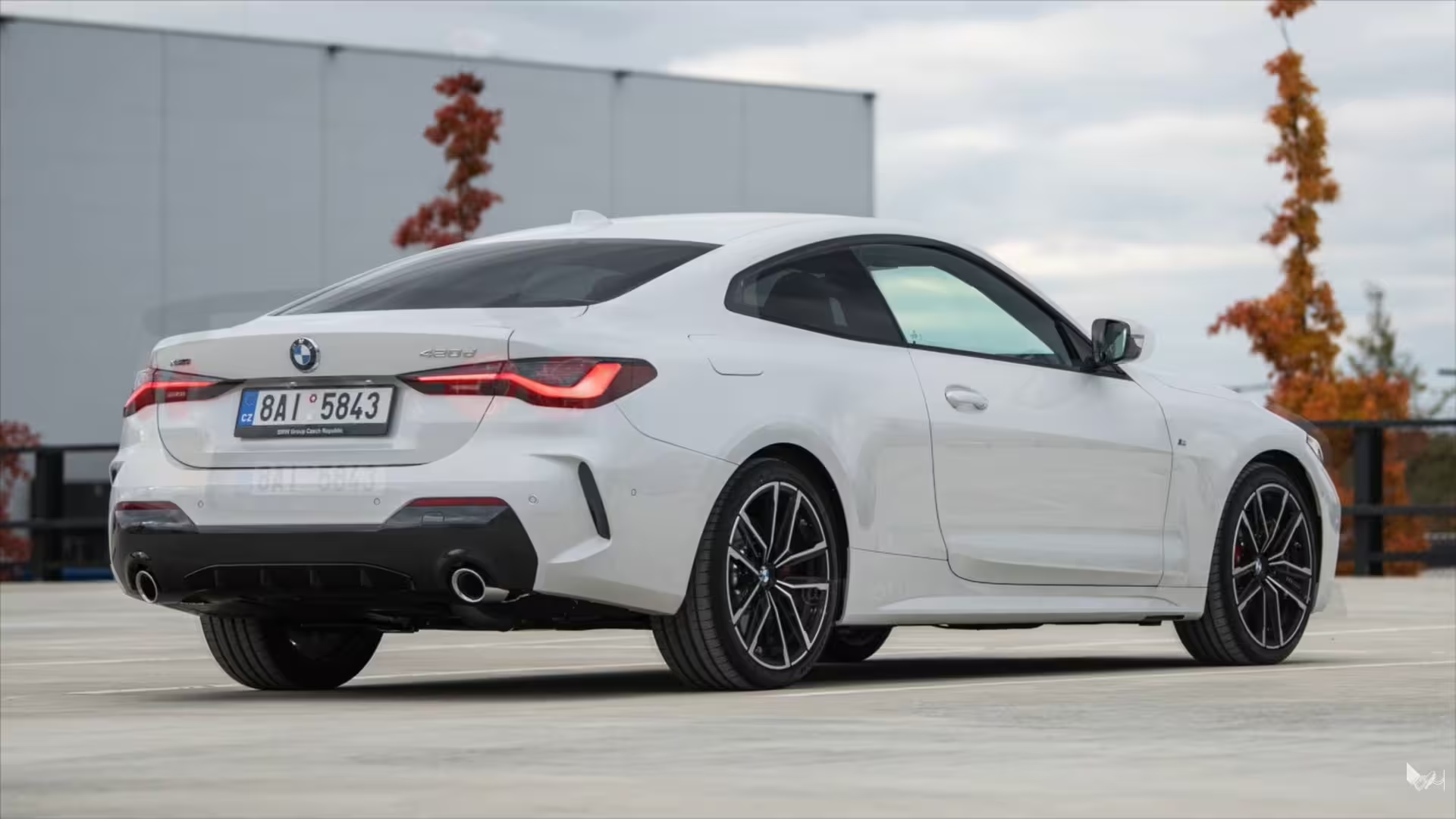
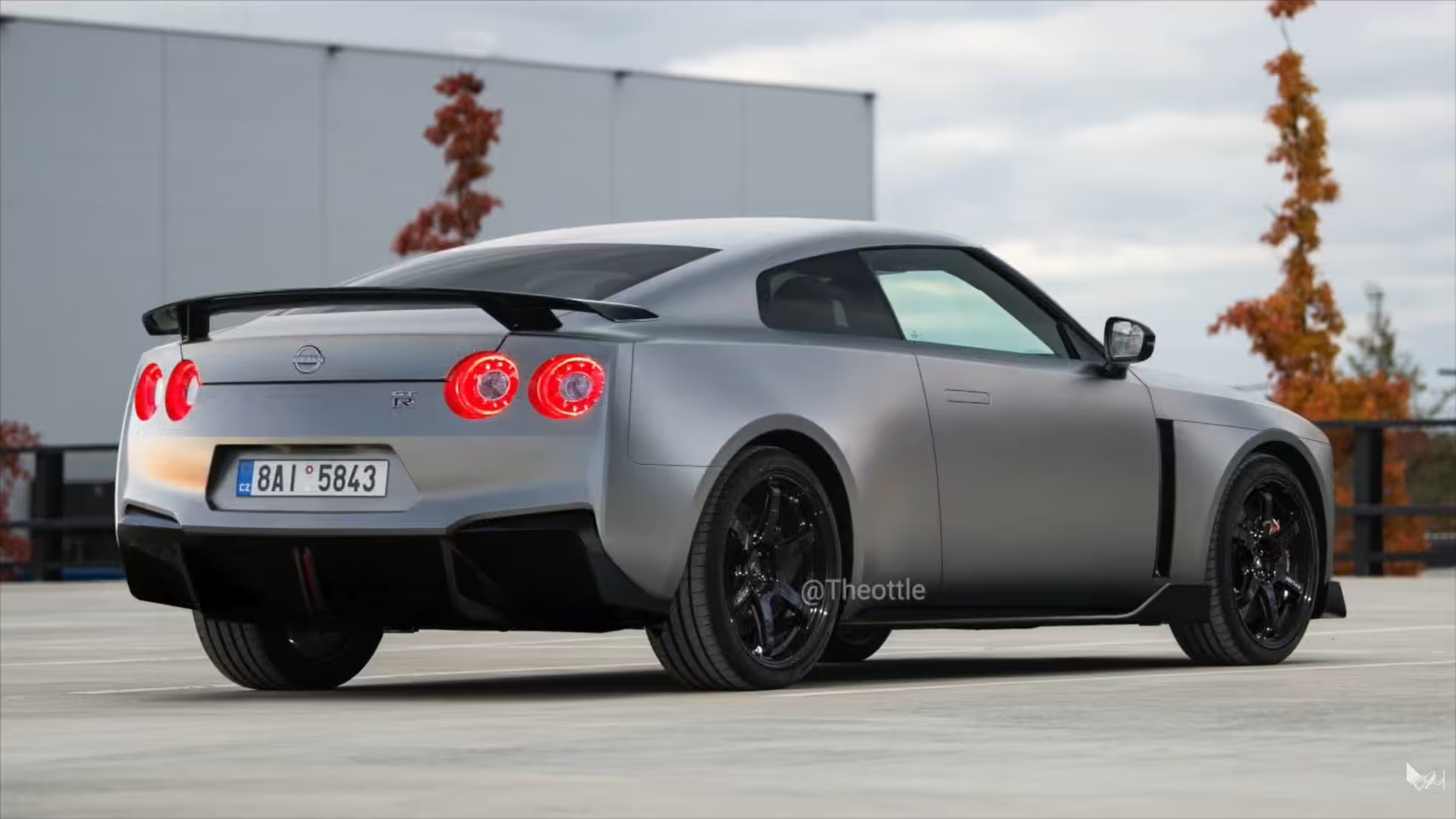
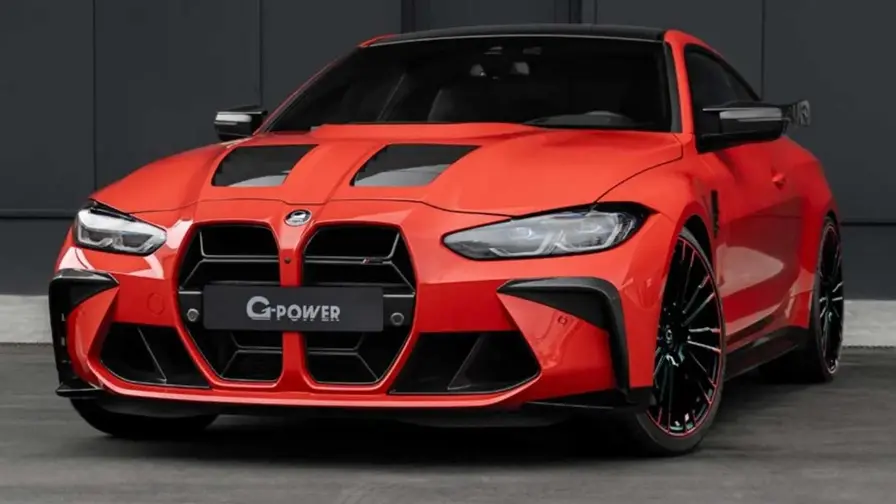
When corporate roadmaps get cloudy, digital creators step in. Renowned render artist 'Theottle' recently posted a behind-the-scenes video showing how he blended elements of a BMW 4 Series Coupe and the Audi Concept C to imagine an R36 GT-R for 2027–2028. The mashup offers a fresh silhouette and an aggressive front end, while the rear ties back to the R35's quad-light heritage.
'The renderings reflect my vision of what the electrified GT-R might become, balancing legacy and progress,' the artist says, suggesting a hybrid powertrain instead of pure electric drive.
Why a hybrid makes sense — and where it falls short
Automotive analysts and fans often point to hybridization as the pragmatic middle ground. A performance-oriented hybrid could:
- Retain the visceral throttle response and sound cues that enthusiasts adore.
- Deliver improved CO2 numbers to help meet regulatory targets.
- Offer a bridge while charging infrastructure and EV adoption mature.
But hybrids add complexity, weight, and cost. For a halo sports car like the GT-R, packaging batteries, electric motors, and a potent ICE while preserving chassis balance and driver engagement is no small feat. Nissan must weigh development cost, projected sales volume, and brand positioning: is the GT-R a raw driver’s car, a tech-forward electric GT, or an engineered hybrid compromise?
Design cues from renders vs. reality
Theottle's concept doesn’t mimic the bespoke GT-R50 by design house collaborations, nor does it slavishly copy the R35. Instead, it fuses contemporary coupe proportions with traditional GT-R hints: muscular haunches, a wide stance, and a rear treatment that nods to the four-round taillight motif. These digital renderings are valuable because they provoke conversation — and they help show how Nissan could modernize the GT-R's look while respecting its heritage.
Performance and market positioning — what to expect
If Nissan pursues a hybrid R36, possible technical directions include a downsized turbocharged engine paired with one or more electric motors — a setup that could target a combined output surpassing the peak figures of the R35 while improving efficiency. Another angle is a performance plug-in hybrid with limited electric-only range for urban compliance and a high-power mode for track use.
Comparisons are inevitable: buyers will measure any R36 against the R35's raw performance, newcomers like hybrid sports cars from rival marques, and full-EV supercar benchmarks. Pricing and exclusivity will be key: does Nissan position the R36 as a halo GT with limited production, or a volume sports grand tourer?
Community reaction and the bigger picture
Fans are split. Some welcome a hybrid that preserves engine character; others want a fully electric reinvention that signals a clean, high-tech future. The CG community continues to fill the void left by official silence, producing renders that influence public expectation and even designers.
Quote: 'A GT-R must feel visceral — not just fast on paper,' one enthusiast summarized in reaction to the render.
- Key takeaway: The R36's fate hinges on Nissan's strategy, regulations, and customer demand.
- Render impact: CGI concepts like Theottle's shape perception but aren't blueprints.
- Most likely path: A hybrid halo model is plausible if Nissan wants to keep GT-R's spirit while meeting emissions rules.
For now, the R36 remains unofficial. Until Nissan confirms powertrain and production plans, digital artists and enthusiasts will keep imagining the next chapter — and debating whether the GT-R should evolve into a hybrid compromise or leap to full electrification.

Leave a Comment
Comments (2)
Is Nissan really going hybrid without killing the balance? Batteries, weight, cost, sounds messy. If that's real then good luck to the engineers.
Honestly still want that raw GT-R howl. A hybrid could work if they keep engine soul, not a bloated GT cruiser. CGI looks tasty tho, but will it drive like a GT-R?