
3 Minutes
Why Ford asks GTD buyers to hold off driving for 30 days
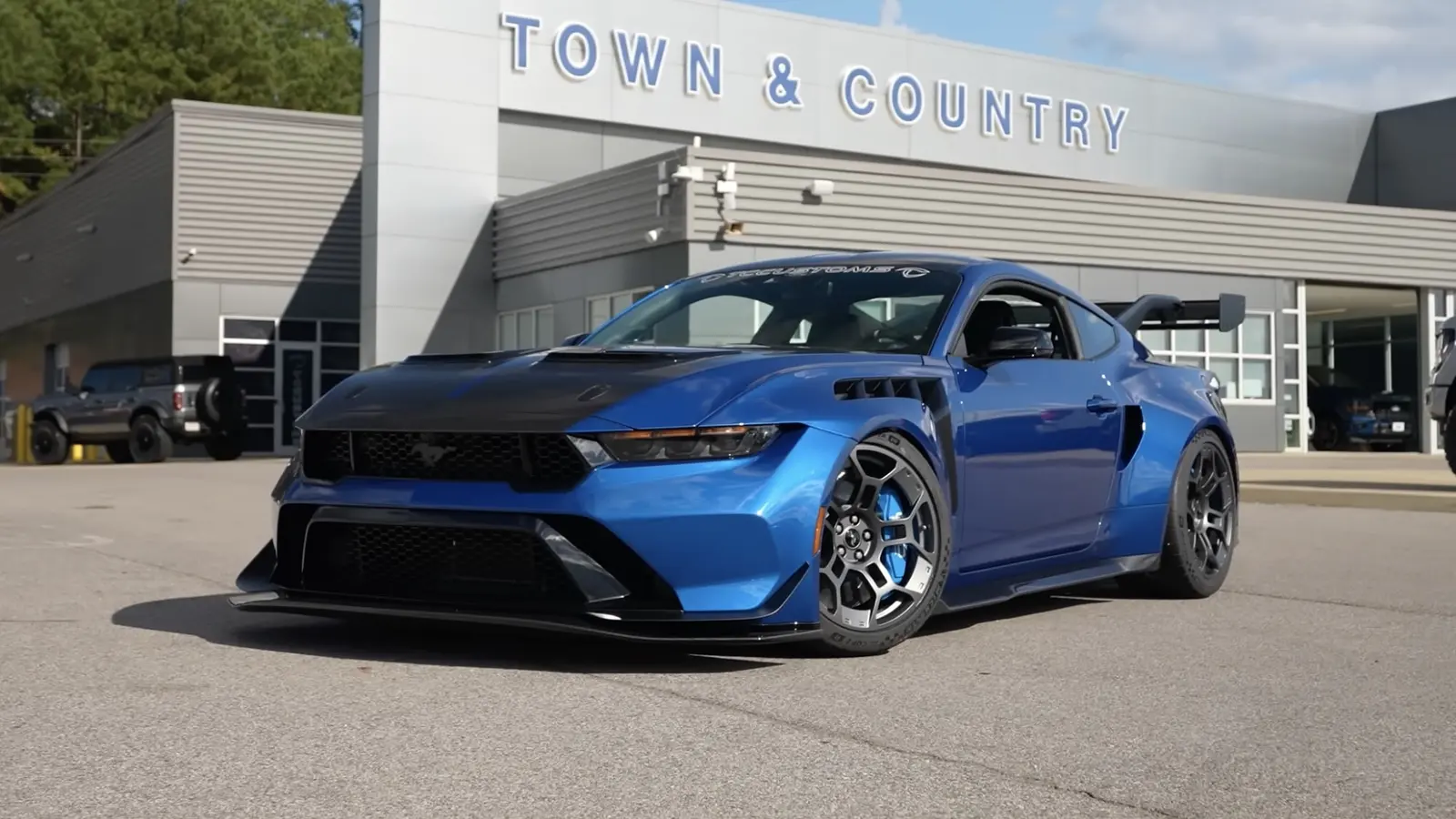
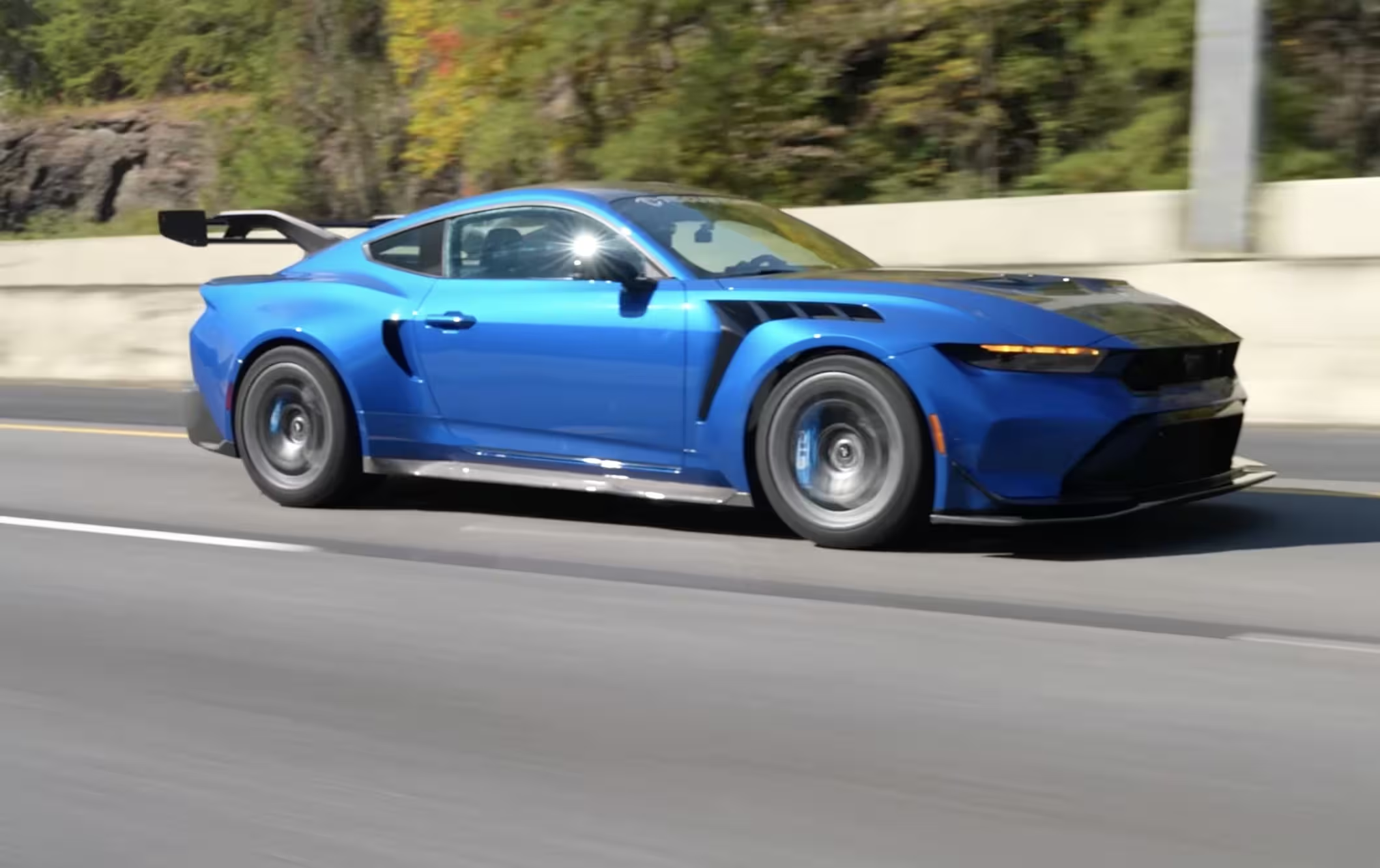
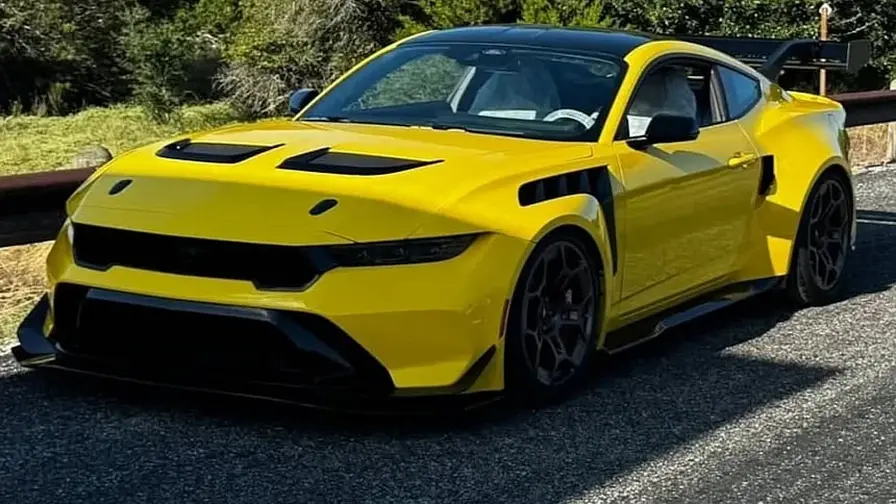
Getting a brand-new Mustang GTD delivered is the dream for many enthusiasts — then you discover Ford recommends sitting on your key for the first 30 days. That’s a tough pill to swallow after waiting months (and spending upward of $325,000), but the instruction is deliberate: Ford wants the factory paint to fully "gas out" and cure before installers apply paint protection film (PPF).
What does "gassing out" mean?
New automotive paint continues to off-gas solvents and uncured compounds after it leaves the factory. Applying a protective film too early can trap those vapors under the PPF, leading to adhesion problems, discoloration, or blemishes. For a carbon-fiber-bodied, high-value car like the Mustang GTD, the risk is worth avoiding.
Paint protection is not optional for the GTD
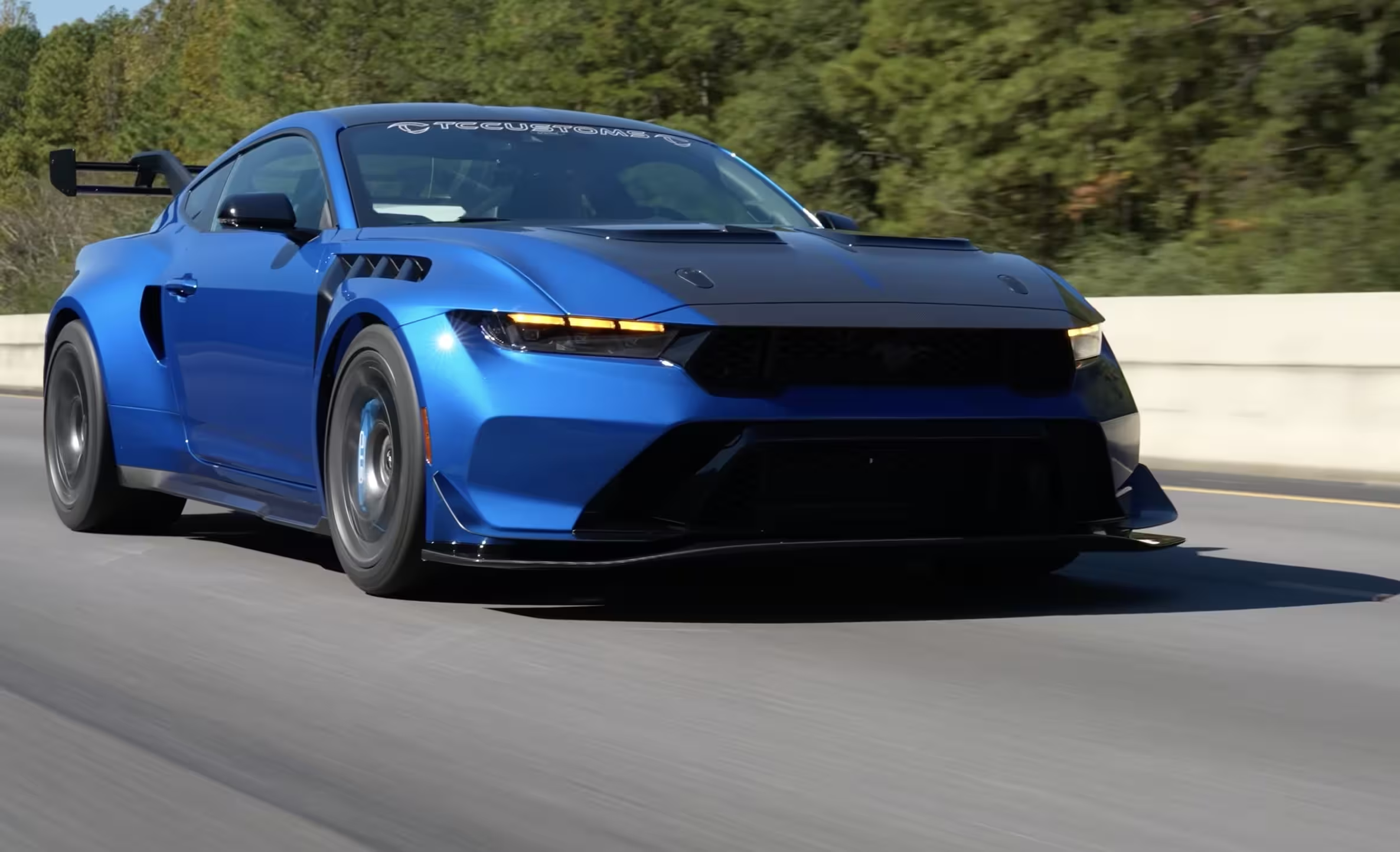
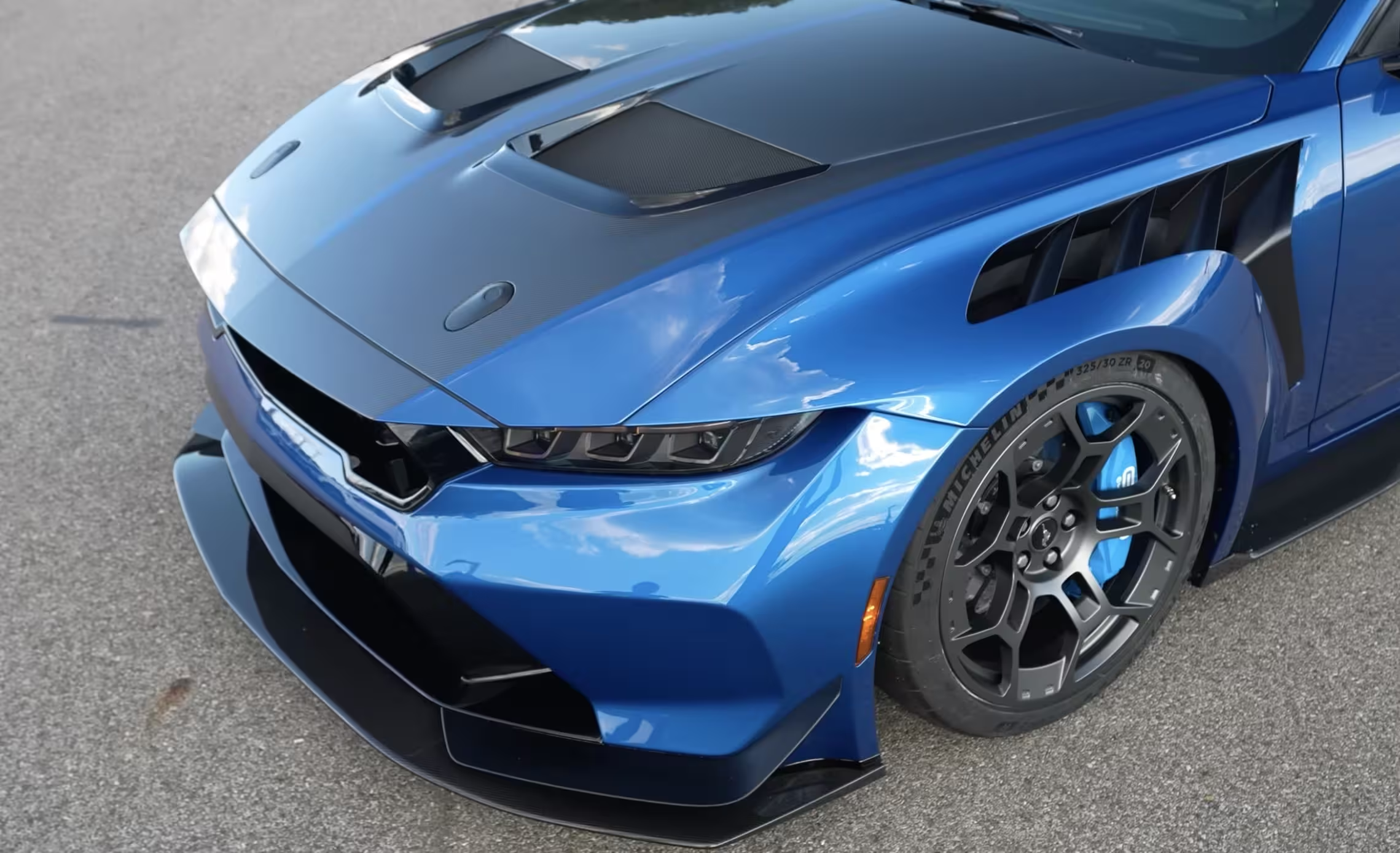
The GTD’s aggressive aero and ultra-wide Michelin Pilot Sport Cup 2 tires make it especially vulnerable to stone chips and abrasion. Owners are advised to protect high-exposure areas—fenders, rocker panels, rear quarters and the diffuser—sometimes with overlapping or double-layer coverage. At these speeds and with that tire setup, small road debris can quickly ruin a finish.
These are the key protection points most shops focus on:
- Front fenders and bumper
- Rocker panels and sills
- Rear quarters and wheel arches
- Rear diffuser and rear-facing surfaces
"If you’ve paid six figures for a car, a few weeks of patience is cheap insurance."
Owner behavior: patience vs. impulse
Not everyone follows the guidance. Waiting months for delivery and then letting the car sit unused is a test of will—especially for collectors who live to drive. High-profile owners like Jay Leno are unlikely to worry: with large private facilities and professional detailing teams, they can have PPF applied immediately or correct any early issues without the worry most private owners face.
Performance and engineering: why the GTD is special
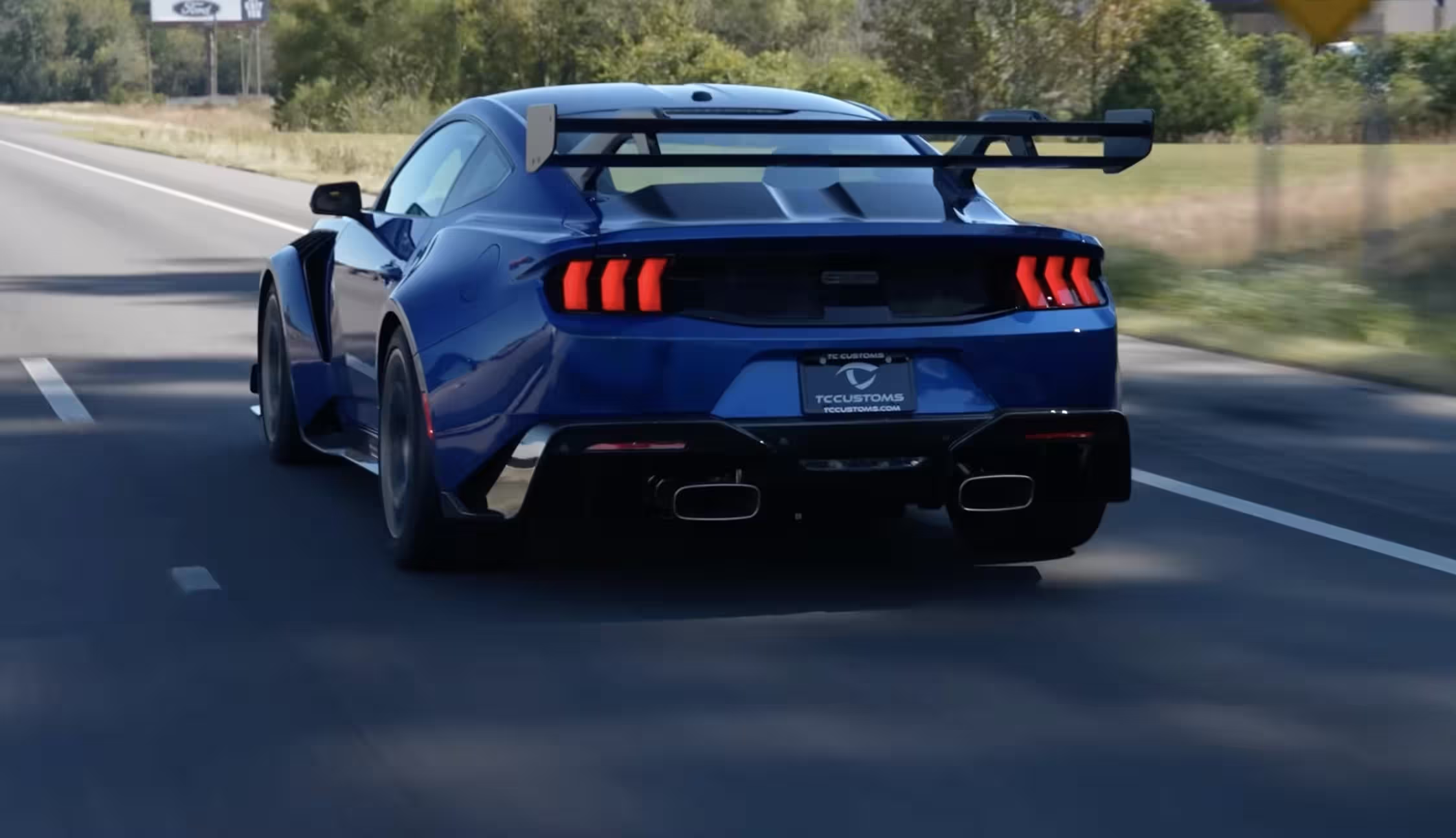
Beyond the paint concern, the Mustang GTD is marketed as one of the most extreme modern muscle cars. It’s powered by a 5.2-liter supercharged V8 tuned to about 815 horsepower — a figure that outclasses some competitors like the 670-hp Charger Daytona Scat Pack. That power lets the GTD sprint 0–60 mph in roughly 3.0 seconds, run the quarter-mile in about 10.6 seconds (exit ~133 mph) and reach an electronically limited top speed near 200 mph. It even posted an impressive 6:52.072 Nürburgring lap.
Those numbers explain why owners are advised to protect the bodywork: high speed plus wide sticky tires equals an elevated chance of strike damage from kicked-up stones.
Market context: muscle car identity in 2025
There’s a bigger conversation about what defines a muscle car in today's market — internal combustion brute force versus electric torque. The GTD keeps the classic recipe: a large-displacement, supercharged V8 paired to race-focused aero and chassis upgrades. Even as rivals flirt with electrification, the GTD’s approach is unapologetically analogue.
Final takeaway
For most owners, Ford’s 30-day recommendation is sensible risk management. Apply PPF after the paint stabilizes and enjoy the GTD the way it was intended — fast, loud and protected. If you can’t stomach the wait, make sure your installer is experienced with outgassing-sensitive films and specifically familiar with carbon-fiber panels and high-performance tire debris patterns.
Highlights:
- Reason to wait: paint must "gas out" before PPF application.
- Protection focus: fenders, rocker panels, rear quarters, diffuser.
- GTD specs: 5.2L supercharged V8, ~815 hp, 0–60 in ~3.0 s, 200 mph top speed.












Leave a Comment
Comments
No comments yet. Be the first.