
3 Minutes
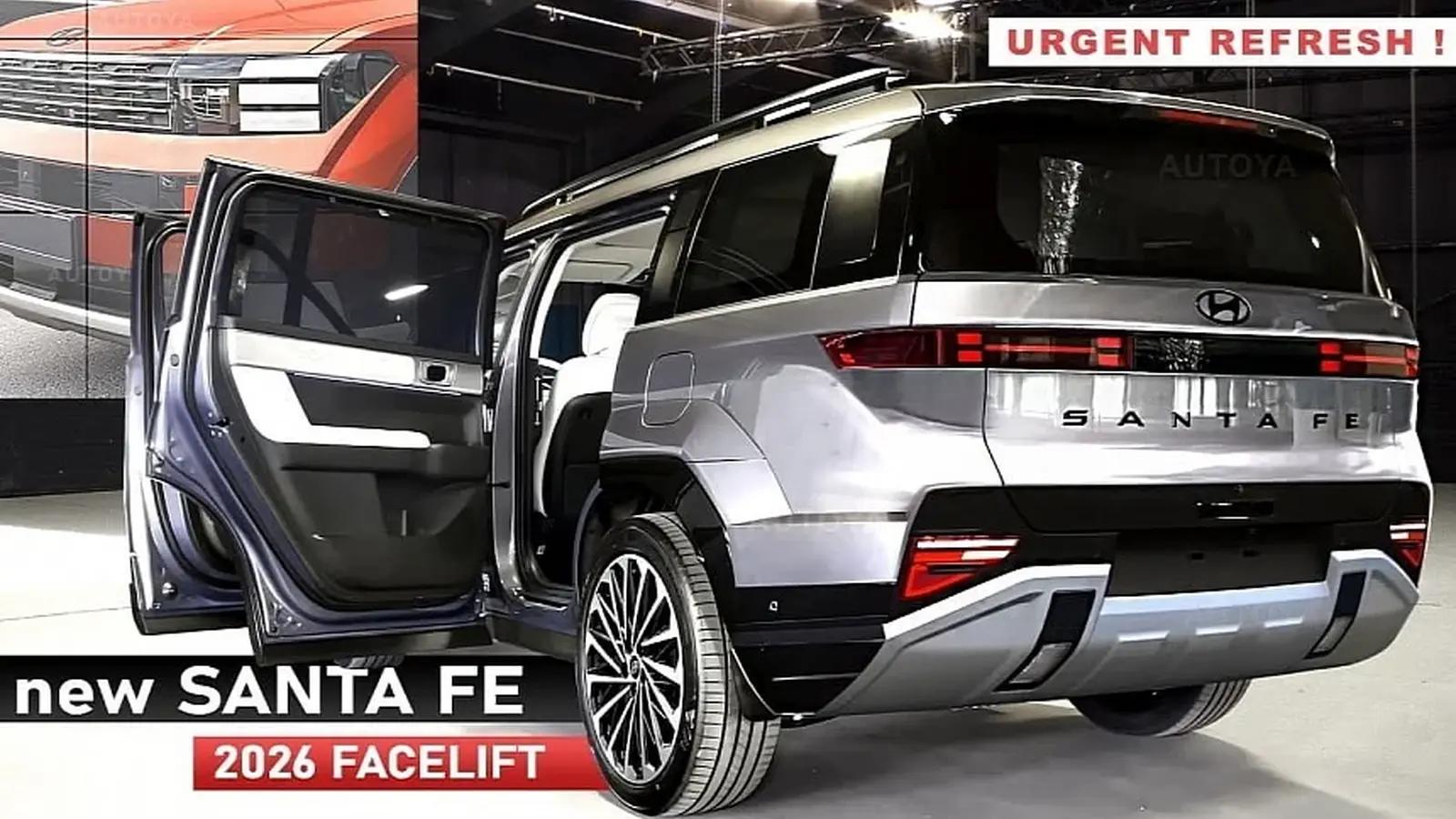
Artists at AutoYa have reimagined the Hyundai Santa Fe for 2027, producing a detailed CGI mid-cycle refresh that swaps the SUV's controversial styling for a sleeker, more upscale look. The virtual makeover focuses on revised lighting, a redesigned grille and bumper, and subtle cabin updates — but how much of this belongs to fantasy and how much could influence real engineering? 7 photosPhoto: Screenshot Youtube | AutoYa
What the CGI changes — and why they stand out
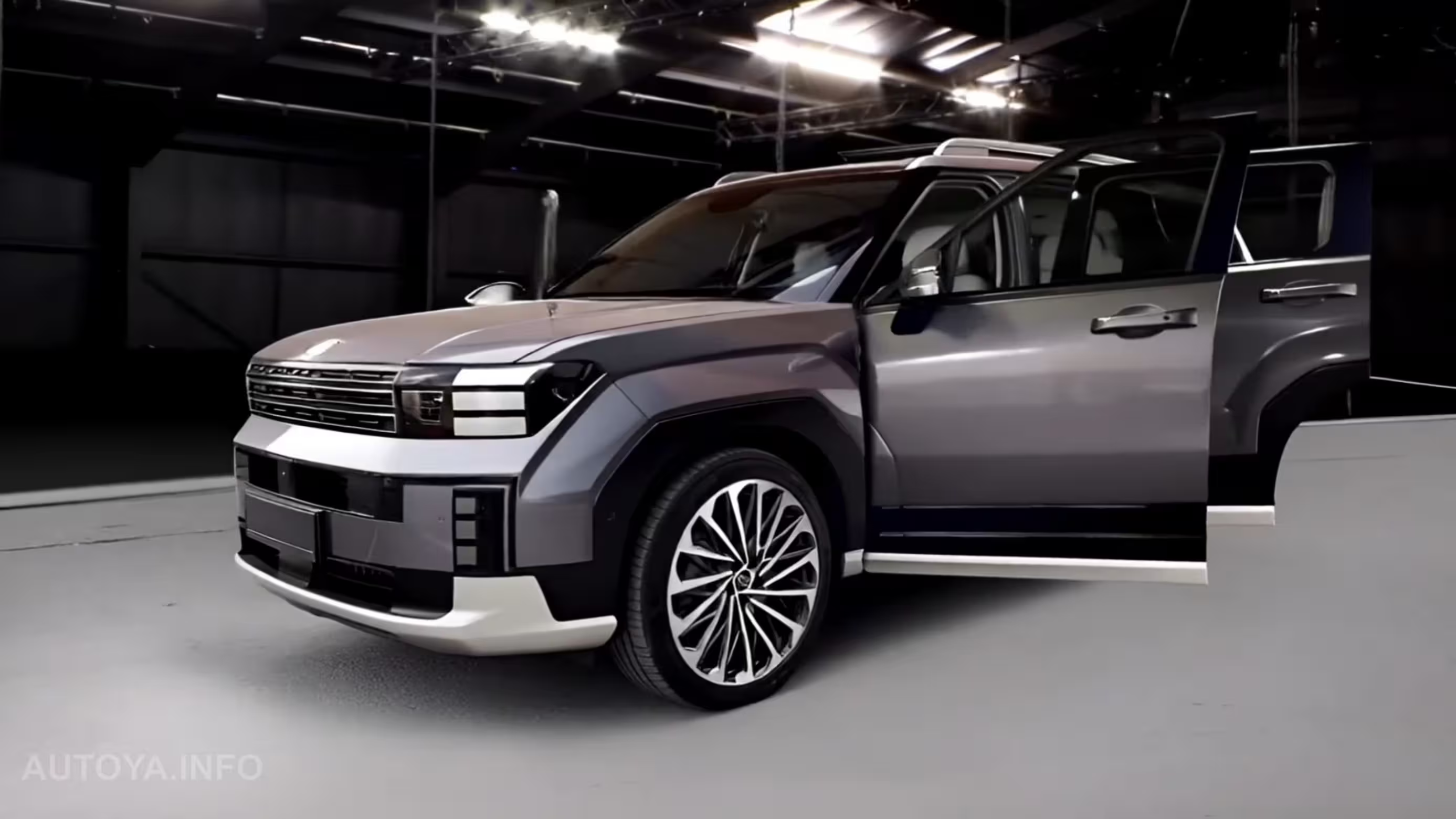
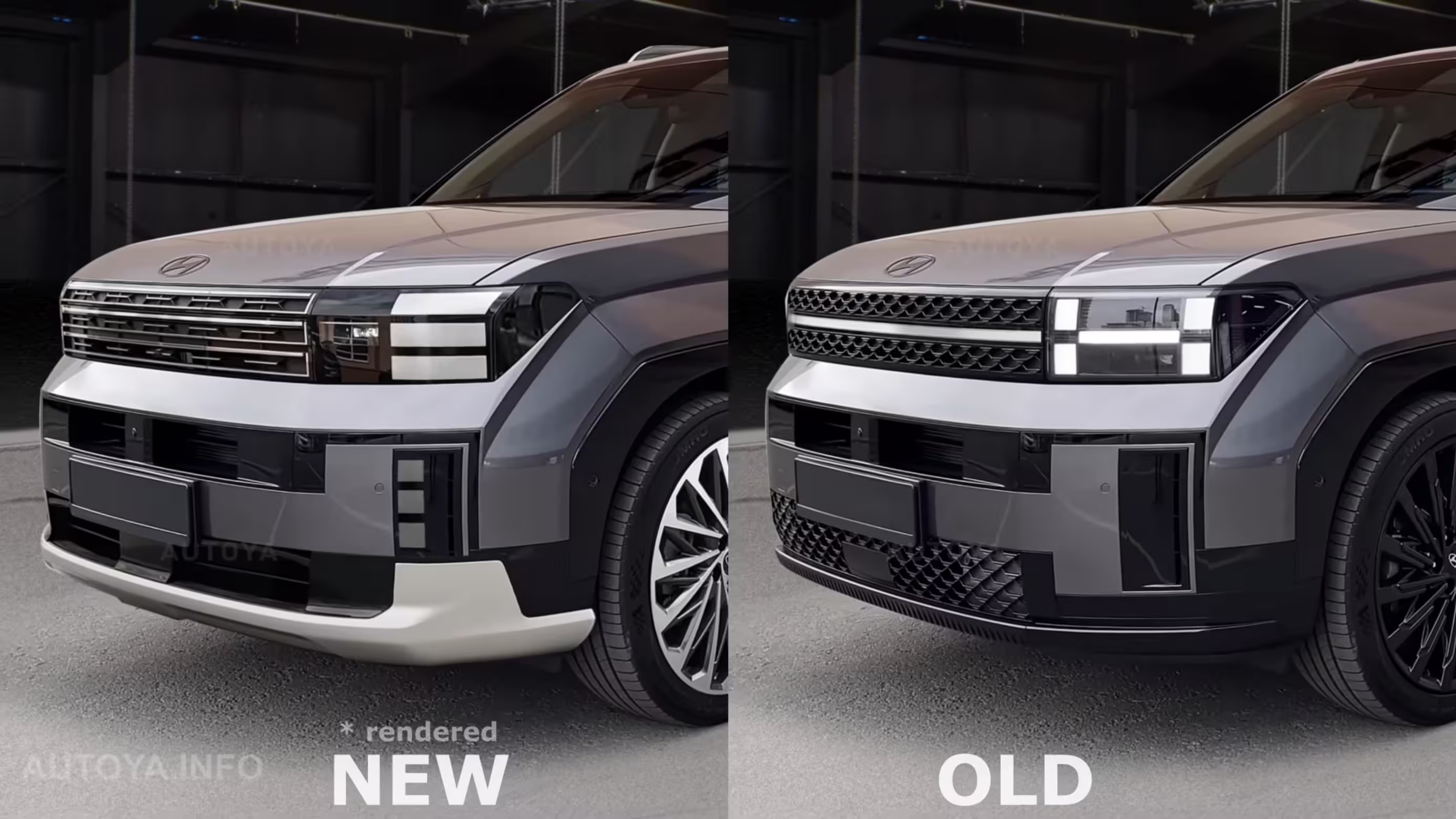
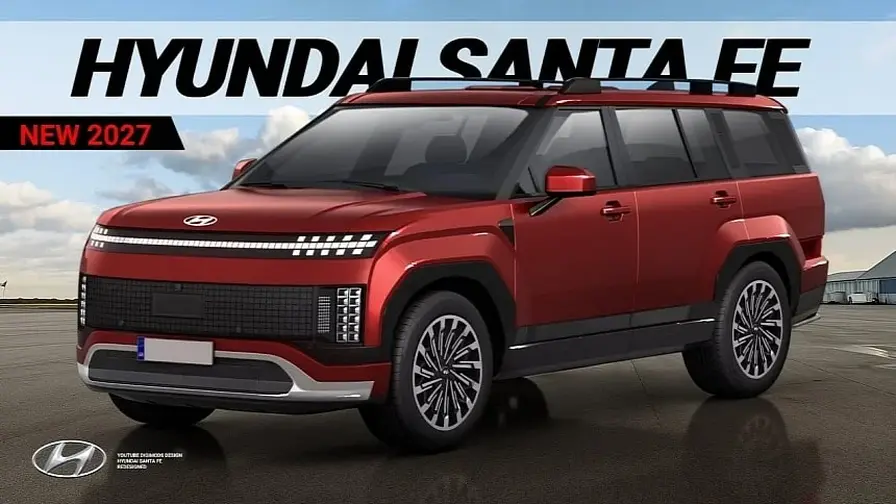
The render strips away the Santa Fe's distinctive H-shaped daytime running lights in favor of a front end inspired by Hyundai's larger Palisade. The grille takes on a more refined pattern and the bumper lines are cleaner, giving the face a less busy, more premium appearance.
Exterior highlights
- New front fascia that ditches the H-shaped lighting for slimmer, Palisade-inspired lamps.
- Revised grille with a more elegant fill and simplified bumper details.
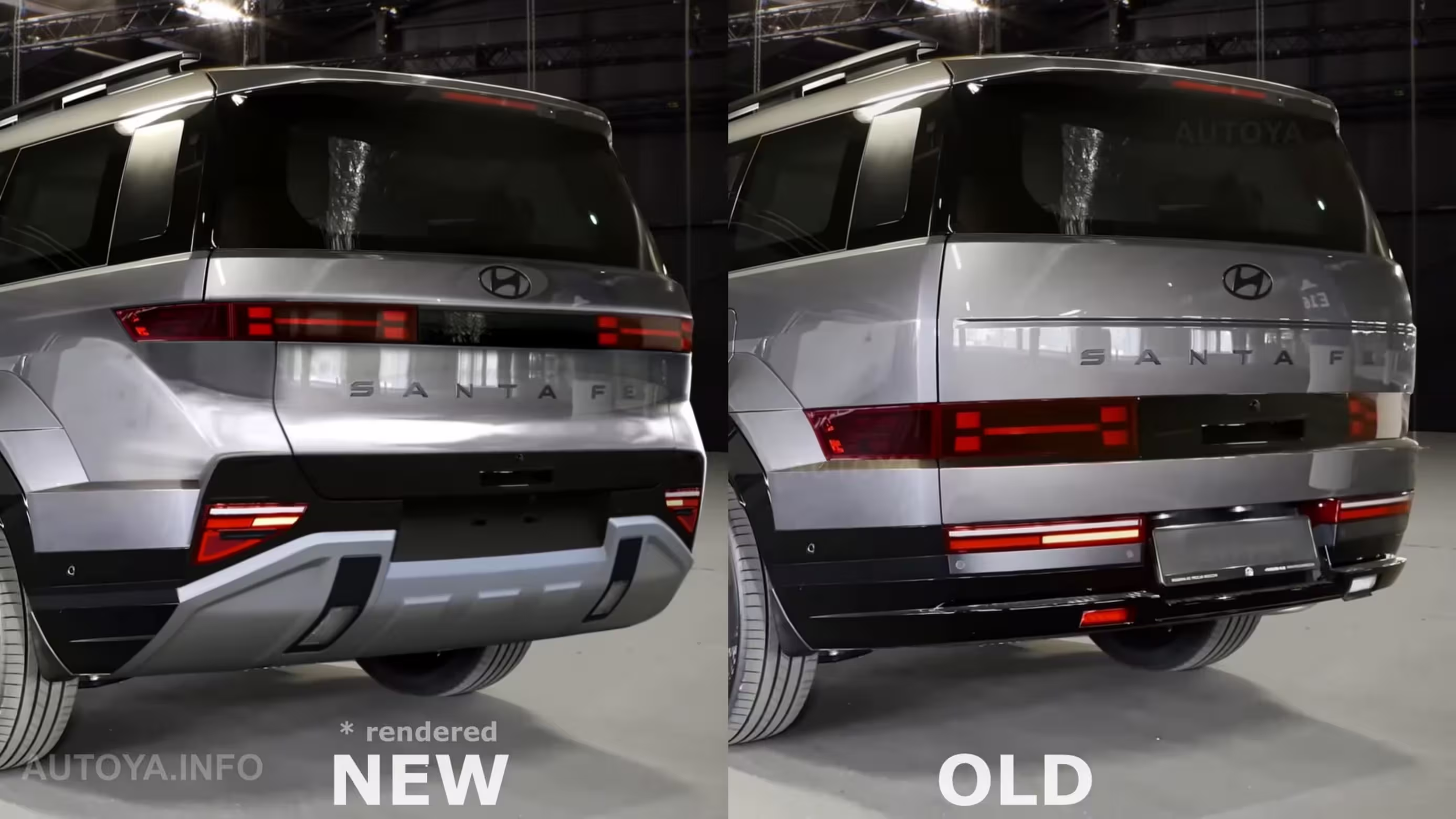
- At the rear, slimmer H-styled taillights are pushed closer to the rear windscreen, and the tailgate is softened for a more cohesive silhouette.
- Lower bumper features different reflectors and a skid plate-like trim piece that hints at crossover ruggedness.
Inside the cabin: small changes, big first impression
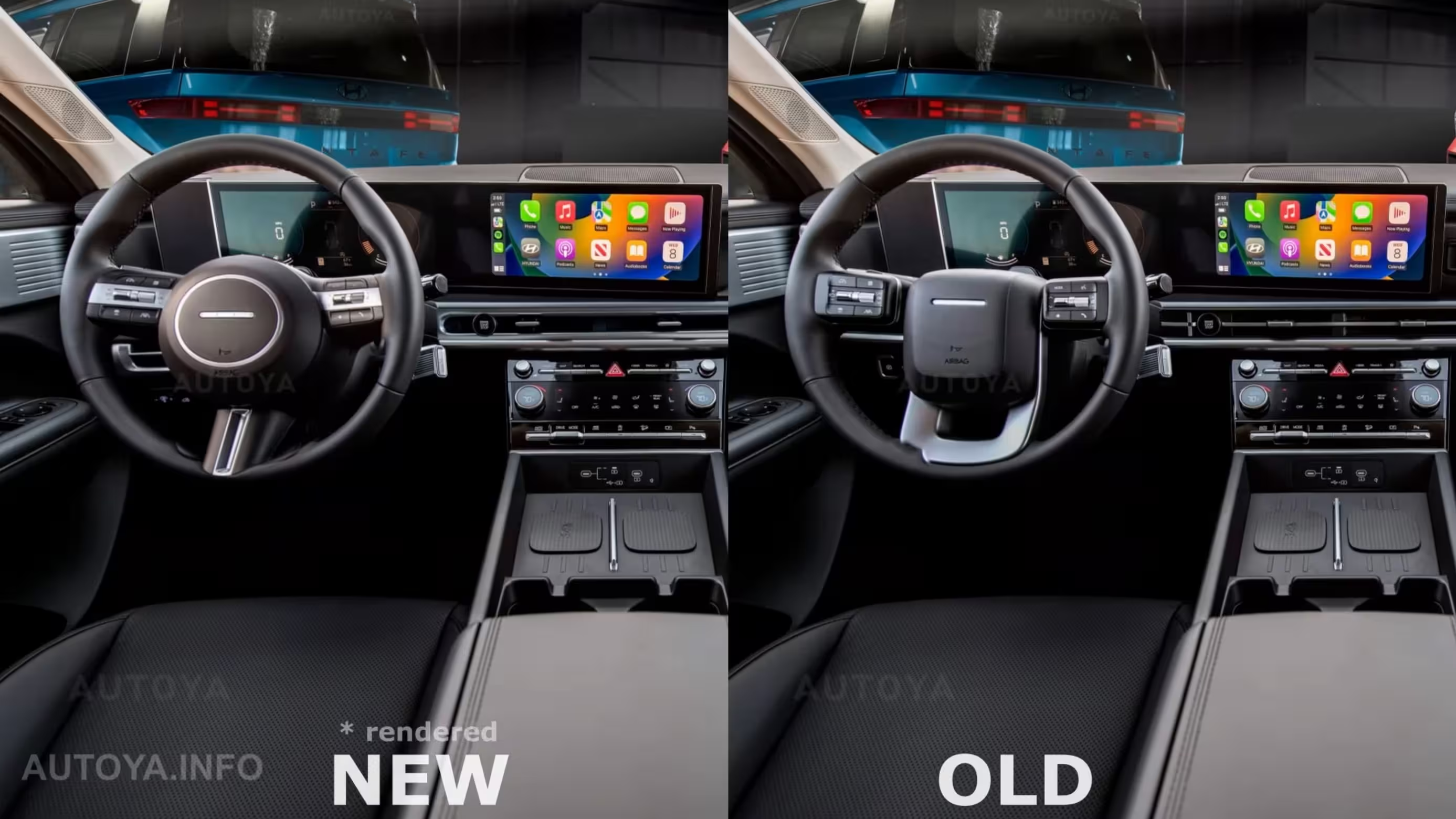
Unlike many renders that stop at the sheetmetal, AutoYa imagines a modestly updated cockpit. Expect slimmer center air vents and a reworked steering wheel profile — changes that could improve perceived quality without altering the Santa Fe's basic architecture.
Design vs. engineering: why renders are both useful and misleading
CGI models are powerful tools in automotive communication. They show how styling tweaks can alter consumer perception, and they help designers explore visual alternatives before metal and molds are committed. But renderings rarely account for structural requirements, crash safety, packaging of hardware, or thermal management. Aerodynamics, for instance, are a measurable field: designers run computational fluid dynamics (CFD) simulations to validate grille openings, bumper shapes and underbody trays. A visually appealing design in a render still needs engineering validation to meet performance, safety and regulatory targets.
In short: renders can inspire public debate and shape brand anticipation, but they are not blueprints. They blend artistic license with plausible cues from a manufacturer's current design language.
Reality check: pricing, trims and corporate plans
Hyundai currently lists the Santa Fe as a 2026 model in the United States. The gasoline-powered lineup spans five trims, beginning at about $34,800 for the base SE and topping out near $47,350 for the Calligraphy. Hybrid versions are offered in SE, SEL, Limited and Calligraphy trims, with pricing roughly between $36,150 and $48,450. Hyundai has not announced any production update that mirrors this CGI, and company communications suggest there is no immediate mid-cycle redesign planned.
Meanwhile, the real-world Santa Fe has faced recalls, a reminder that production vehicles must balance design with long-term reliability and safety — variables that a fantasy render doesn't need to solve.
Why this matters to buyers and enthusiasts
Renderings like this one influence buyer expectations and the broader conversation about a model's desirability. They also showcase how digital tools and photorealistic rendering shape modern automotive storytelling. For shoppers, the takeaway is practical: admire the concepts, but make purchasing choices based on confirmed specs, local pricing and safety records.
Do you prefer the auto industry's current Santa Fe design, or does this CGI makeover win you over? Share your thoughts in the comments.

Leave a Comment
Comments
No comments yet. Be the first.