
3 Minutes
i30 N revival tipped for late 2026 or early 2027
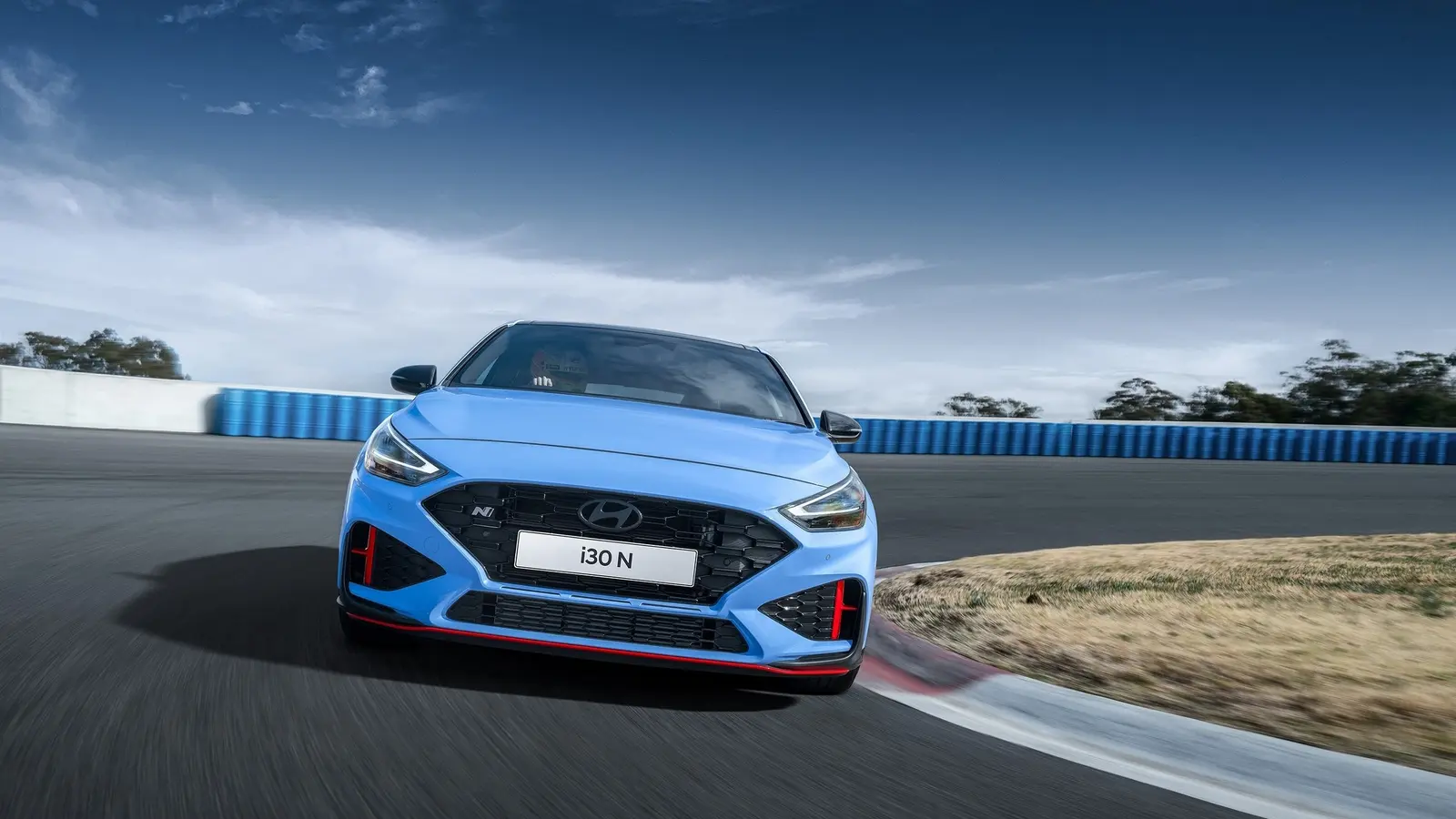
Hyundai's iconic hot hatch, the i30 N, looks poised for a comeback. According to an industry insider speaking to Autocar, Hyundai could reintroduce the performance-focused model around late 2026 or early 2027 — potentially with hybrid assistance added to the mix. The Korean brand has declined to confirm details, but the report fits into Hyundai's broader plan to expand the N lineup to seven models by 2030.
Why a return makes sense
The decision would be logical on several fronts. The i30 is scheduled to receive another mid-life update, and demand for internal combustion performance hatchbacks in Europe remains healthy. Recent moves by European regulators to soften the 2035 CO2 sales ban — including potential e-fuels exemptions and continued hybrid allowances — also open a regulatory window for hot hatches that use some degree of electrification.
Powertrain possibilities: turbocharged and hybrid
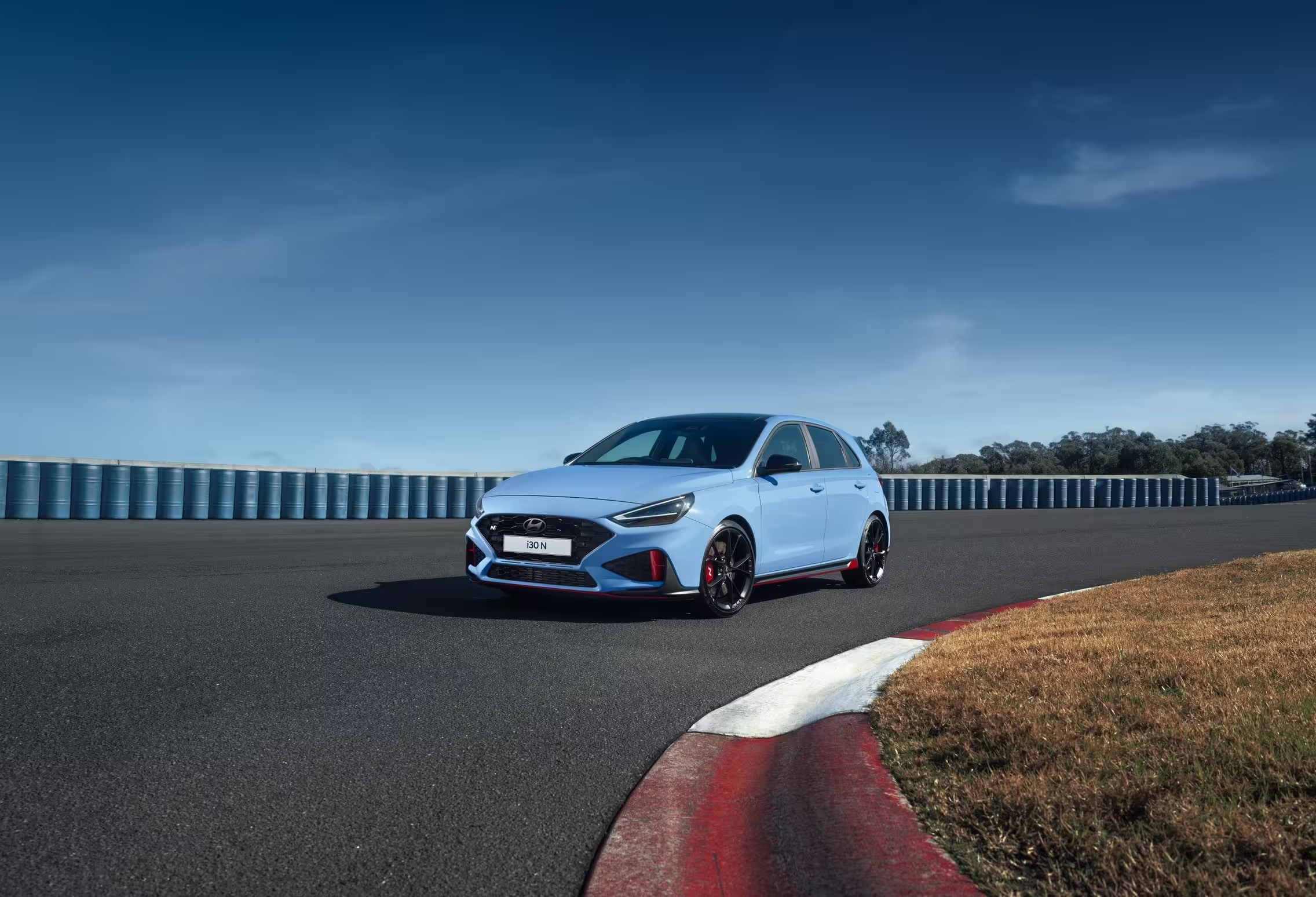
No definitive powertrain specs have been revealed, but educated speculation points to a pragmatic approach: retain a sub-2.0-liter turbocharged engine and add a mild or full hybrid system to improve emissions and efficiency. That strategy would protect the car from displacement-based tax penalties in many European markets while helping meet stricter emissions rules such as Euro 7.
Hyundai already offers a 2.0-liter turbo four-cylinder in the 2025 Australian-market i30 N. With updates, that engine could be tuned to comply with upcoming regulations and paired with electric assistance — either an e-motor for extra torque and better fuel economy or a mild-hybrid setup to improve low-end response and reduce CO2.
Market and taxation considerations
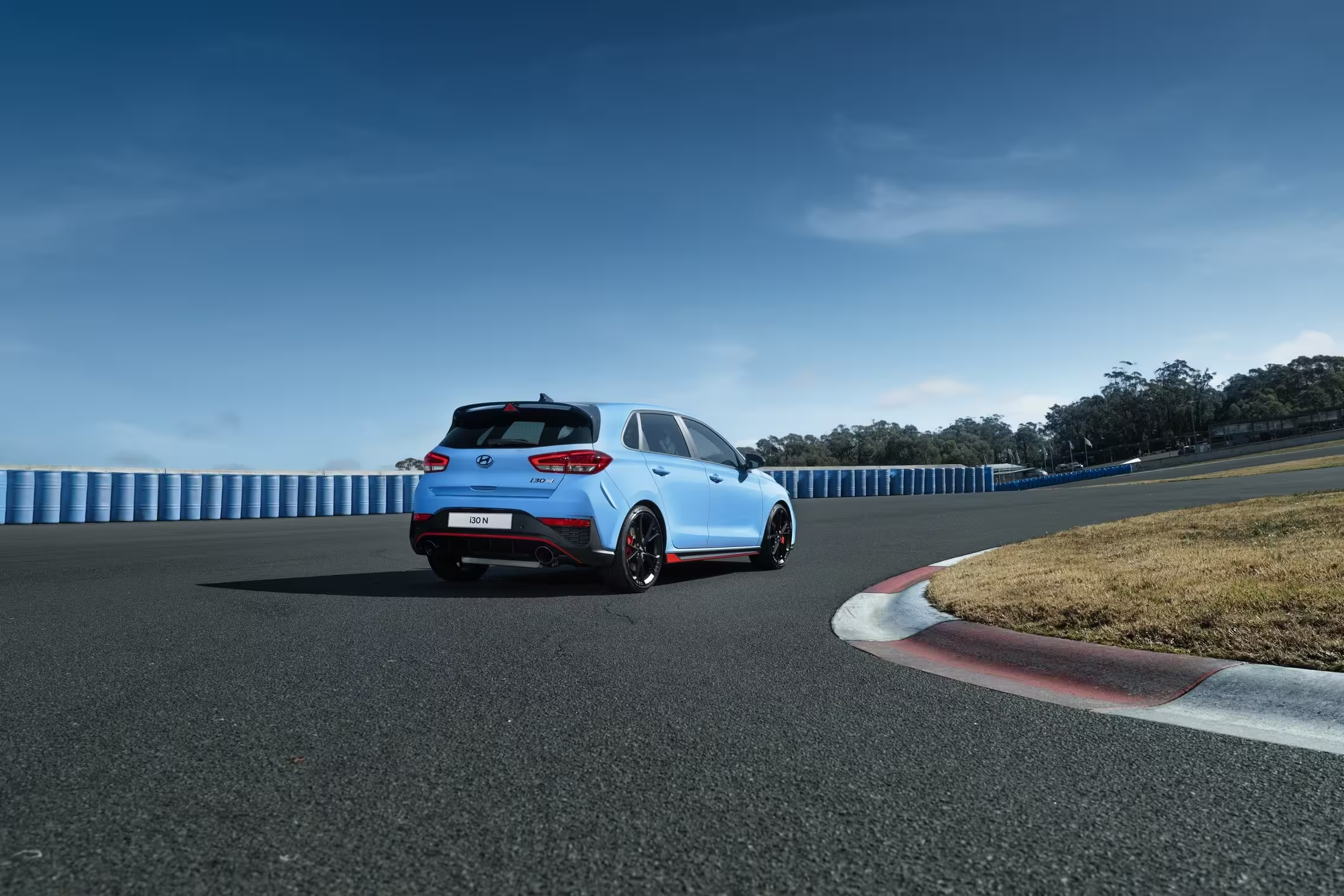
Tax regimes in Europe and the UK often penalize larger engines. Staying below a 2.0-litre displacement is therefore a pragmatic requirement if Hyundai intends to keep a pure performance hatch on sale in those regions. A hybridized 2.0 petrol turbo would allow the i30 N to retain the character enthusiasts expect while softening its environmental impact.

Heritage and variants: what the i30 N has been
When it was withdrawn from many European markets in early 2024 (alongside the i20 N), the i30 N had established itself with several notable versions:
- Base i30 N — the entry point with strong performance credentials.
- i30 N Performance — a higher-output, track-ready variant.
- Drive-N Limited Edition — cosmetic and exclusivity tweaks atop the Performance model.
- i30 N Project C — the most extreme and limited version, with 600 units for Europe, CFRP aero parts, forged OZ wheels, Sabelt buckets, and aluminum rear suspension knuckles.
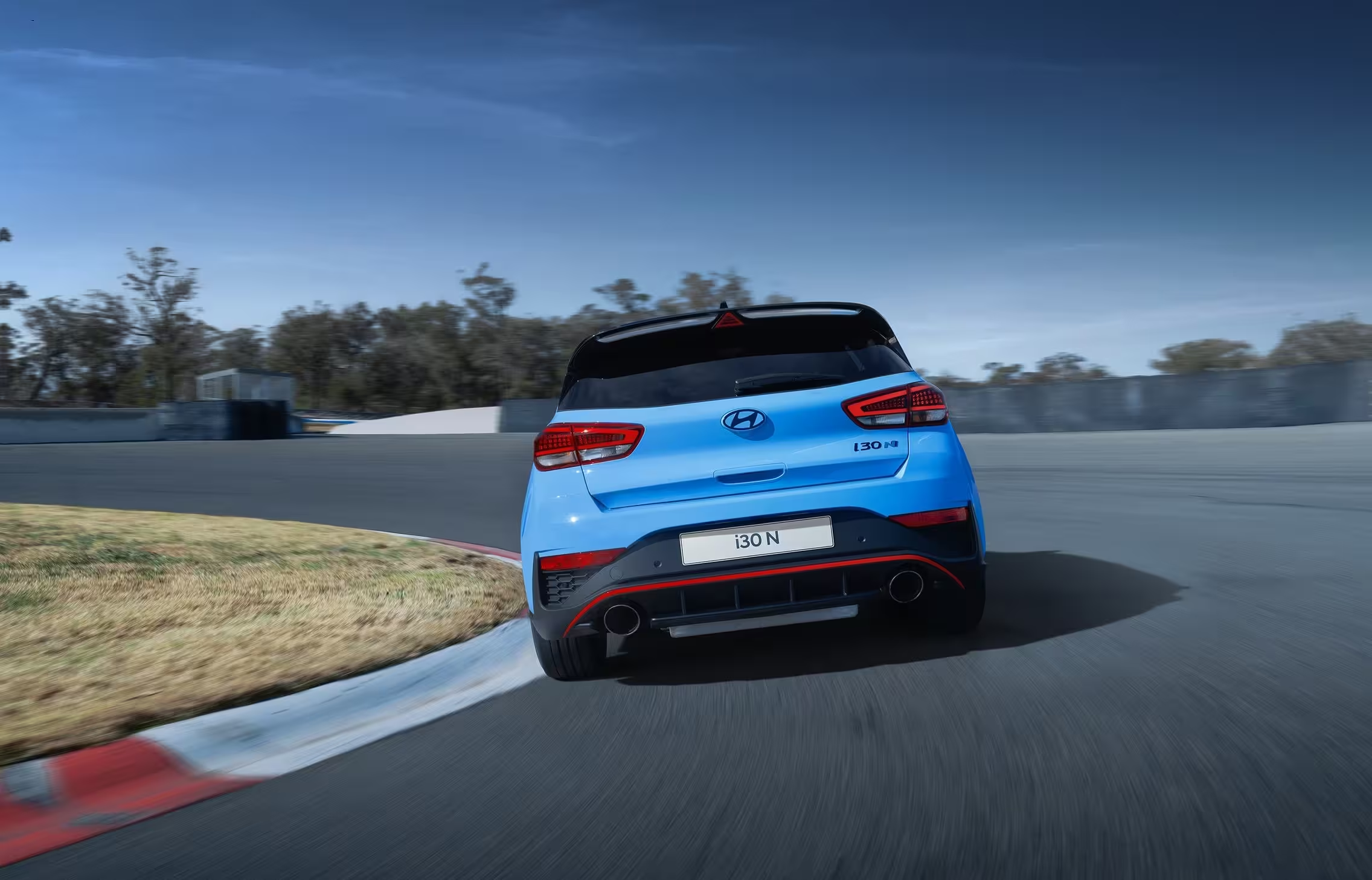
The Project C exemplified what made the i30 N special: a driver-focused setup, distinctive styling, and a strict manual-only gearbox. That hands-on experience—manual shifting, raw turbo torque and sharp chassis tuning—remains central to the hot-hatch ethos.
Performance figures and expectations
Historically, the i30 N's 2.0-litre turbo delivered impressive numbers. Project C produced around 275 PS (271 hp) and 353 Nm of torque, while the facelifted lineup offered 250 PS as standard and up to 280 PS for Performance-spec cars. Contemporary regional variants, like Australia's, have claimed figures around 276 hp — a good baseline if Hyundai continues the model with hybrid assistance that could preserve or even boost performance while cutting CO2.
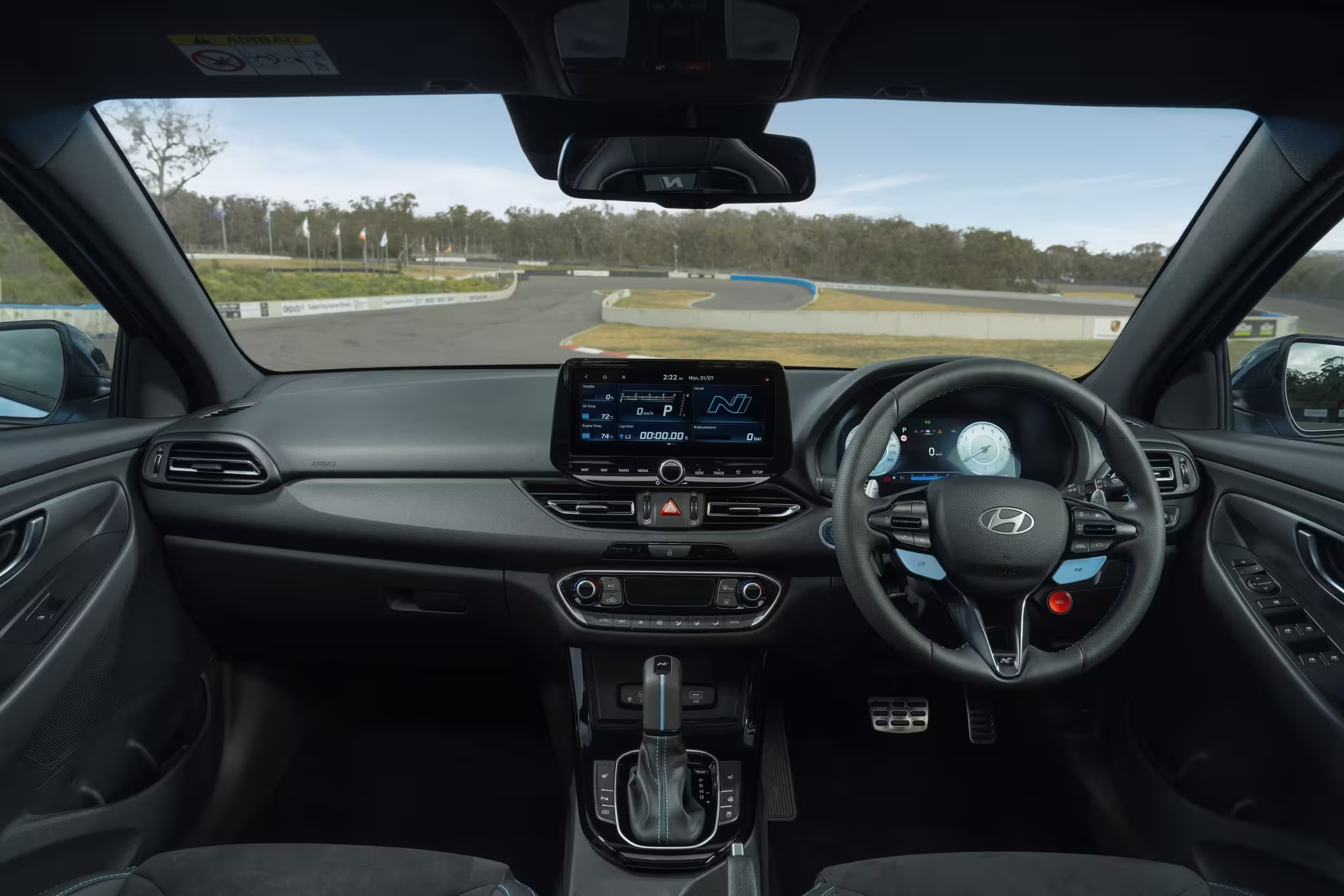
"A hybrid i30 N could marry traditional turbo punch with modern efficiency, keeping the hot hatch spirit alive in a changing regulatory landscape."
What to watch for next
Look for official word from Hyundai as the i30 receives its next refresh. Key indicators will be technical disclosures about Euro 7 compliance, hybridization strategy (mild vs full hybrid), and whether a manual gearbox remains part of the line-up. For enthusiasts, the hope is clear: a retained driving character, modern emissions compliance, and a model range that keeps the N division's edge in the hot-hatch arena.

Leave a Comment
Comments (2)
Makes sense tbh with Euro7 and taxes, but kinda worried — will it still feel raw? Hope they dont over-soften it, or it's just another slick econ hatch
Is this even true? Hybrid i30 N sounds meh if they ditch the manual. Keep the gearbox Hyundai, pls. Turbo + electric ok, but not at cost of the car's soul