
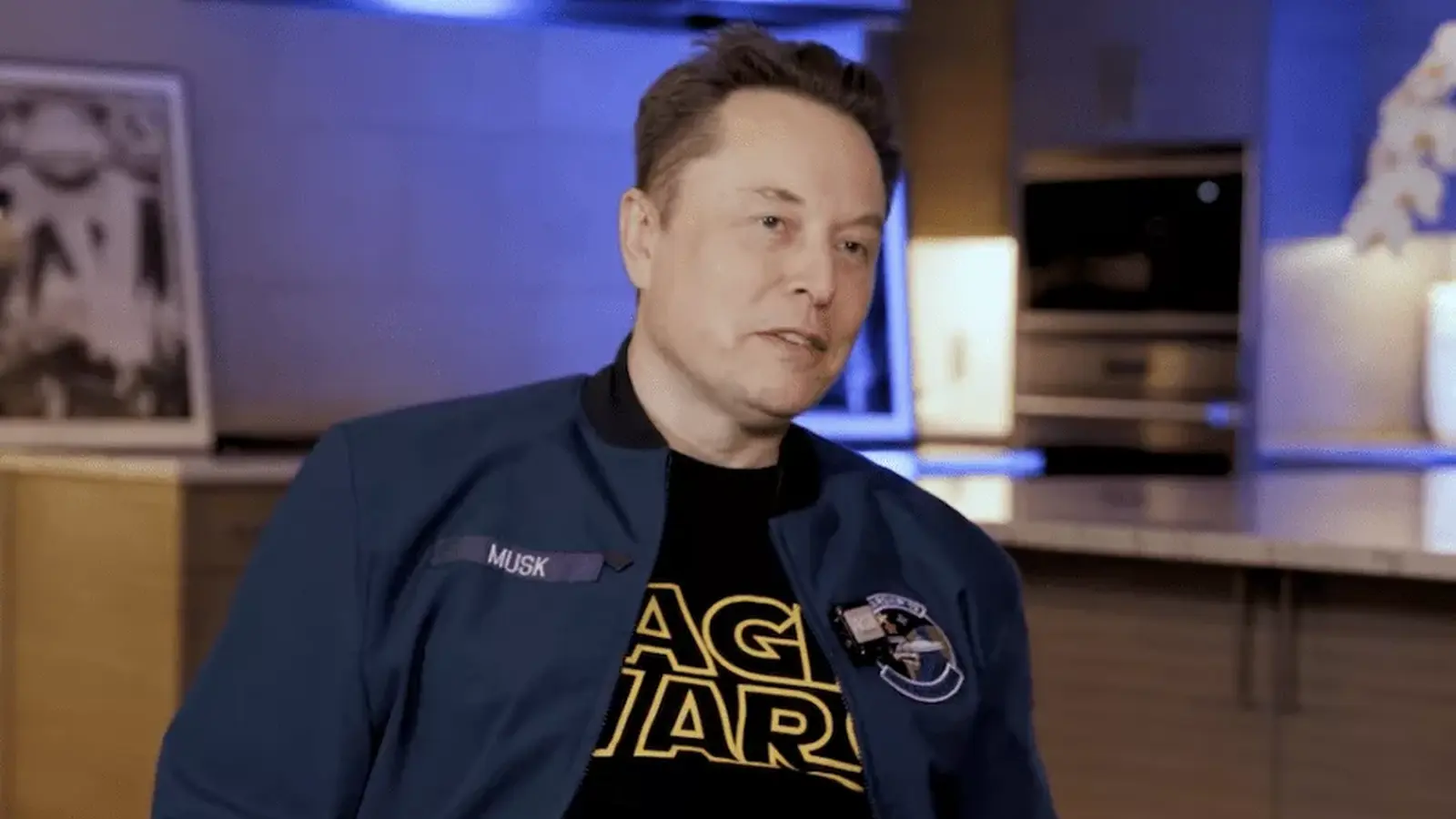
Elon Musk says he would not take the job leading the government productivity office known as DOGE if he could do it over. In a candid podcast conversation, the Tesla CEO described the experience as surreal and admitted the political detour cost him—and his company—more than it delivered.
The DOGE experiment: big promises, modest results
Musk initially told the public he could cut as much as $2 trillion from U.S. government spending. The reality, he now admits, fell far short. On the Katie Miller podcast, he called the office's achievements "partially successful," claiming his team halted what he called $100–200 billion in wasteful "zombie payments." Independent reporting by Politico, however, confirms only about $1.4 billion in contract cancellations so far.
From reformer to lightning rod
Why the disconnect? Musk acknowledged that while he did stop some needless spending, he failed to spark the sweeping productivity revolution he had promised. The public reaction to his role in the Trump-era office was fierce: critics accused him of cozying up to politics, and some opponents poured their anger into vandalizing Tesla vehicles during protests.
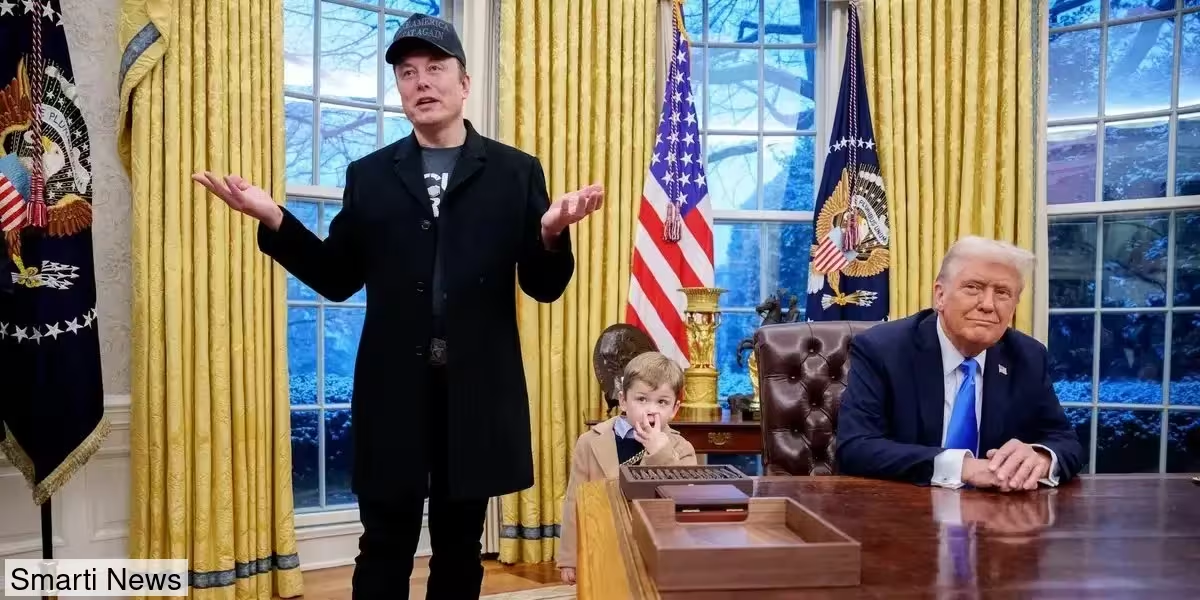
How Washington involvement hit Tesla
Investors noticed. Tesla shares plunged in the first half of the year as shareholders worried the CEO's attention had drifted from electric vehicles to political theater. Market analysts flagged Musk's time at DOGE as a distraction—Garth Nelson, a senior market analyst, said it was clear Musk spent more time on the government office than on Tesla's business.
When Musk formally resigned from DOGE in May, the market response was swift: Tesla stock rebounded and climbed about 17% by year-end, offering relief to nervous shareholders.
What Musk says he'd do differently
Asked if he'd accept the role again, Musk was blunt: no. He said he would rather have focused on his companies to prevent the reputational fallout that led to protests and damage to Tesla vehicles. "I wouldn't do it again," he said, adding that preserving the focus on Tesla would have been the better choice for both the company and its customers.
The episode highlights a familiar tension for high-profile founders: public service can bring influence, but it can also create political heat that bleeds back into private ventures. For Musk, the cost was measured not just in headlines, but in investor confidence and damaged cars parked on suburban streets.


Leave a Comment
Comments
No comments yet. Be the first.