
4 Minutes
Porsche admits defeat — but is staging a comeback
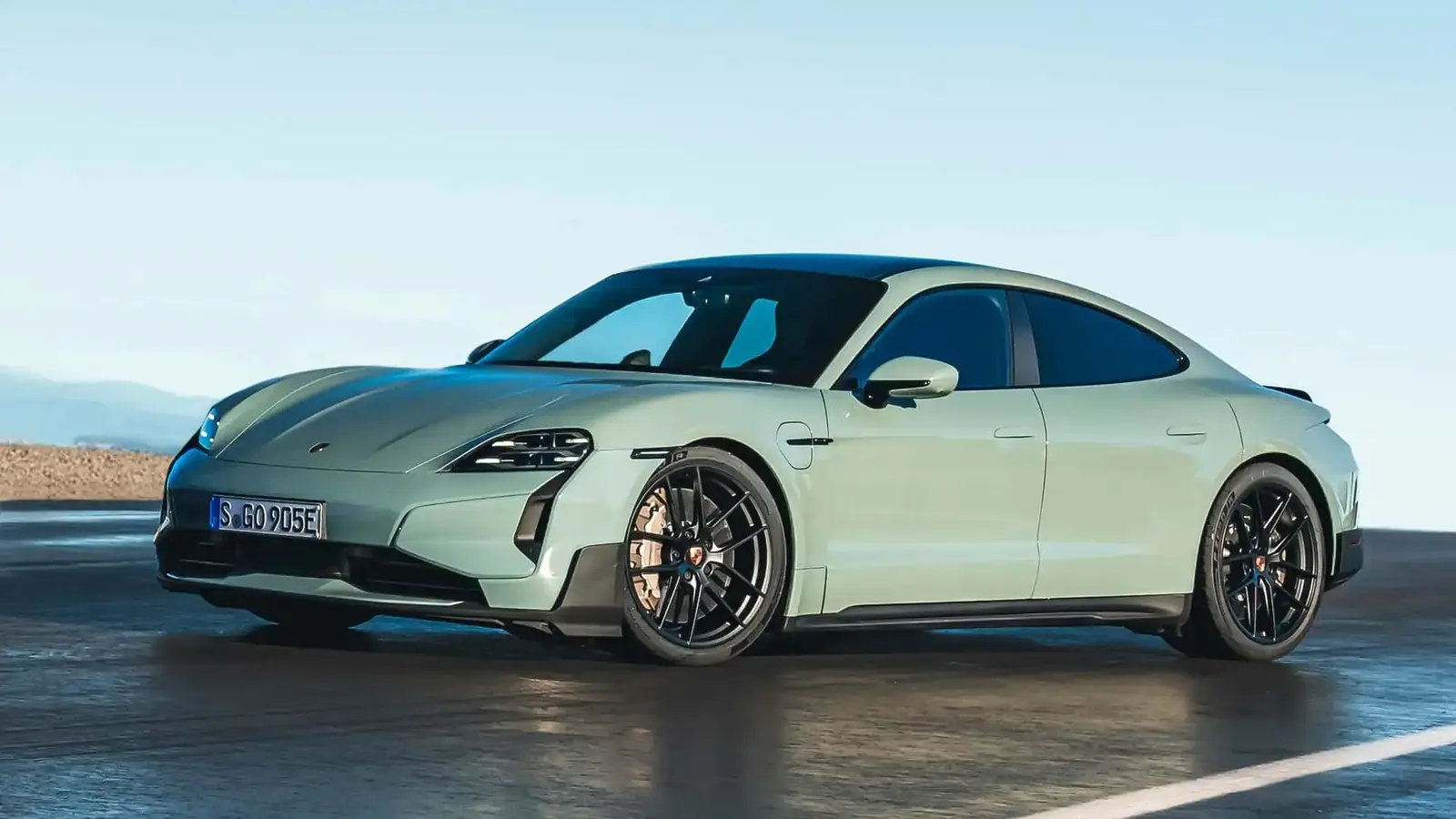
Porsche has quietly acknowledged what many in the automotive world already suspected: Chinese automakers are advancing at a 'breathtaking' pace. After a sharp drop in deliveries, the Stuttgart marque is reshuffling its China strategy, doubling down on combustion-engine SUVs while keeping a limited electric-vehicle roadmap in play.
The numbers make the situation stark. Porsche sales in China fell 28 percent to 56,887 cars in 2024, and shipments continued to slide by roughly 26 percent through September. That decline prompted Zuffenhausen to launch an initiative called 'Winning Back China' — a realistic program focused on stabilizing share rather than recapturing peak volumes overnight.
Why is Porsche losing ground?
Porsche China CEO Alexander Pollich told German business daily Automobilwoche that competition is fierce. He described the market this way: 'The pace of innovation in China is breathtaking.' Electric sedans from local brands now flood multiple price bands, offering features and pricing that match local tastes. Two large forces are at play:
- A tidal wave of lower-priced EVs that undercut legacy luxury pricing.
- A policy shift: the luxury tax threshold dropped from 1.3 million yuan to 900,000 yuan on July 20, making many high-end models more expensive after tax.
Combined, these factors squeezed demand. Porsche reports the average net list price for a new Porsche in China sits under 1 million yuan (about $141,000), but taxes and shifting customer preferences have shrunk its addressable market.
Dealership cuts and a clearer product plan
As part of the reset, Porsche is streamlining its retail footprint. The brand reduced its outlets from about 150 this year to 120, with plans to reach just 80 brick-and-mortar dealerships by the end of next year. Those remaining showrooms will be important sales and service hubs for a small but targeted product mix.
Key elements of Porsche's China roadmap:
- A new, gasoline-powered Macan to replace the original model, aimed at buyers who still favour internal combustion performance.
- A three-row SUV, originally planned as EV-only, will now debut with combustion engines first.
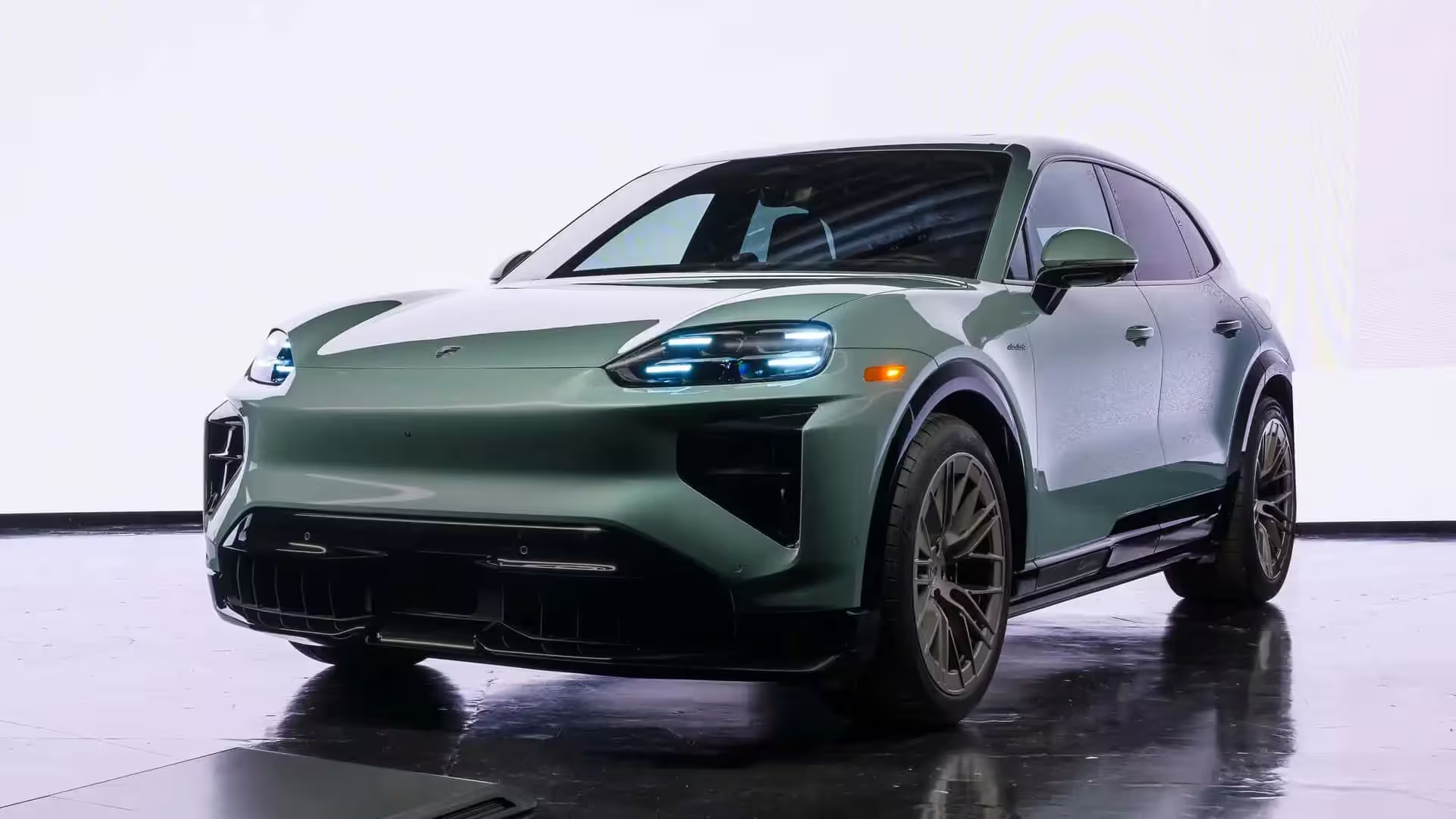
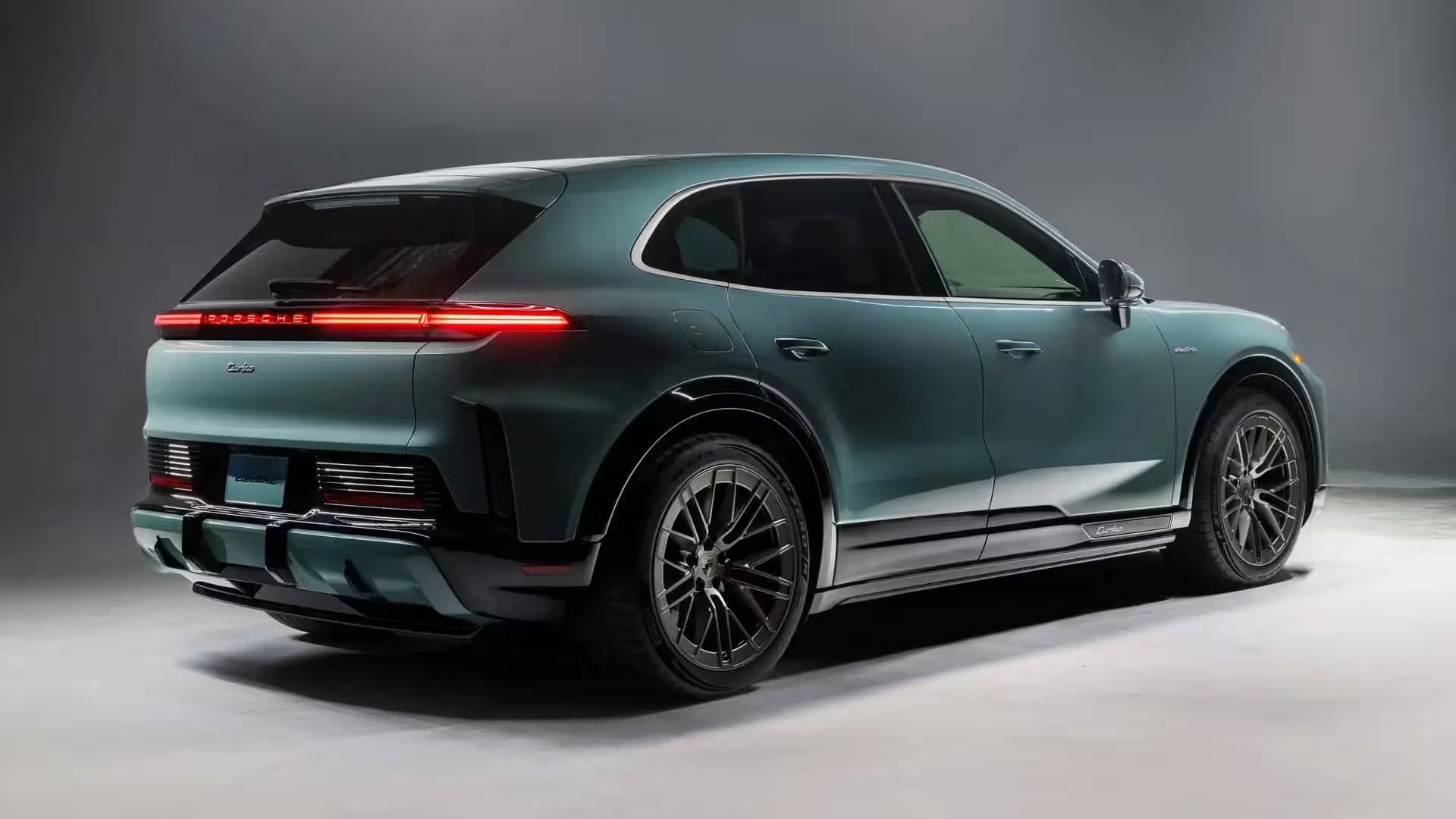
- Local launches of the Cayenne Electric and a 718 EV, the latter touted as 'unique in China in terms of its sportiness.'
- Continued availability of petrol engines for Boxster and Cayman, but limited to top-trim variants.

These moves underline an important point: Porsche is not abandoning electrification, but it is balancing EV investment with renewed emphasis on combustion-engine models where it can defend margins and brand DNA.
Timeline, obstacles and strategic limits
Pollich warned of a 'challenging' 2026, and the newest gas-fueled SUVs are not due until later in the decade. Cost concerns also curtail options: Porsche has ruled out shipping semi-knocked-down (SKD) or completely-knocked-down (CKD) kits for local assembly, citing high expenses.
The company also dismissed immediate plans to launch a separate, lower-tier spin-off brand in China — an approach some rivals have used to chase different customer segments.
Context: a transformed Chinese market
Porsche is not alone. Major European rivals saw declines last year: BMW Group fell 13 percent, Mercedes dropped 7 percent, and Audi slid 10.9 percent. Chinese brands closed the technology and quality gap quickly, and their price-to-feature ratio in EVs is particularly hard to beat. For legacy premium makers, the result is an intensely competitive environment that demands tactical agility.
For Porsche, doubling down on combustion engines is both a tactical and emotional decision. The brand's heritage is tied to driving feel and performance, traits that many buyers still associate with internal combustion. If executed well, gas-powered Macans and three-row SUVs could shore up sales among buyers unwilling to switch to local EVs or to full-electric Porsche models.
Bottom line
Porsche's China reset is pragmatic: prune dealer networks, introduce targeted combustion-engine models, and keep a trimmed EV lineup that includes local versions of the Cayenne Electric and a sporty 718 EV. The company acknowledges the uphill battle — but hopes a balanced portfolio and clearer market positioning will steady its foothold in the world's largest car market.
Highlights:
- Sales fell 28% to 56,887 units in 2024.
- Luxury tax threshold lowered to 900,000 yuan, shrinking market for high-end models.
- Plan includes new gas Macan, three-row SUV with petrol-first launch, Cayenne Electric and 718 EV for China.

Expect more coverage as Porsche reveals technical specs and launch timelines for the new gas models — a rare pivot towards petrol at a time when many rivals double down purely on EV strategies.

Leave a Comment
Comments (2)
Is the luxury tax the full story or just a scapegoat? Chinese EVs moved crazy fast, Porsche maybe underestimated local tastes. hmm
wow, Porsche going back to gas.. kinda poetic but also risky. nostalgia sells, but does it actually fix the China EV problem? hope so