
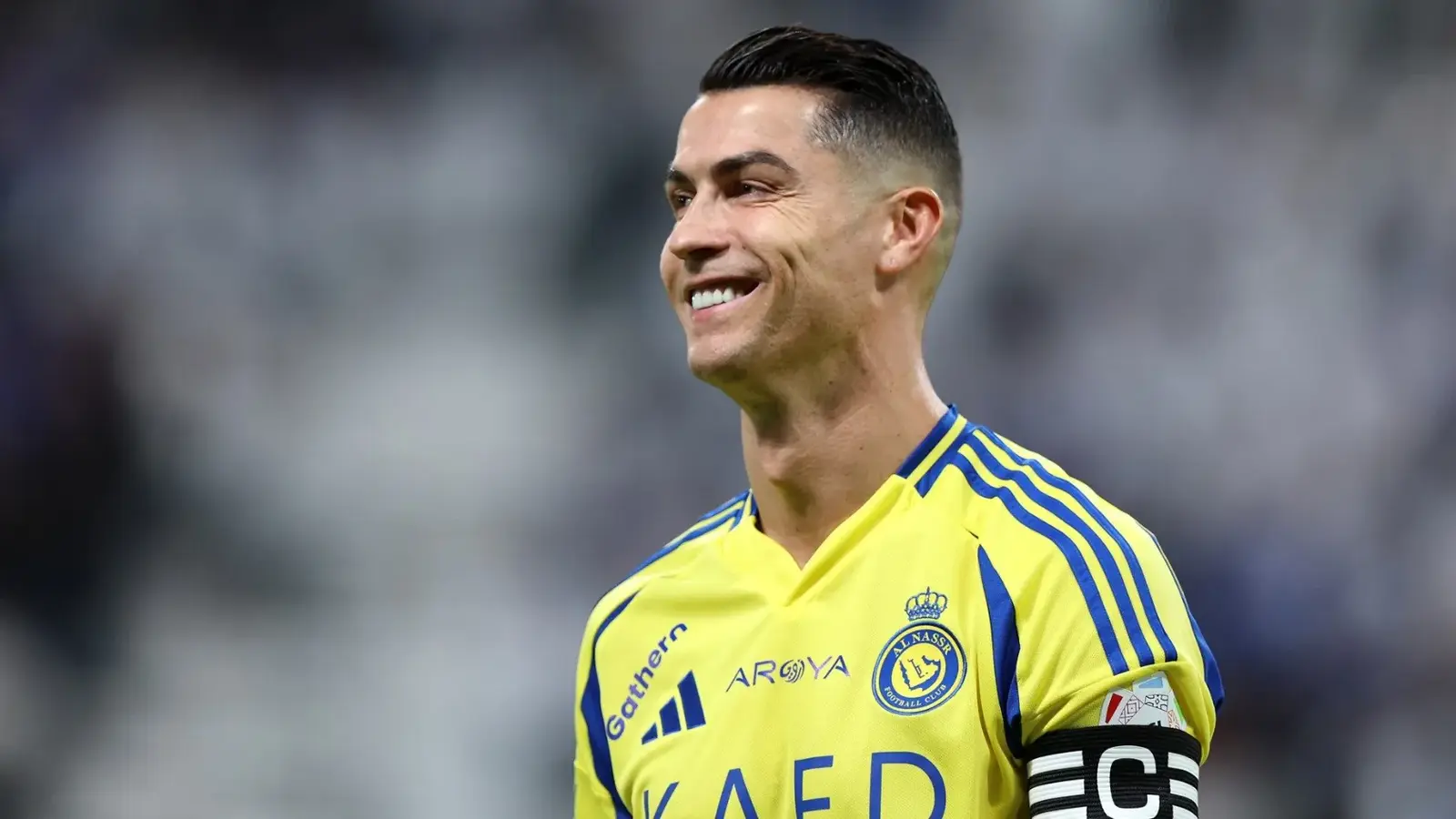
Vin Diesel once teased one of the biggest “what ifs” in modern pop culture: Cristiano Ronaldo nearly had a role in the Fast & Furious universe. The revelation—shared by Diesel on social media years after the fact—reignites curiosity about the crossover potential between global sports icons and blockbuster action franchises.
How close did it get?
According to Diesel, a part was written for Ronaldo during the production of Los Bandoleros (2009), the short film that helps bridge stories within the Fast canon. It wasn’t just a passing idea: the filmmakers reportedly sketched a role tailored to Ronaldo’s charisma and global appeal. That kind of deliberate writing suggests more than a cameo—producers were considering how to use his star power narratively and commercially.
Why didn’t it happen? Details are scarce. Scheduling conflicts, creative direction, or Ronaldo’s own priorities as a football megastar likely played a role. Still, imagining the all-time leading scorers of football stepping into the wheelhouse of Vin Diesel’s car-fueled saga captures the imagination of fans across both worlds.
Context and industry insight
Casting high-profile athletes in films isn’t new: Michael Jordan in Space Jam, LeBron James in Space Jam: A New Legacy, and Dwayne Johnson’s transition from wrestling to A-list movie star all show different outcomes of sports-to-screen moves. For Fast & Furious, which thrives on global box office and star cameos, adding Ronaldo could have boosted appeal in markets where football reigns supreme—especially the Middle East and Europe.
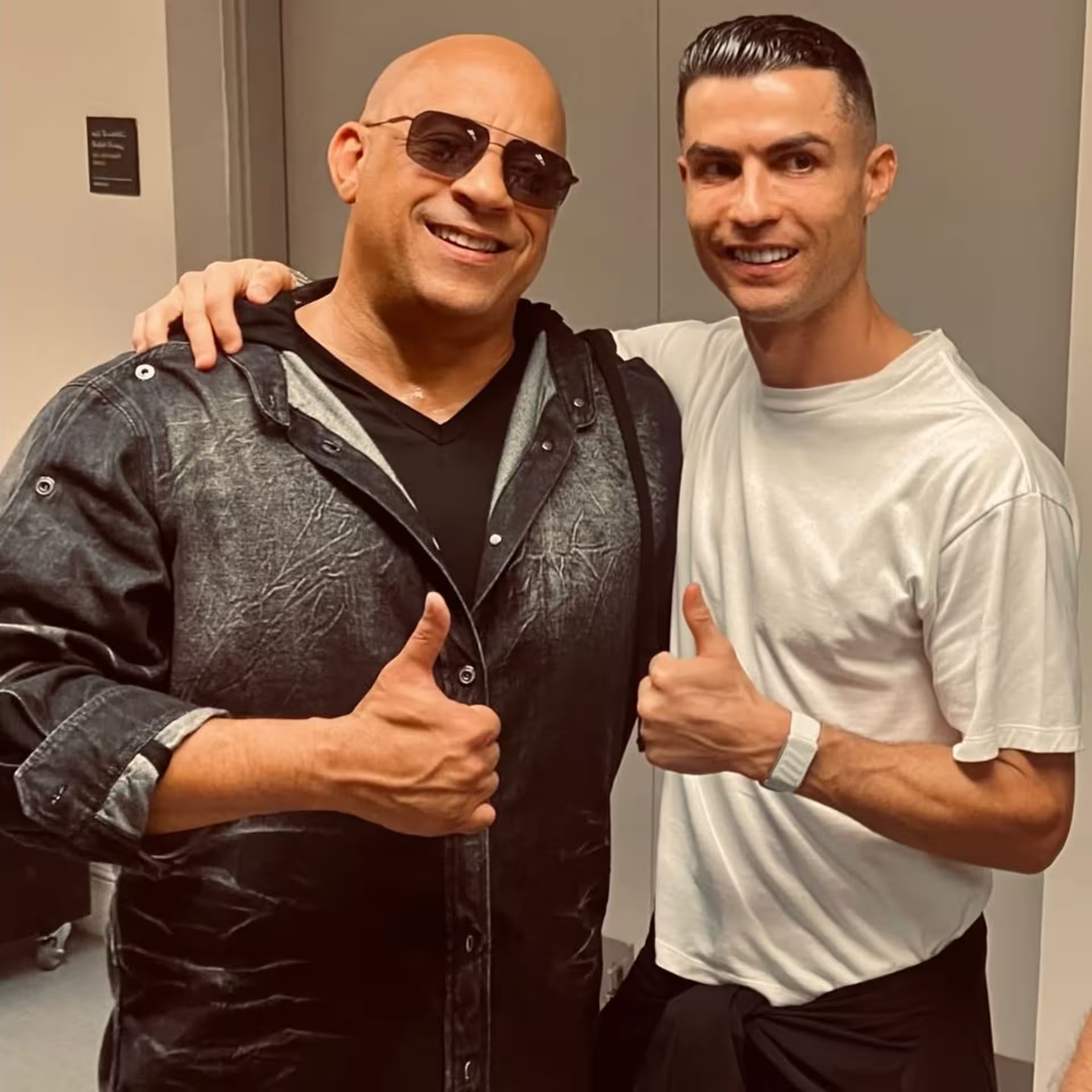
Beyond box-office math, there’s cultural resonance: Ronaldo isn’t just an athlete; he’s a global brand with cross-generational recognition. His potential participation would have been a marketing coup and a nod to how modern franchises trade on celebrity beyond traditional actors.
Trivia and fan reaction: Diesel’s Instagram remark ignited social feeds, with fans imagining Ronaldo racing alongside Dom Toretto or appearing in a high-octane stunt. The Fast franchise has a history of surprising cameos—Paul Walker’s legacy moments, Jason Statham’s villain to ally arc—so Ronaldo’s would have fit the series’ playful, boundary-pushing casting strategy.
Critically, celebrity cameos can feel gimmicky if not integrated meaningfully. The smartest uses—where the star serves story first—are the most memorable. In that sense, writing a specific role for Ronaldo hinted at serious intent, not just headline-chasing.
Whether it was a near-miss or a deliberate steering away, the story underscores how franchises balance spectacle, authenticity, and global marketing. For now, it remains an enticing footnote in Fast & Furious lore—one that fuels fan speculation and cinematic daydreams.


Leave a Comment
Comments
No comments yet. Be the first.