
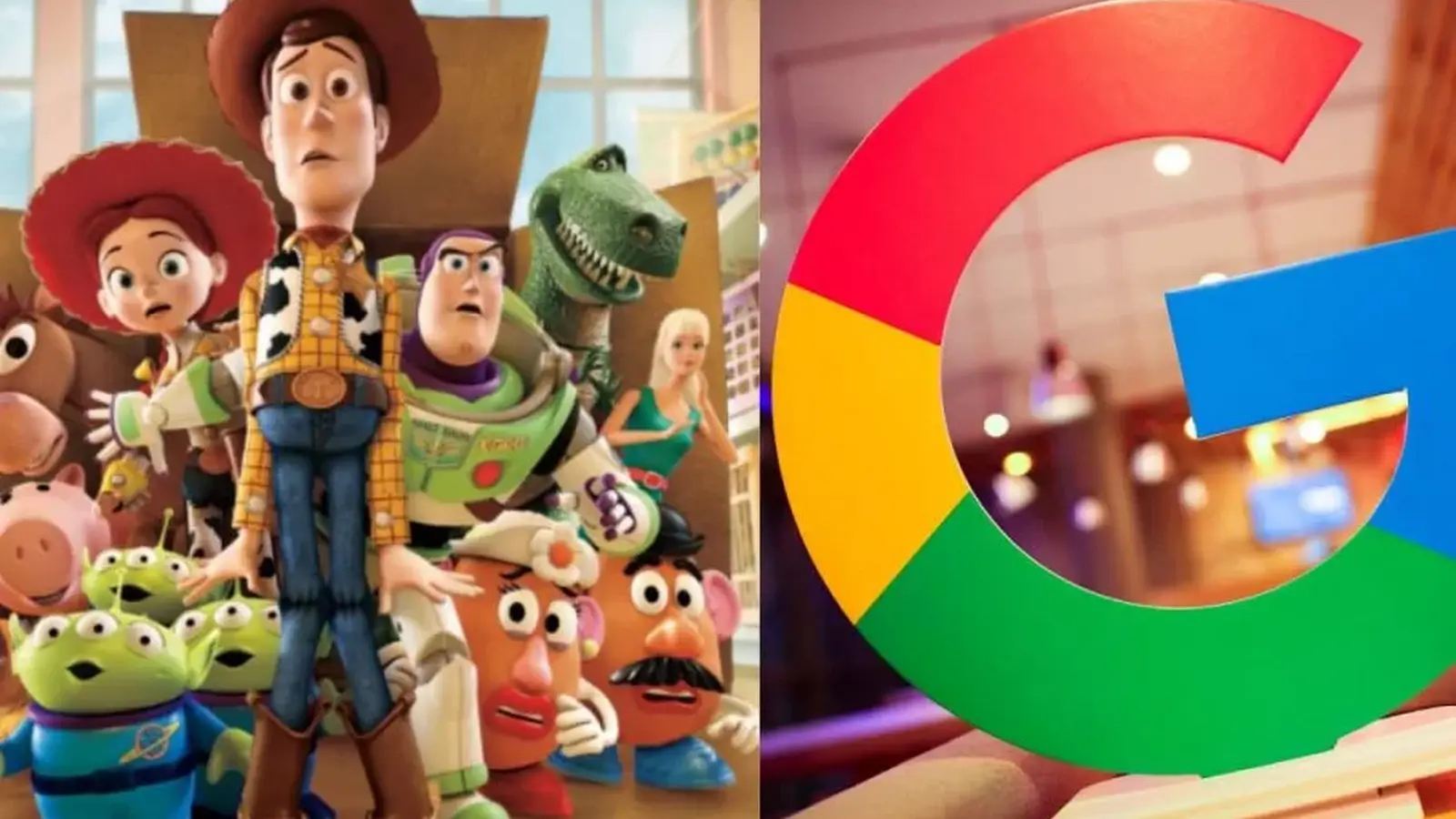
Disney has formally ordered Google to stop using its characters and content in generative AI tools, sending a cease-and-desist as the entertainment giant signs a separate billion-dollar deal with OpenAI. The dispute spotlights fresh legal and ethical friction over how AI platforms train models and surface copyrighted material.
A sudden legal move ahead of a major partnership
According to public reports, Disney sent a cease-and-desist letter to Google just hours before announcing a licensing agreement with OpenAI. The letter accuses Google of extensive copyright violations tied to its generative AI systems and asks the company to immediately halt using Disney-owned characters and assets in AI training data and consumer-facing products.
The notice specifically lists some of Disney’s most valuable intellectual properties — including The Lion King, Toy Story and Star Wars — and warns that Google’s tools can produce outputs based on those IPs. Disney also singled out Google services such as YouTube and a product referenced as Nano Banana.
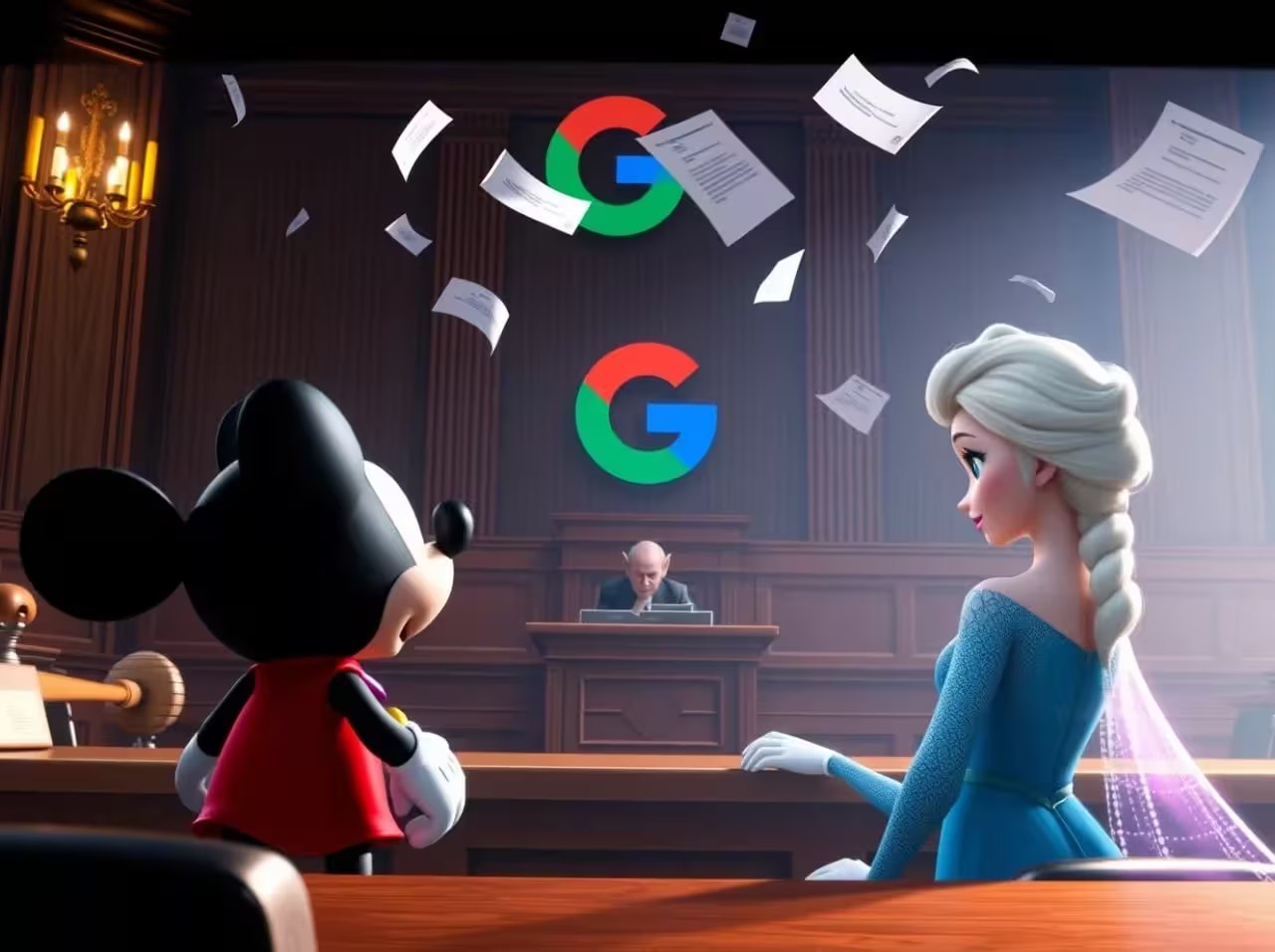
What Disney says and why it matters
Disney CEO Bob Iger told reporters and outlets that talks with Google had been underway for months, but the company felt Google hadn’t made meaningful policy changes to address its concerns. Disney additionally pointed to instances of AI-generated figurine images and viral trends — and suggested that high-profile gestures by Google’s CEO Sundar Pichai may have encouraged users to replicate protected content.
In parallel, Disney announced a roughly $1 billion agreement with OpenAI to allow the use of select Disney characters and imagery in a project called Sora, an AI-driven video creation and social platform. The deal gives OpenAI licensed access to recognizable Disney IP inside a controlled creative tool, illustrating how studios are weighing licensing revenue against broader platform concerns.
Google’s response: longstanding ties and content controls
Google provided a statement noting a long, mutually beneficial relationship with Disney and said discussions would continue. The company emphasized that it trains models on publicly available web data and highlighted protections it already offers creators — such as YouTube’s Content ID system and advanced copyright controls designed to protect rights holders.
- Disney: sent a cease-and-desist and named major franchises.
- Google: defends its use of public web data and existing copyright tools.
- OpenAI: received licensing rights to Disney IP for Sora under a new $1B deal.
At stake is more than one studio’s balance sheet. The clash raises broader questions: how much control should IP owners retain over datasets used to train AI, and how will platforms balance innovation with copyright enforcement?
What to watch next
Expect rapid developments. Legal teams for all parties may escalate the dispute, policymakers could weigh in as lawmakers scrutinize AI and copyright, and other studios will watch closely to see whether licensing deals or legal challenges become the dominant path forward. For creators and users, the episode underscores how quickly generative AI is forcing a rewrite of longstanding media norms.

Leave a Comment
Comments
No comments yet. Be the first.