
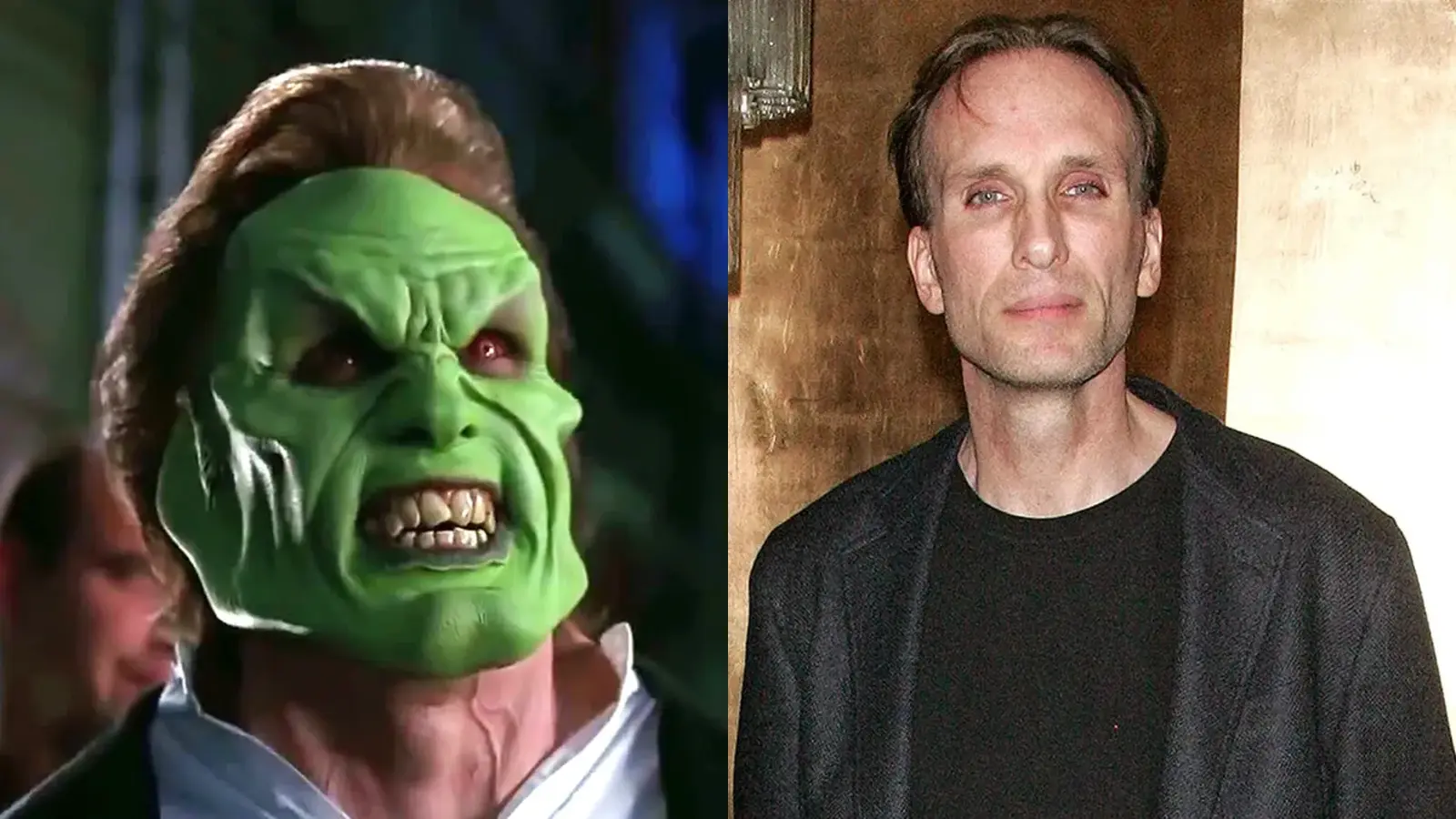
Peter Green, the veteran American character actor best known for his chilling turn as Zed in Quentin Tarantino’s Pulp Fiction and the menacing Dorian Tyrell in The Mask, has died at 60. His body was discovered in his Lower East Side apartment in New York City on December 12, 2025, according to reports. While police say the scene does not appear suspicious, an autopsy has been ordered to determine the exact cause of death.
Neighbors told authorities they had heard Christmas music playing from Green’s apartment for several days before police were called. Greg Edwards, Green’s longtime manager, confirmed the news and called the loss “a huge shock.” Edwards also noted plans the actor had for the coming year, including a role opposite Mickey Rourke in a film titled Mascots and two other projects in development.
Career highlights and the art of playing the villain
Peter Green carved a niche as a reliable and memorable screen villain across genres — from dark crime dramas to broad studio comedies. His Zed — part of one of Pulp Fiction’s most talked-about sequences — remains an indelible presence in 1990s cinema, while Dorian Tyrell in The Mask showcased his ability to combine physical menace with comic timing opposite Jim Carrey.
Beyond those signature parts, Green appeared in a string of notable films: The Usual Suspects, Judgment Night, Under Siege 2: Dark Territory, Training Day and The Bounty Hunter. More recently he brought gravitas to TV, playing Uncle Charlie in The Continental, the John Wick universe spin-off that tapped nostalgia for gritty supporting characters and expanded the market for franchise offshoots.
Character actors like Green have long been the backbone of memorable Hollywood films. Directors such as Tarantino deliberately cast against type and relied on performers with specific screen personas to give scenes texture. In that context, Green stood alongside other era-defining character players who specialized in threatening, scene-stealing roles.
Trivia and behind-the-scenes notes: the Zed sequence cemented Green in pop-culture lore, frequently referenced in retrospectives about Tarantino’s early work. On The Mask set, insiders recall how Green and Jim Carrey rehearsed physical beats so the comedy never undercut the menace — a balancing act that became a hallmark of Green’s craft.
Fans and critics reacted quickly online after news of his passing. Social media feeds filled with clips of his most striking scenes and recollections from colleagues. His ability to make villains feel lived-in rather than one-note earned him a loyal following among cinephiles.
Film critic Anna Kovacs offered perspective on Green’s legacy: "Peter Green had a rare gift for making antagonists feel inevitable — not simply evil for its own sake, but shaped by life. His screen presence elevated every film he was in, turning small roles into unforgettable moments."
As Hollywood increasingly mines franchises and nostalgia projects, performers like Green remind us why supporting actors matter: they give films texture, stakes and a human edge. His sudden passing leaves a gap for filmmakers who favored actors who could transform a scene with a look or a turn of phrase.
A quieter, compassionate side of Green was often noted by those who knew him off-camera — a contrast to the characters he made famous. Whether remembered for Pulp Fiction, The Mask, or his later television work, Peter Green leaves a legacy of intense, finely tuned performances that will keep him alive in movie history and in the memories of fans.


Leave a Comment
Comments
No comments yet. Be the first.