
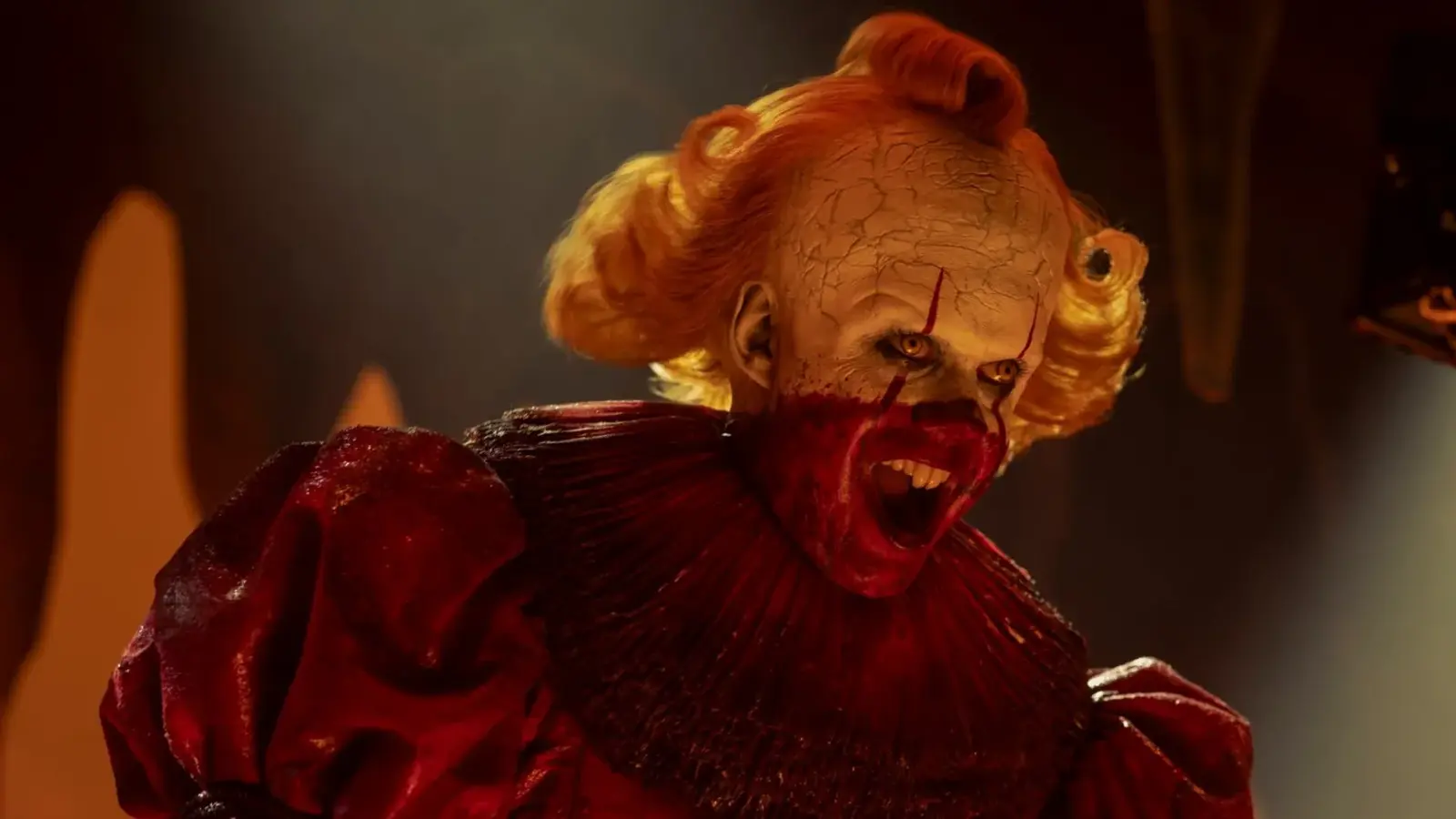
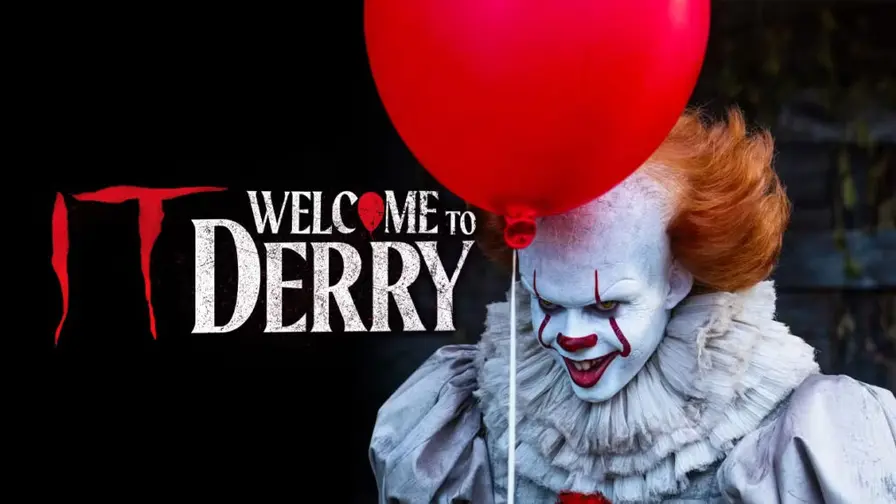
IT: Welcome to Derry closes season one with a bang
HBO's IT: Welcome to Derry finished its first season on a high note, delivering the show's strongest audience numbers to date and cementing its place among HBO Max's most-watched originals. According to Warner Bros. Discovery, the season one finale attracted 6.5 million viewers across HBO and HBO Max in the United States during its first three days — a 12% increase over the previous best-performing episode.
These figures are part of a larger success story: the series averaged nearly 20 million viewers globally for season one and about 11.5 million in the U.S. With those totals, IT: Welcome to Derry now ranks in HBO Max's top three originals since the platform launched, trailing only The Last of Us and House of the Dragon.
What the finale delivered — and left unanswered
The final episode offered important revelations about the supernatural force menacing Derry and its interest in Pennywise, while deliberately leaving threads open for future chapters. Executive producer and director Andy Muschietti has hinted at a trilogy-style plan for the show; he previously told Deadline he envisions a second season that travels back to 1935, 27 years before the events of season one. The finale itself plants narrative clues that could justify such a backward leap, but as of now a second season has not been officially greenlit.
Creative team and continuity
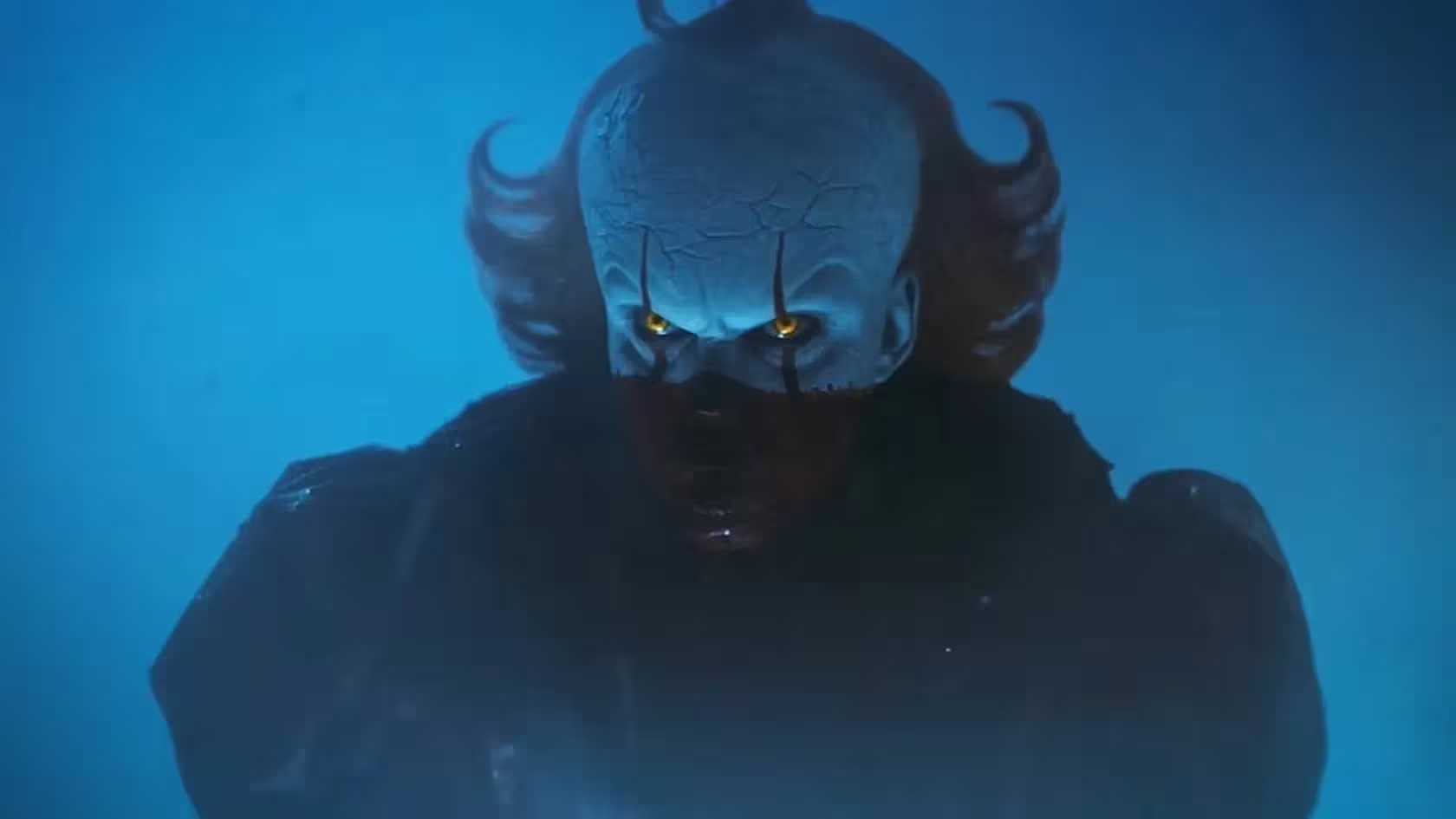
Produced by Andy and Barbara Muschietti through Double Dream, and showrun by Jason Fuchs and Brad Caleb Kane, the series draws creative DNA from Muschietti's feature adaptations of Stephen King's IT (2017, 2019). Fans and critics have compared the tone and scope of the show to those films — the miniseries format allows for more world building, while keeping Pennywise at the center of the horror.
Industry context and fan reaction
IT: Welcome to Derry arrives in a cultural moment where horror on streaming platforms has strong momentum. Shows like The Last of Us and House of the Dragon have proven that cinematic production values and serialized storytelling can drive massive viewership. Social media lit up after the finale, with fans praising the visuals and emotional stakes even as some viewers called for clearer answers and tighter pacing.
Behind the scenes, the Muschiettis' fingerprints are apparent in the show's cinematic framing, creature design, and commitment to period detail. That ambition likely helped the series reach broad audiences who expect the kind of production scale HBO is known for.
"IT: Welcome to Derry demonstrates how streaming horror can be both event television and thoughtful adaptation," says cinema historian Marko Jensen. "Muschietti balances spectacle with mythology, creating a series that invites long-term storytelling without losing the immediacy that scares audiences right now."
Where things could go next
If HBO opts to continue the series, a 1935-set season could expand the show's mythology and explore another cycle of tragedies in Derry. Whether the network pursues a multi-season arc will depend on negotiations, creative schedules, and how the show performs in sustained streaming windows.
For now, the finale has done its job: it boosted viewership, deepened the mystery, and left fans hungry for more Pennywise. That combination — strong numbers plus unanswered questions — is often the best recipe for a return.

Leave a Comment
Comments
No comments yet. Be the first.