
4 Minutes
Macro backdrop: tariffs, liquidity, and crypto sensitivity
As 2026 opens, cryptocurrencies are increasingly sensitive to shifts in macroeconomic policy. Institutional adoption and larger liquidity flows mean Bitcoin, Ethereum, and XRP now react more strongly to changes in interest rate expectations, inflation signals, and global trade dynamics. The continuation or expansion of tariffs introduced in 2025 under the Trump administration has become a central macro risk that could amplify market volatility for digital assets in January and beyond.
Why tariffs matter for crypto markets
Tariffs raise import costs, which can push headline inflation higher. That prospect influences central bank behavior: if inflation remains elevated, policymakers may keep monetary policy restrictive for longer, slowing risk appetite. Higher real yields tend to reduce the relative attractiveness of high-beta assets, including many cryptocurrencies. Conversely, fears of currency weakness or sustained inflation can increase demand for scarce or non-sovereign assets that some investors view as an alternative store of value.
Institutional participation also changes the transmission of these shocks. Large asset managers, hedge funds, and corporate treasuries can move capital quickly in and out of crypto exposure, amplifying price swings as liquidity conditions change. In short, tariffs affect the real economy and inflation expectations, and those macro channels flow directly into crypto market volatility.
What tariffs could mean for BTC, ETH, and XRP
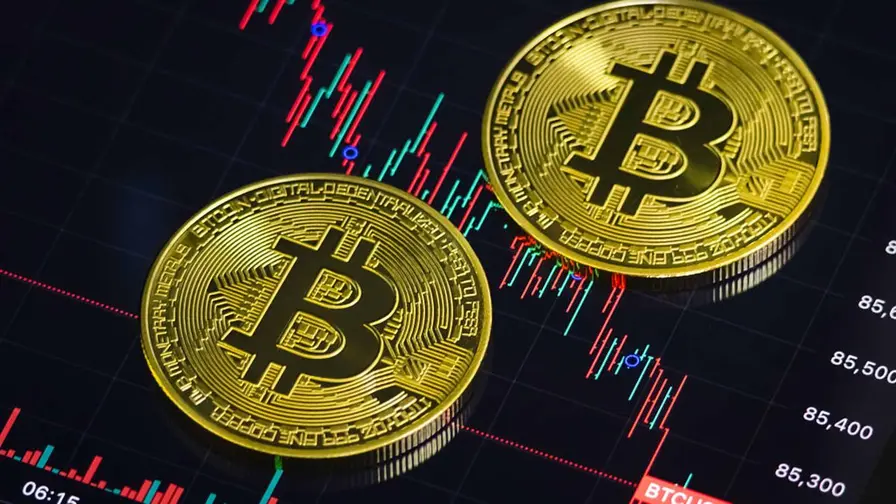
Bitcoin
Bitcoin typically moves with broader risk sentiment but also serves as an inflation hedge narrative for many investors. In a scenario where tariffs raise inflation and undermine confidence in fiat purchasing power, Bitcoin could attract renewed interest as a scarce digital asset. In the near term, though, tariff announcements that spur equity market selloffs or increase risk aversion could pressure BTC prices. Institutional flows, on-chain demand, and macro hedging activity will shape how durable any rally or dip becomes.
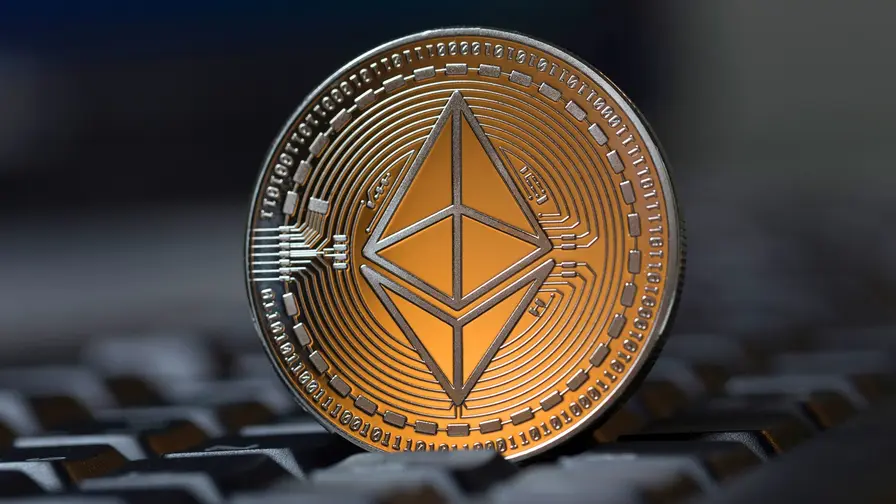
Ethereum

Ethereum tends to be more sensitive to liquidity rotations because of its central role in decentralized finance and smart contract activity. Tighter monetary conditions and higher interest rates could pull capital away from DeFi projects, lending markets, and NFT-related activity, putting downward pressure on ETH in the short term. That said, structural supports such as staking yields, network upgrades, and continued adoption of ETH-based applications may stabilize demand over the medium term, limiting downside from purely macro-driven shocks.
XRP
XRP occupies a distinct niche focused on cross-border payments and settlement efficiency. If tariffs and trade frictions make international commerce more complicated, demand for faster, lower-cost payment rails could grow gradually, which may benefit XRP adoption over time. Any immediate price response, however, will likely be muted and slower than BTC or ETH because real-world payments integration tends to evolve over quarters rather than days.
Short-term risks and long-term opportunities
In January 2026, traders should expect heightened volatility across crypto markets. Tariff-related headlines can produce rapid swings in liquidity and sentiment, driven by adjustments to interest rate expectations and inflation forecasts. Risk management is essential: position sizing, stop-loss discipline, and hedging strategies remain prudent as macro uncertainty unfolds.
Over the longer horizon, cryptocurrencies still present differentiated use cases that may appeal to investors coping with persistent inflation or monetary uncertainty. Bitcoin as a potential store of value, Ethereum as a programmable asset powering DeFi and staking, and XRP as a payments-focused token each offer distinct pathways for adoption that could support price recovery if macro turbulence persists.
Final thoughts
Trump-era tariffs in 2026 could rattle markets initially, prompting short-term outflows from risky assets and elevated crypto volatility. However, the fundamental narratives for Bitcoin, Ethereum, and XRP are intact: scarcity, network utility, and cross-border payment efficiency remain relevant as investors reassess portfolio exposures. As traders and institutions adapt to the new trade environment, clearer price trends should emerge later in the year, shaped by the intersection of inflation dynamics, central bank policy, and on-chain fundamentals.










Leave a Comment
Comments (2)
Seen this from my FX desk, tariffs do shift yields and push outflows into crypto sometimes. ETH staking helped dampen drops, XRP adoption is sloooow tho, trade small and hedge.
Tariffs driving BTC moves? sure, but is the correlation really that strong? liquidity swings and headline noise imo, not just tariffs. need data