
3 Minutes
Spoiler alert
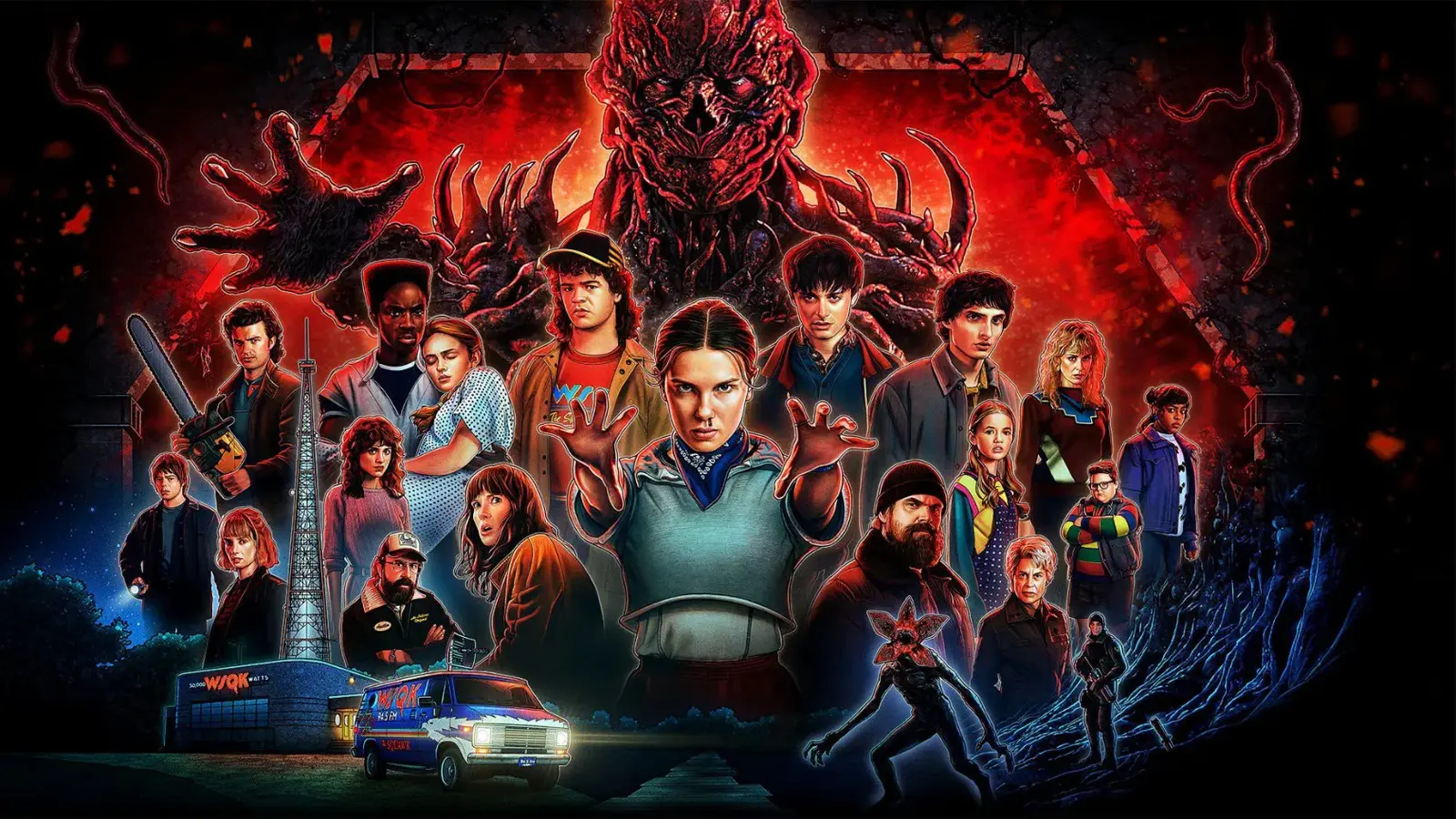
Matt Duffer, co-creator of Stranger Things, recently revealed a surprising creative spark behind the show’s most epic sequence: Larian Studios’ Baldur's Gate 3. While Stranger Things has long worn its Dungeons & Dragons roots on its sleeve, the climatic confrontation in season 5 borrows structure, tactics, and even creature inspiration from modern role-playing games.
From tabletop origins to modern RPGs
Stranger Things always nodded to classic D&D lore—the Demogorgon, the Upside Down, party dynamics—but Duffer says that while writing the final season he was deeply immersed in Baldur's Gate 3. That game, itself a sophisticated heir to tabletop mechanics, reframes enemy encounters as theater: positioning, role synergy, resource management, and dramatic counters. It’s these principles that Duffer mapped onto the show’s final combat against Vecna and the Mind Flayer forces.
How the final battle mirrors RPG mechanics
On-screen, the kids no longer fight as isolated heroes but as a cohesive party: fighters drawing fire, specialists disrupting psychic control, and improvised ranged teams using flares, Molotovs, and firearms in timed sequences. The sequence reads like a live-action dungeon crawl—an encounter where each character’s unique ability matters. That’s a direct lift from standout RPG design, where you defeat overwhelming foes by exploiting weaknesses and coordinating abilities rather than sheer force.
The show’s action also includes visual and narrative echoes of other game-influenced adaptations. While The Last of Us adapts a game's emotional beats and The Witcher brings monster-hunting aesthetics to TV, Stranger Things opts to transplant tactical gameplay logic into a large-scale cinematic set piece.

Reception, trivia and a little critique
Fans have been quick to spot nods: the role of Mind Flayers in Baldur's Gate echoes the show’s psychic antagonists, and online communities praised the sequence as both nostalgic and innovative. Trivia: the Mind Flayer concept actually predates Baldur's Gate, originating in classic D&D, but Larian’s depiction made its mechanics more filmable—and apparently inspirational.
Critically, this blending of video-game design with TV storytelling is a double-edged sword. It can produce fresh, kinetic scenes, but risks turning emotional climaxes into checklist-style encounters if not balanced with character stakes. In Stranger Things, the payoff works because the show already developed its characters across five seasons; their growth makes the team-based finale feel earned.
Ultimately, the choice to learn from Baldur's Gate 3 highlights a larger trend: contemporary TV increasingly borrows interactive design thinking to stage action and drama. For fans of both mediums, it’s a satisfying convergence of play and spectacle.
In short, the final battle of Stranger Things isn’t just a cinematic showdown—it’s a party-based RPG encounter brought to life on screen, with all the risks and rewards that crossover entails.




Leave a Comment
Comments
No comments yet. Be the first.