
6 Minutes
What the creators have revealed
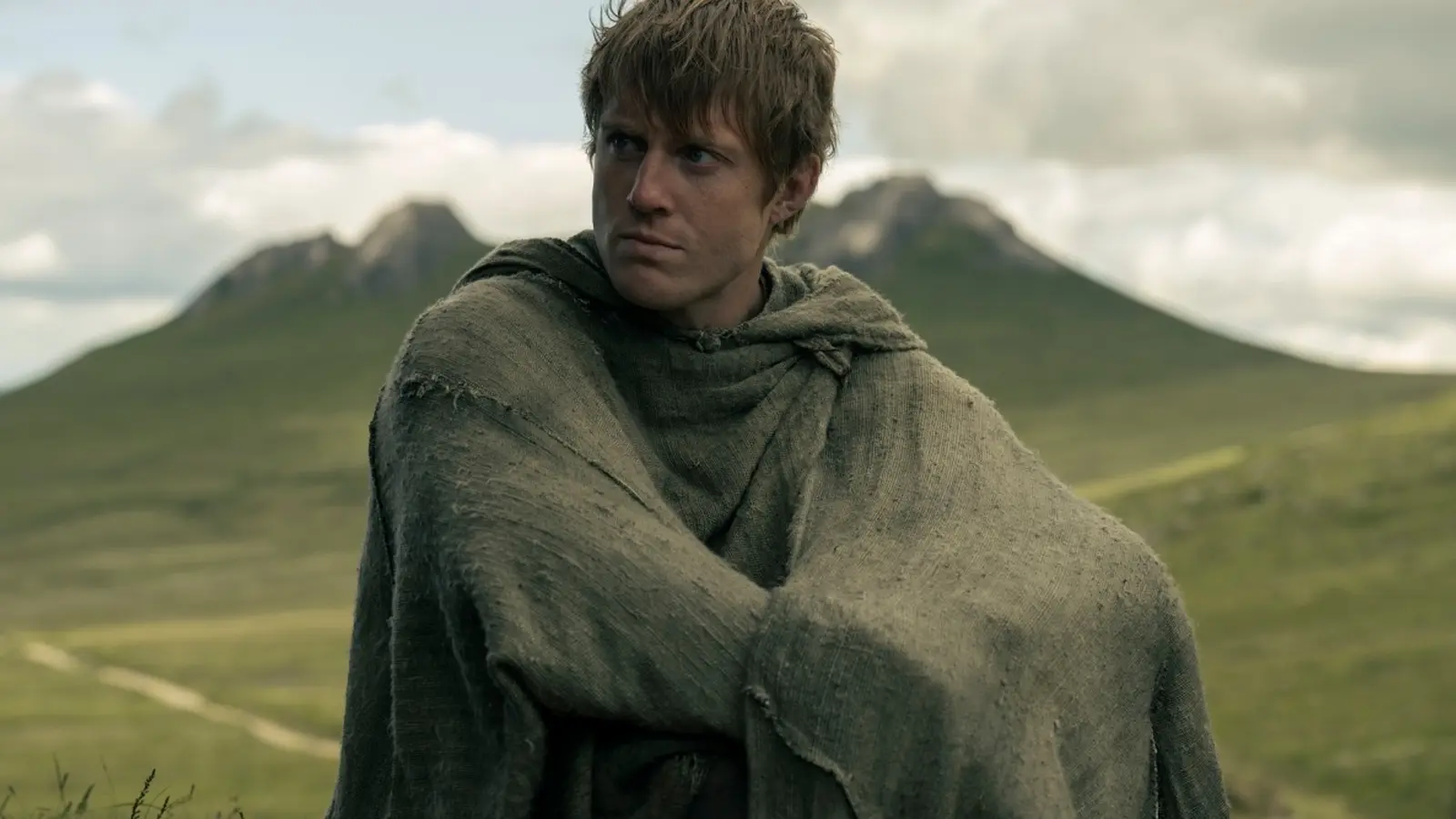
Aira Parker, co-creator and showrunner of A Knight of the Seven Kingdoms, has shed new light on what viewers can expect from season 2. In a recent interview she confirmed the next season will adapt George R.R. Martin's second Dunk and Egg novella, The Sworn Sword, and teased both tonal shifts and narrative directions that should excite fans of character-driven fantasy television.
Season 1 closed after the Trial of the Seven and left Dunk and Egg contemplating a journey south toward Dorne, and Parker confirms that trajectory: season 2 follows them into the Dornish lands. That destination suggests a different geography, warmer color palettes and a chance to explore new political and cultural textures of Westeros beyond the courtly intrigues that dominated Game of Thrones.
Tone and title: a lighter road for Dunk and Egg
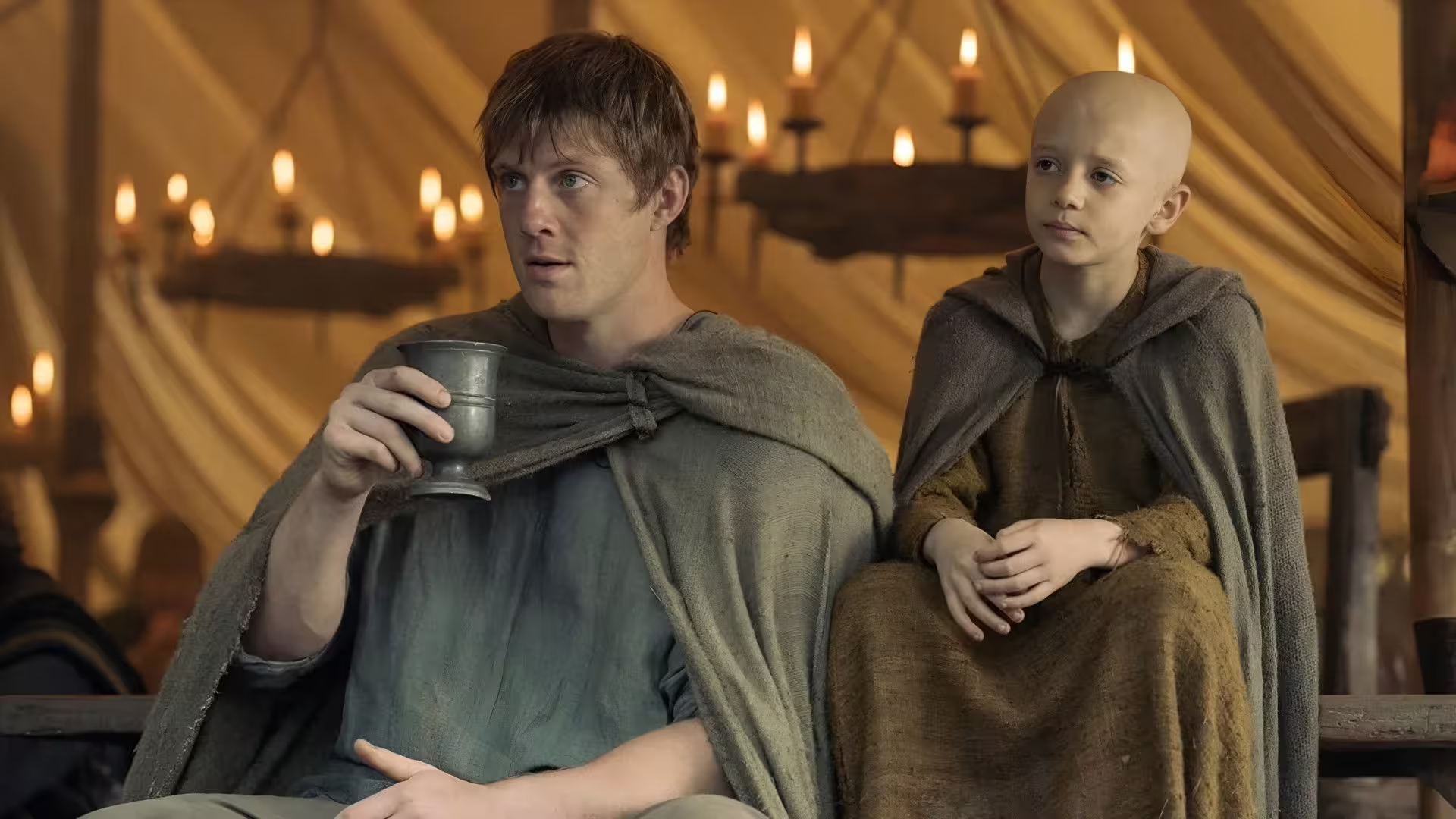
One of the most talked-about revelations from Parker was the creative conversation around titles. An early choice — A Knight of the Nine Kingdoms — was floated as a playful alternative, and writers debated using The Tales of Dunk and Egg or Dunk & Egg as the show name. George R.R. Martin reportedly asked the team to avoid the Dunk & Egg label, warning it might sound sitcom-like. Parker explained why they ultimately stuck with A Knight of the Seven Kingdoms: she wanted audiences to meet the show without a preconceived expectation of tone. The series, she says, leans lighter than many Game of Thrones-era productions, allowing comedy and human moments to coexist with high stakes and melancholy.
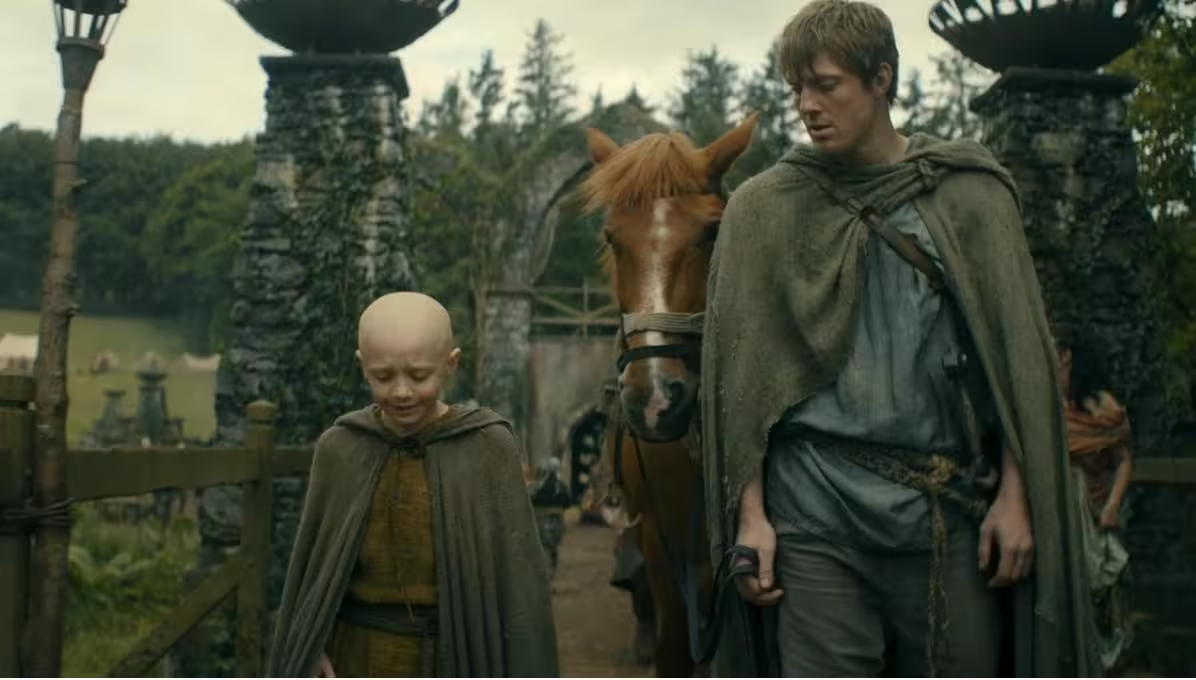
This tonal balance is significant. Unlike some prestige fantasy that foregrounds the machinery of power, A Knight of the Seven Kingdoms is deliberately told from the grassroots perspective of Ser Duncan the Tall (Dunk) and his squire Egg. Parker emphasized the importance of emotional release: even in tragic contexts, small moments of levity keep characters human and the story propulsive.
How faithful will the adaptation be?
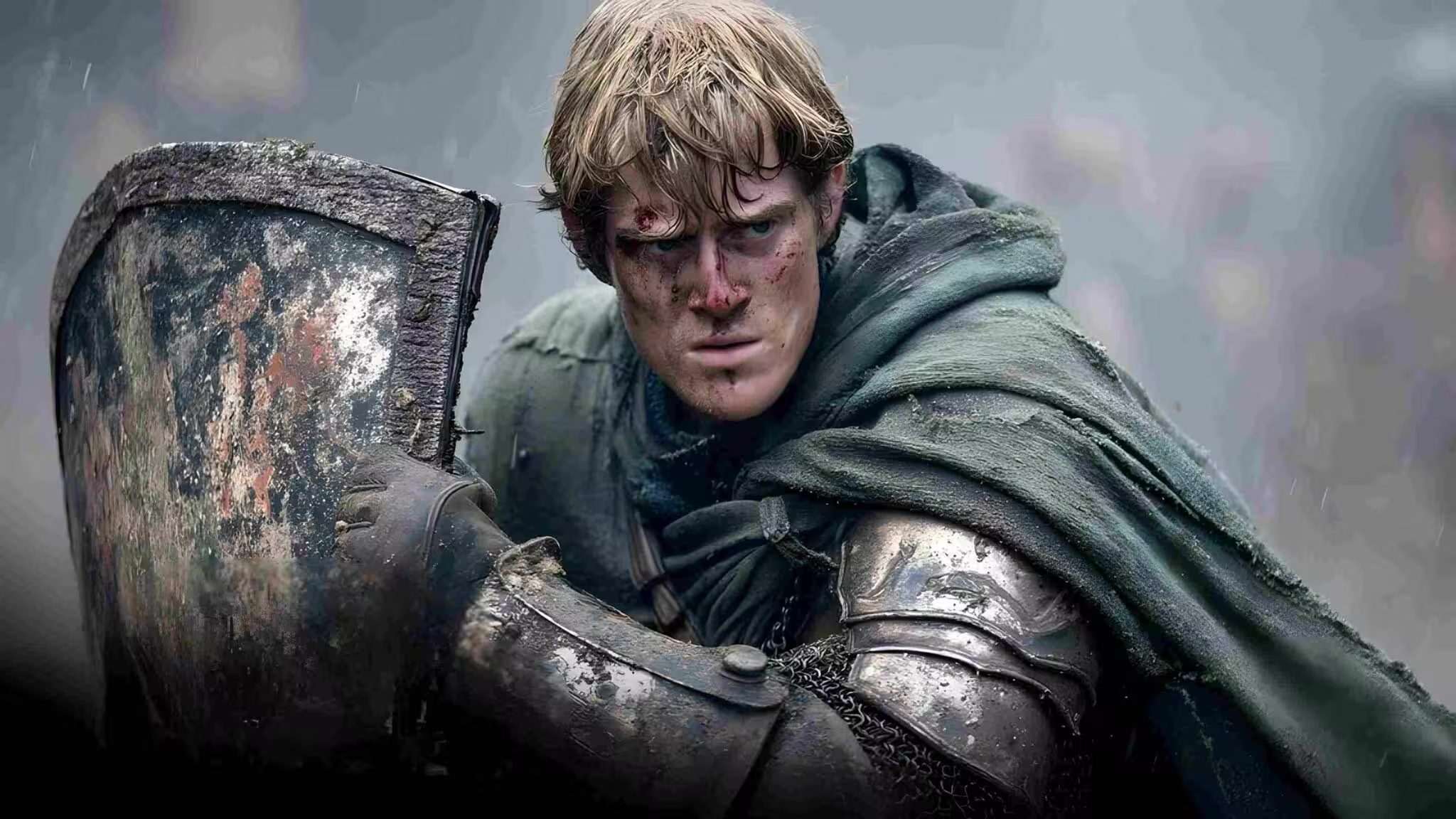
Parker stressed fidelity to Martin's short stories but resisted the idea of inventing a parallel epic. Season 1 adapted The Hedge Knight; season 2 will follow The Sworn Sword, and if a season 3 is greenlit, it would likely adapt The Mystery Knight. The creative team’s mandate was to expand atmosphere and character without betraying the core narratives — ‘‘as if Martin had written a novel instead of a short story,’’ Parker said.
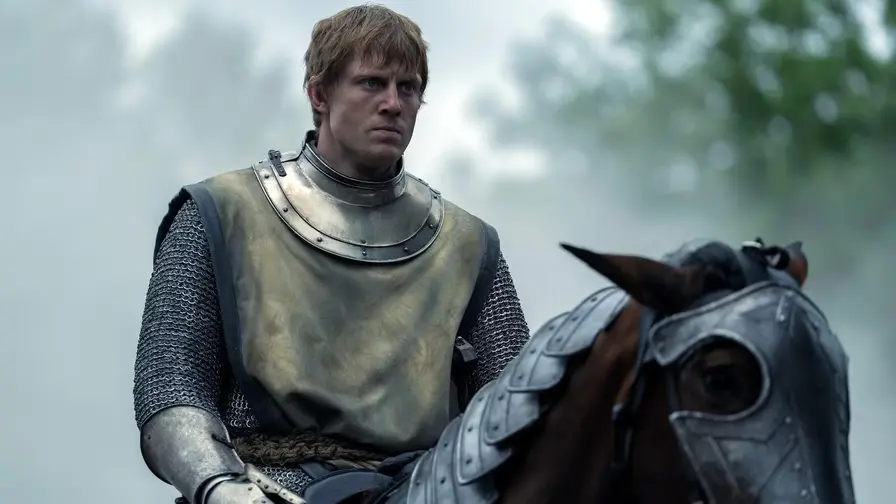
That approach aims to preserve the intimate, episodic nature of the Dunk and Egg tales. Each season is structured to tell a contained story — no cliffhanger tricks intended only to drive tune-ins. Parker also pointed out that even when background history, such as the Blackfyre Rebellions, looms, the show uses that past as texture rather than central spectacle.
Blackfyre Rebellions and historical texture
Expect season 2 to deepen the shadow of the Blackfyre Rebellions. Parker noted these civil wars have shaped Westeros for about 15 years at the time of Dunk and Egg’s adventures. While the show won’t pivot into a sprawling retelling of the rebellions, the consequences of that recent civil strife inform character motivations and local grudges. In practical terms, the rebellions act as a political background that makes seemingly small encounters feel consequential.
This is a smart tonal choice. While viewers of House of the Dragon saw how rebellions can dominate a series’ narrative, A Knight of the Seven Kingdoms chooses to show how history filters down into taverns, market stalls, and the lives of wandering knights — a more bottom-up worldbuilding strategy reminiscent of classic adventure dramas.
Characters, cameos and the Targaryen thread
The final shot of season 1 — with Micaer’s wagons moving and a Targaryen-related presence searching for Egg — implies future meetings with Targaryen characters are possible. Parker explained that while nobles, kings and queens are fascinating, this story is not about them. It’s Dunk’s vantage point that frames the plot. That said, Westeros is interconnected; characters from season 1 may reappear because relationships and wounds persist across regions.
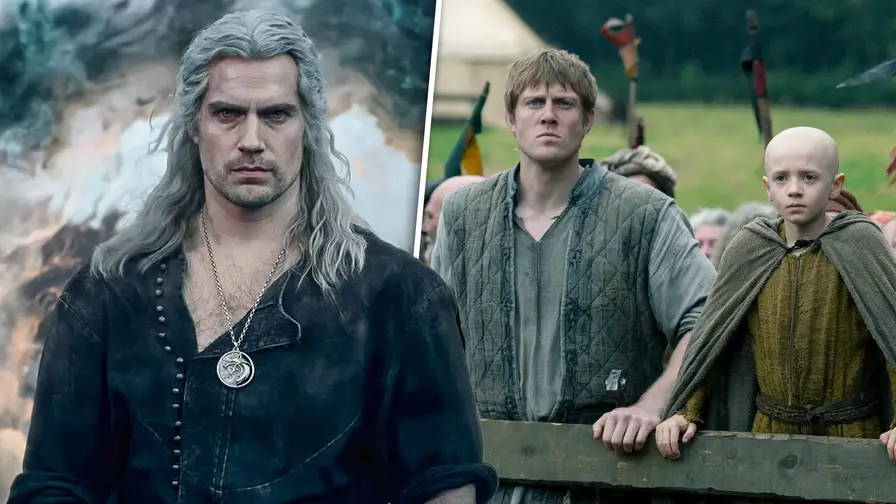
Comparatively, this method bears similarity to how anthology or spinoff shows have handled their source worlds: think of how Westworld or The Witcher move between intimate character arcs and larger mythic beats. A Knight of the Seven Kingdoms keeps its focus intentionally narrow while letting the wider mythos hover at the margins.
Format, runtime and production freedom

Parker confirmed season 2 will again be a six-episode season. HBO has allowed the creative team flexible episode lengths — roughly 30 to 60 minutes depending on each episode’s needs — an increasingly common approach for prestige TV that prioritizes narrative pacing over rigid runtime constraints. This flexible structure supports a novella-style storytelling rhythm: compact seasons that feel like a complete book.
On the production side, the team aims to avoid sending the characters on irrelevant side quests. Parker insisted the show will keep adventures contained and purposeful, preserving the forward momentum of Dunk and Egg’s personal story.
Fan reaction, community and behind-the-scenes trivia
Fan communities have already reacted strongly to the tonal revelations. Some longtime readers welcomed a lighter, adventure-first adaptation, while purists debated the choice not to foreground aristocratic power plays. Trivia-minded viewers might enjoy that the Dunk and Egg stories were written decades earlier as a deliberate counterpoint to sprawling epics — they were meant to read like episodic medieval adventures.
Behind the scenes, Parker admits she debated the show’s title late into production; her assistant convinced her that Dunk & Egg might miscast expectations. That small anecdote underlines a bigger truth about adaptation: single-word choices can steer audience assumptions before the first frame is seen.
"A Knight of the Seven Kingdoms succeeds because it treats Martin’s world with humility — not grandiosity," says cinema historian Marko Jensen. "By foregrounding character over courtly spectacle, the show captures a quieter, more human side of Westeros that is rare on-screen."
How season 2 could fit the wider TV landscape
In an era where streaming audiences reward both serialized epics and compact, character-driven seasons, A Knight of the Seven Kingdoms finds a comfortable middle ground. Its six-episode arcs, clear source material and HBO backing place it alongside other successful short-season high-concept series. For audiences fatigued by labyrinthine plotting, Dunk and Egg’s adventures offer slender, satisfying narratives with a strong emotional core.
If you loved the heart and wandering knight energy of season 1, season 2 promises a deeper dive into Dorne, sharper emotional stakes, and the continuing ripple effects of historical conflicts. It’s a reminder that even in a world known for its dynastic drama, small stories can deliver big resonance.

Leave a Comment
Comments (2)
hmm, faithful to the novellas sounds nice, but can 6 episodes really do The Sworn Sword justice? feels risky to compress, hope they avoid padding and keep it tight
wow ok Dorne!! didn't expect a lighter tone, but sounds fun. please let Dunk be awkward and sweet, no extra big cliffhanger pls. curious about the Targ thread...