
3 Minutes
When the curtain fell on Westeros
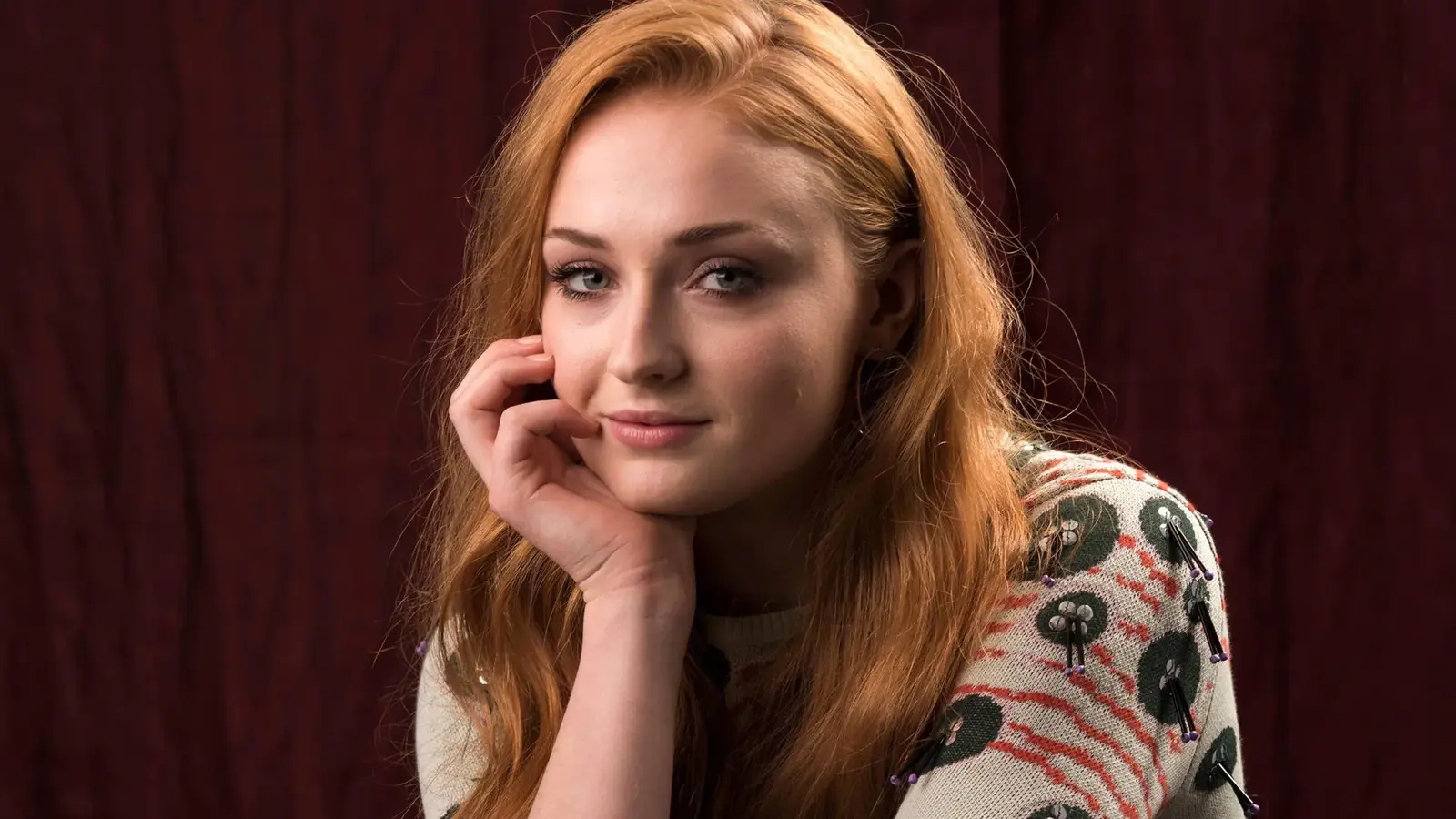
Game of Thrones left a cultural imprint few TV dramas have matched, but its final act continues to divide viewers and actors alike. Recently Sophie Turner, who played Sansa Stark, reignited the conversation by suggesting that many cast members were dissatisfied with how their characters' arcs concluded. Her remarks arrive as fans and critics still debate the legacy of the HBO finale.
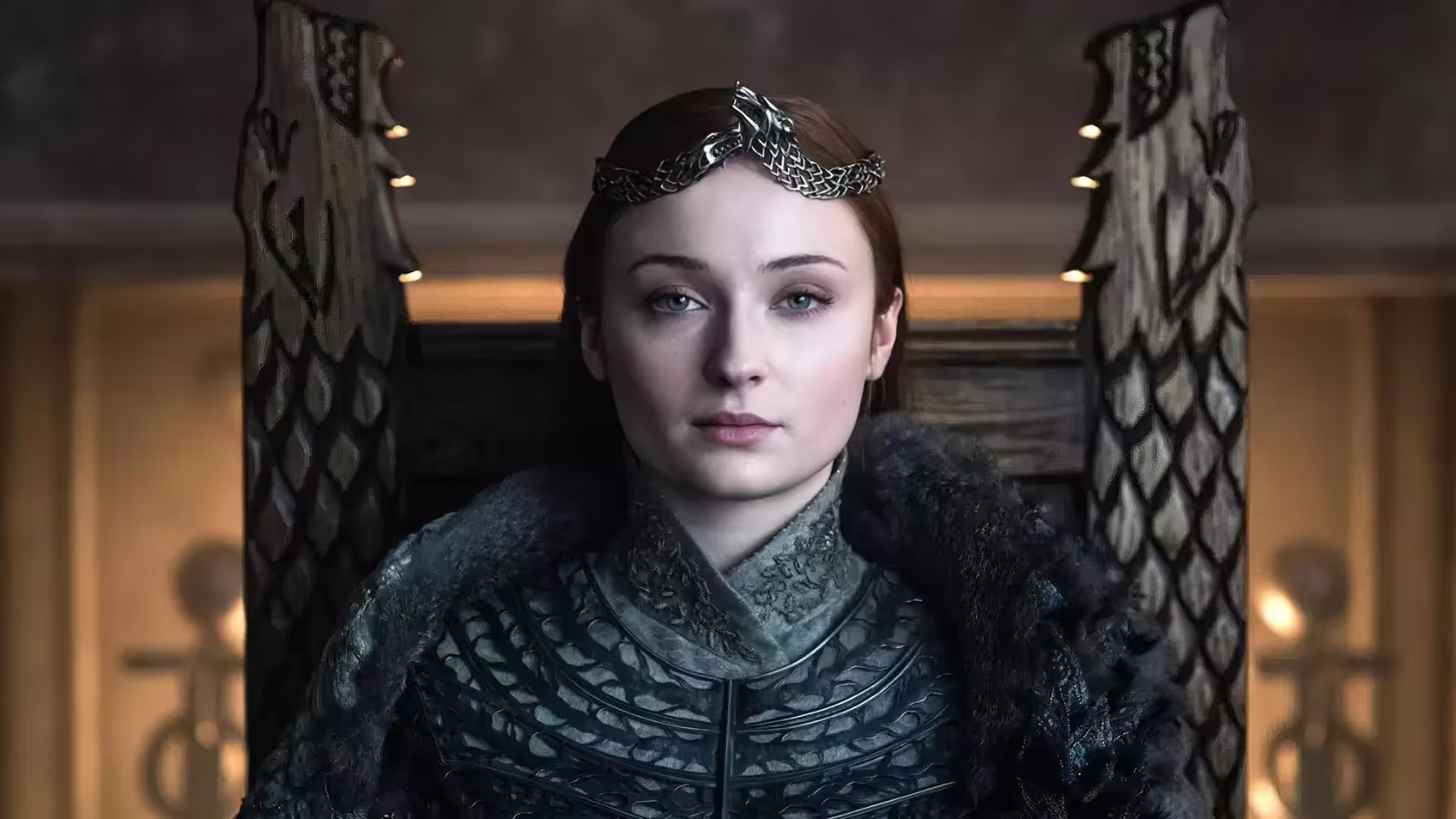
Turner said she personally found satisfaction in Sansa's ending—an arc that culminated in the North's independence and a clear assertion of Sansa's agency. Yet she also hinted that this happiness was an outlier: in her view, many of her colleagues felt their stories were cut short or mishandled. That candid observation echoes earlier public grumblings from co-stars such as Conleth Hill, who has been openly critical of Varys' abrupt departure and the writing choices that led to it.
Context: finales, expectations, and auteur choices
No series finale can please everyone, but Thrones' ending stands out because of the show's scale and the gap between source material and television completion. Unlike shows that finish on the creator's timetable, Game of Thrones accelerated past George R.R. Martin's novels and relied heavily on the showrunners' vision. This parallels other controversial exits in TV history—shows like Lost and How I Met Your Mother faced comparable backlash when audiences felt payoff was inadequate. The lesson for serialized, big-budget drama is clear: narrative payoff must match buildup, especially when decades of fan investment are involved.
Behind the scenes, fan reaction, and the idea of sequels
Behind the camera, actors' responses matter as much as fan forums. Turner’s balanced take—content with Sansa but uncertain about a return—adds nuance to headlines. She cautioned that a revival or sequel could either be rewarding or a futile attempt to recapture a lightning-in-a-bottle magic that can’t be reconstructed. With George R.R. Martin and HBO reportedly exploring follow-up projects, those comments are a timely reminder of the risks of franchise extensions.
Fans continue to dissect scripts, costumes, and even posture in final scenes; the fandom's fervor keeps the debate alive on podcasts, Reddit threads, and video essays. Critics also point out that Thrones changed how television treats cinematic production values and ensemble storytelling, even if its final season faltered in satisfying narrative closure.
Comparisons and critical perspective
Compared to other prestige dramas, Thrones excelled in world-building and character design but stumbled when closure demanded swift narrative turns. Where shows like The Sopranos or Breaking Bad tied character arcs tightly to thematic payoff, Thrones sometimes prioritized spectacle over emotional logic. That does not erase its achievements—costume design, production scale, and moments of real character triumph remain standouts.
'Cinema historian Marko Jensen believes the controversy is part of Thrones' long-term legacy. He notes, 'Controversial endings often cement a show's cultural importance; debate keeps the series alive in public memory. In that way, a divisive finale can be as significant as a universally praised one.'
Turner's careful openness about returning—only if presented with an 'extraordinary' script—mirrors a broader industry trend: actors want meaningful, well-crafted material, not mere brand extensions. As studios mine popular worlds for sequels and spin-offs, the Thrones case will likely be studied by writers and producers aiming to balance fan service and strong storytelling.
In the end, the debate over Game of Thrones' finale is far from settled. Turner's comments add another layer to the conversation: satisfaction for some, disappointment for others, and an ongoing question about how big shows should honor long-term storytelling.

Leave a Comment
Comments
No comments yet. Be the first.