
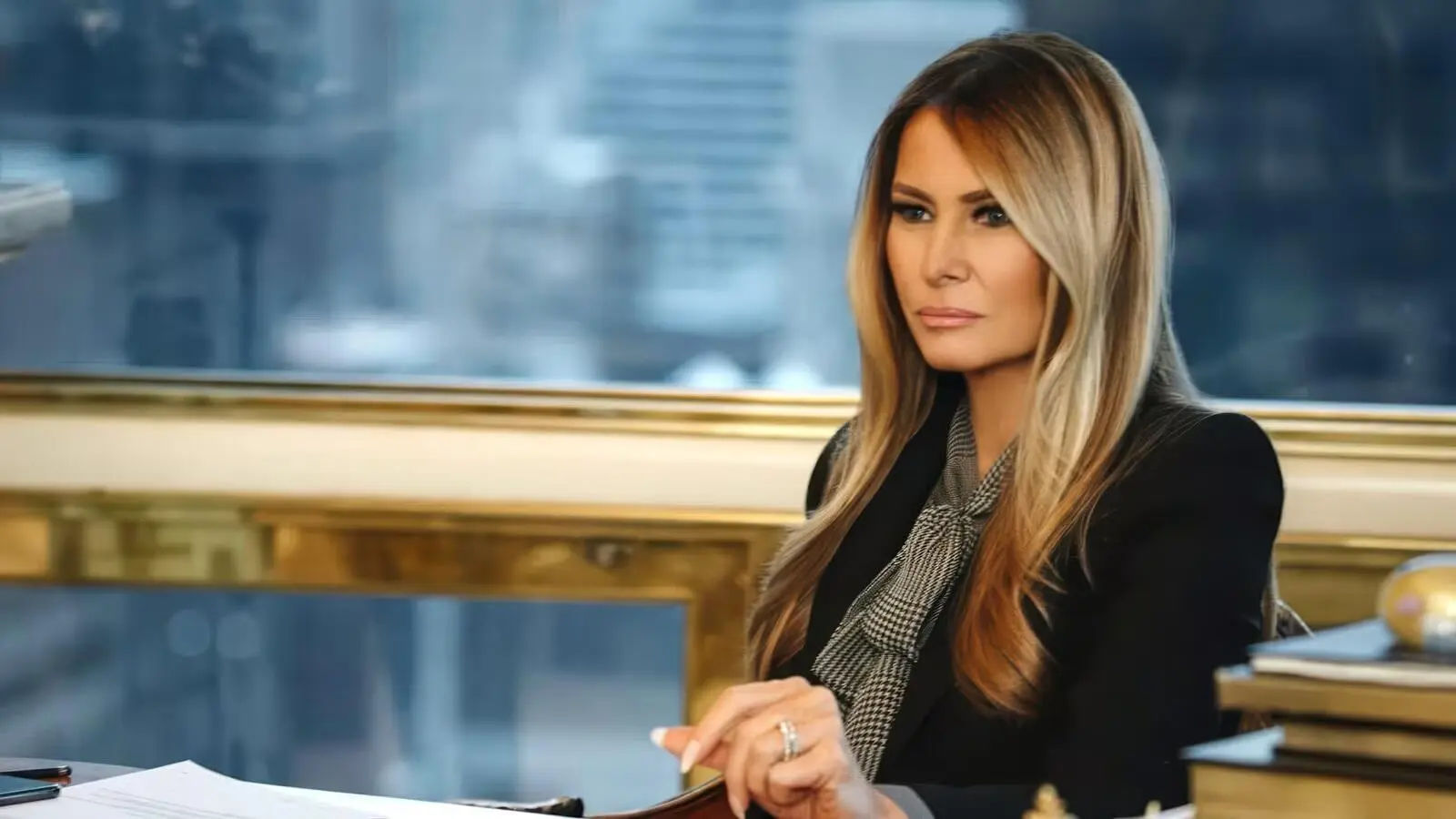
Controversy, a big budget and a tiny Rotten Tomatoes score
The new documentary Melania — centered on former First Lady Melania Trump and directed by Brett Ratner — has ignited controversy long before most viewers had a chance to see it. Promoted as a behind-the-scenes portrait of a high-profile political spouse returning to public life ahead of a potential 2025 White House run by her husband, the film landed with a thud among critics: at the time of writing it sits at roughly 8% on Rotten Tomatoes.
A number of factors helped shape that outcome. The project’s production value and scope are notable—reported at a $75 million budget and cleared for release in more than 1,500 theaters—yet critics argue that production scale did not translate into insight. Many reviews called the film thin, padded, and closer to promotional material than investigative cinema. Leading outlets used blunt language: some labeled it shamelessly partisan, others dismissed it as an endless, tedious exercise that fails to illuminate its subject.
Early screening drama at the Kennedy Center
One of the first public signals that something was off came when Amazon reportedly barred mainstream journalists from viewing the premiere screening at the Kennedy Center. Media access was restricted, and many reporters who hoped to attend the opening screening found themselves shut out. That decision fed narratives about the film’s intent and transparency, and it set an adversarial tone before most critics even evaluated the edit.
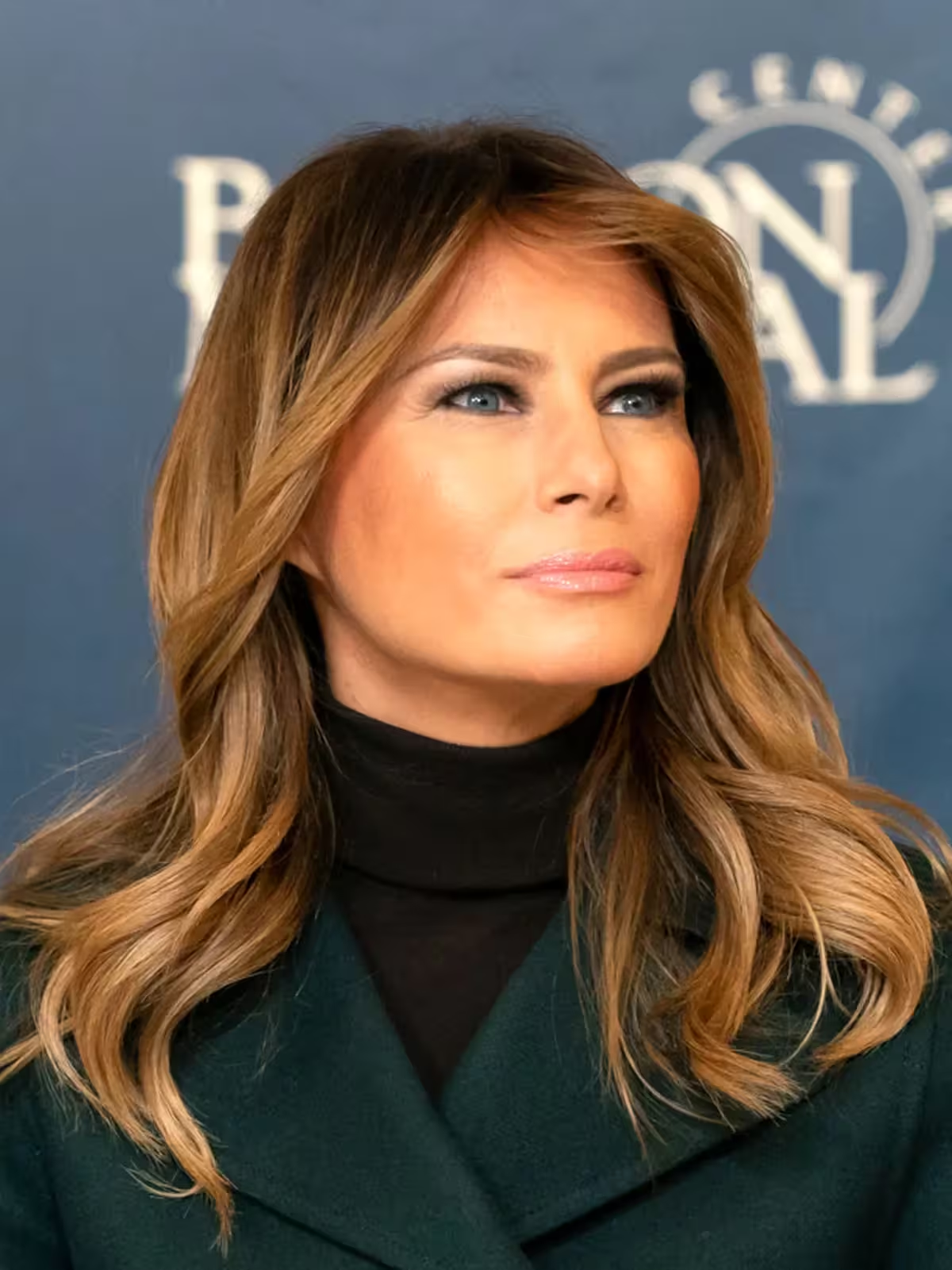
Critical response and context in political documentary filmmaking
The backlash has been harsh in some corners. Major publications accused Melania of functioning as a political advert rather than a documentary; others criticized its pacing and lack of concrete revelations about its subject. The Guardian’s review was especially scathing, while The Atlantic called the film shameful. Yet the London Evening Standard offered a more measured take, awarding three stars out of five and urging viewers to approach the film with an open mind, even praising the former First Lady’s on-screen presence.

When placed alongside successful political or biographical documentaries, Melania highlights the difference between access and storytelling. Films like The War Room or Framing Britney Spears turned archival material and interviews into gripping narratives that revealed new contexts. Melania, by contrast, demonstrates that unfettered access and a large budget cannot substitute for narrative tension, investigative rigor, or clear editorial perspective.
Director and industry angle
Brett Ratner is best known for blockbuster commercial fare rather than intimate political documentaries; his involvement has been a lightning rod due to his controversial reputation in Hollywood. Whether his mainstream sensibilities could have been an asset or a liability for this subject depends partly on audience expectations: voters and political junkies often want analysis and scoop, while celebrity-focused viewers may expect humanizing moments.
Audience reaction and fandom
On social platforms, reactions split predictably along political lines. Some viewers defended the film as a sympathetic portrait unfairly attacked by critics; others watched it with the express intent of disliking it. That polarized preconception likely helped amplify negative reviews: when an audience approaches a film already mistrustful, critics’ verdicts can become a confirmation loop rather than an independent assessment.
"Melania's release is a reminder that platform and budget can't replace editorial point of view," says film historian Anna Kovács. "The documentary needed a sharper narrative spine; without it, even spectacular production values feel hollow."
Despite its poor critical reception, the film's broad theatrical rollout and high-profile subject mean it will be discussed in cultural and political circles for some time. The real question for documentary makers: how do you craft an engaging political portrait that earns trust on both editorial and audience fronts? Melania may serve as a case study in the limits of access without critical distance.
In short, Melania is a reminder that big budgets and star subjects don’t guarantee persuasive cinema. For viewers interested in political documentaries, the film’s reception underlines the continuing demand for clarity, courage and narrative craft in nonfiction storytelling.

Leave a Comment
Comments (2)
seems overhyped, feels like a glossy press release for the Trumps. if you want real insight, look elsewhere. 8% kinda deserved
wait 75M and they give us fluff? is this even a documentary or just PR with fancy camera work... felt hollow, no real scoop, kinda wasted budget