
3 Minutes
Smart's tiny mid-engine icon could return — reborn
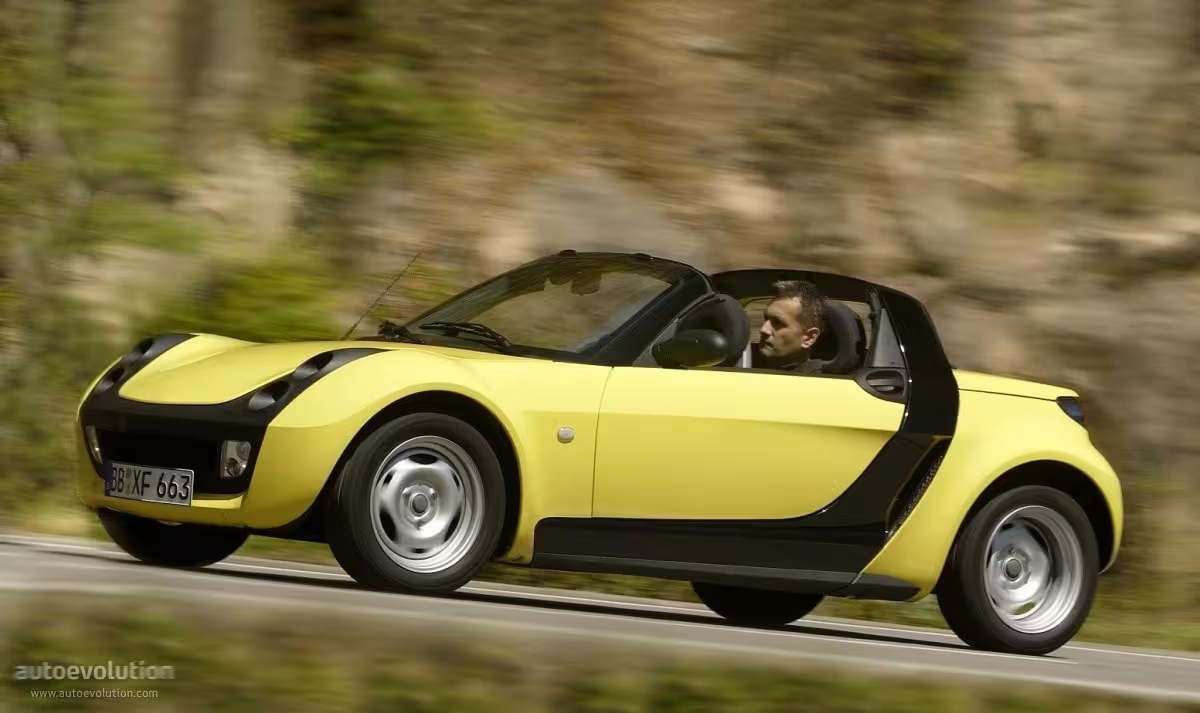
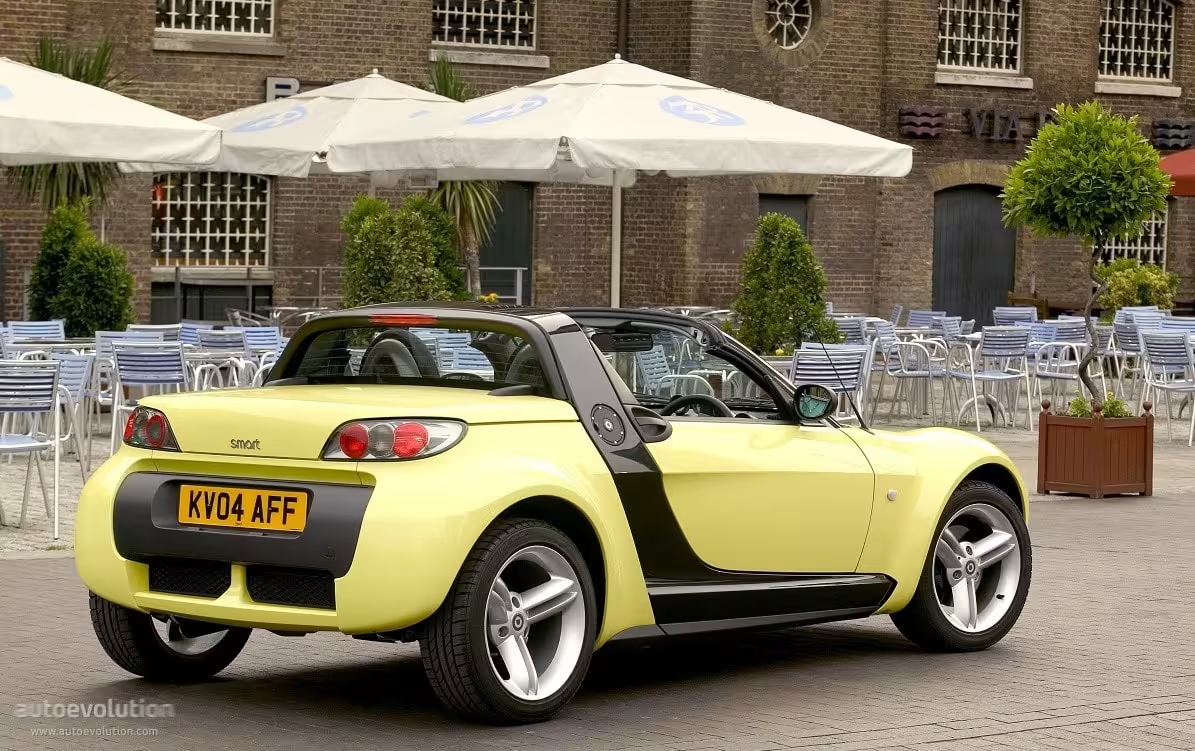
The Smart Roadster was always a curious blend of city-car economy and small-batch sports-car character. Built in Hambach, France, between 2002 and 2005, the original Roadster wowed enthusiasts with a true mid-engine, rear-wheel-drive layout and a featherweight curb weight. Now, reports and design renderings suggest Smart is considering a comeback for the Roadster name — this time with a decidedly modern, digital and possibly electrified twist.
Why the Roadster matters
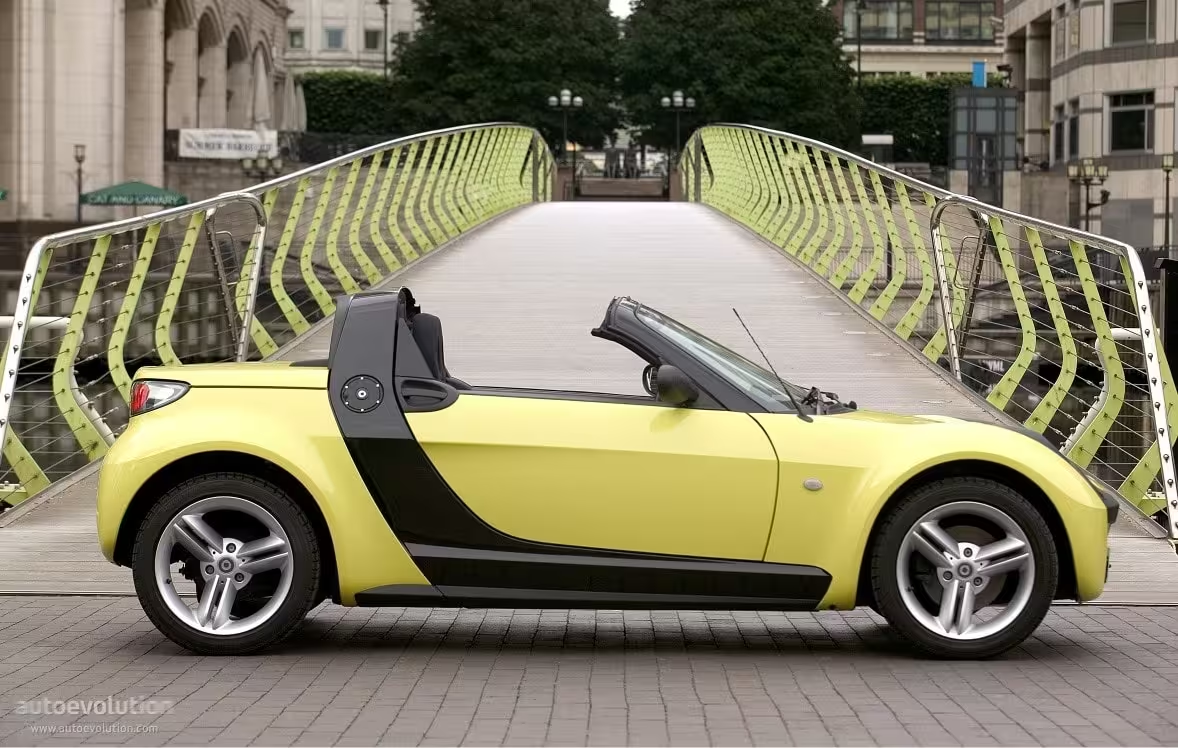
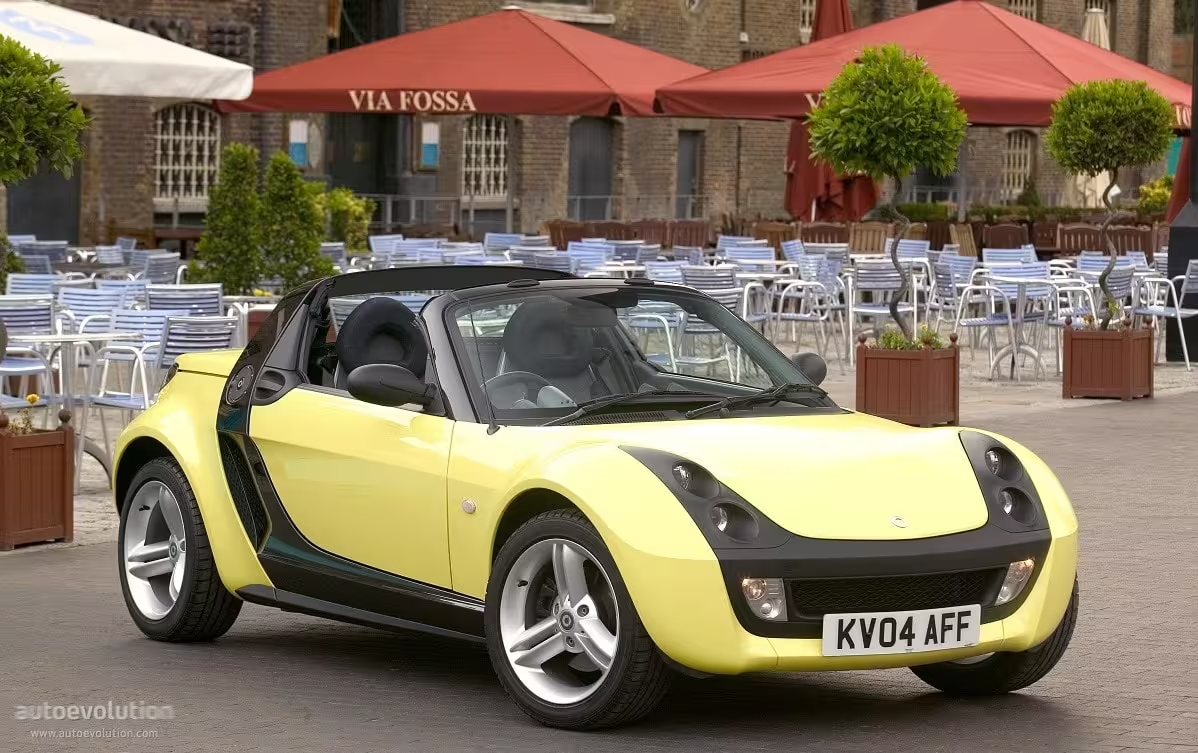
The first-generation Roadster was tiny even by city-car standards: 134.9 inches (3,427 mm) long, 63.6 inches (1,615 mm) wide and 46.9 inches (1,192 mm) tall, with a 92.9-inch (2,360 mm) wheelbase. At only 1,742 lb (790 kg), it was significantly smaller than many superminis, and even shorter than the old Volkswagen Polo. Although its 698 cc engine only produced 60–80 hp, the Roadster’s layout and light curb weight delivered nimble handling that belied its modest power figures. Roughly 43,000 units were produced, and the model still carries cult appeal among collectors.
What a modern Roadster could be
Smart’s next-generation Roadster is not official, but designers and fans have imagined several directions: a pure electric roadster, a hybrid with the internal-combustion engine retained behind the seats, or a performance-lite hybrid that blends a compact ICE with electric drive.
Key considerations for a modern take:
- Maintain light weight: the original's 790 kg curb weight was central to its agility.
- Preserve the mid-engine character: placing the ICE behind the cabin would be a nod to the classic layout.
- Consider hybrid AWD: a small engine powering the rear axle and an electric motor up front could deliver modern traction and performance without adding excessive mass.
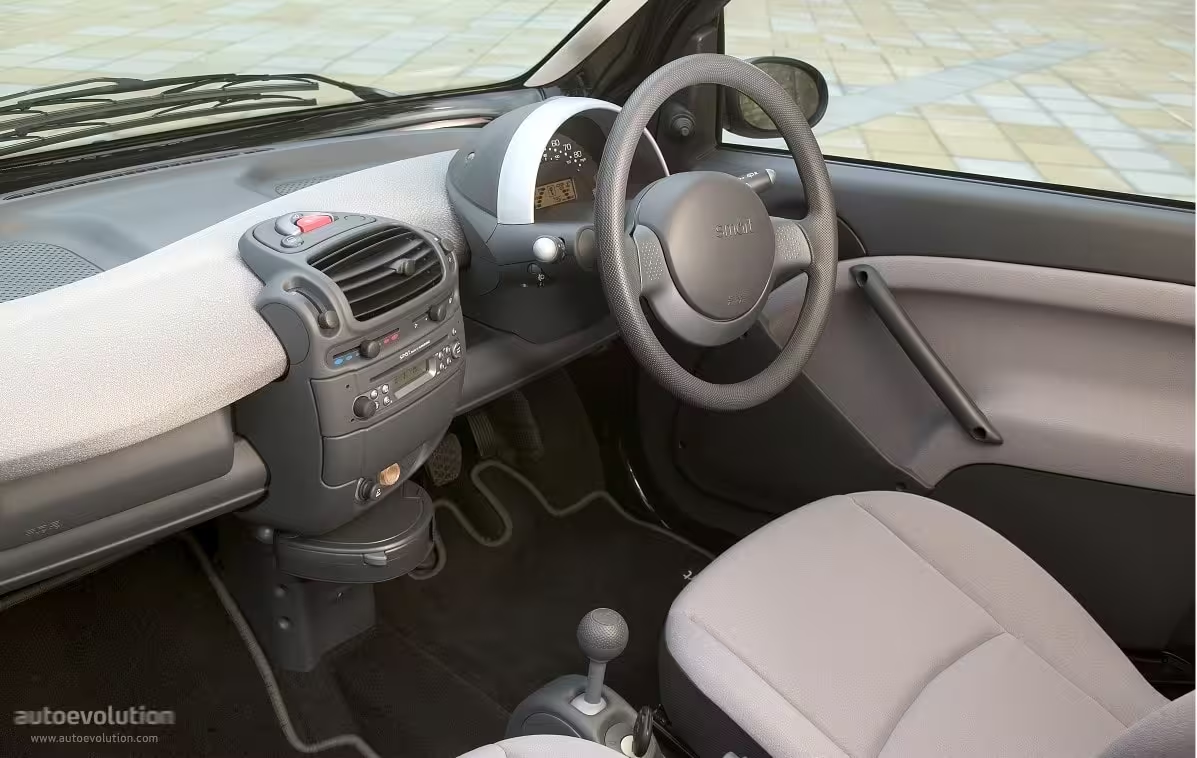
- Digital-first interior: updated infotainment, lightweight displays and connectivity to position the Roadster as a 'digital sports car' aimed at younger buyers.
Powertrain possibilities and market context
Pure EV is one option, but automakers face headwinds in some markets where EV uptake is uneven. A hybridized solution — a tiny turbocharged engine paired with an electric motor — seems plausible as a compromise between performance, range, and production cost. For performance-minded variants, combined output could easily top the modest 80 hp of the original, while still benefiting from instant electric torque.
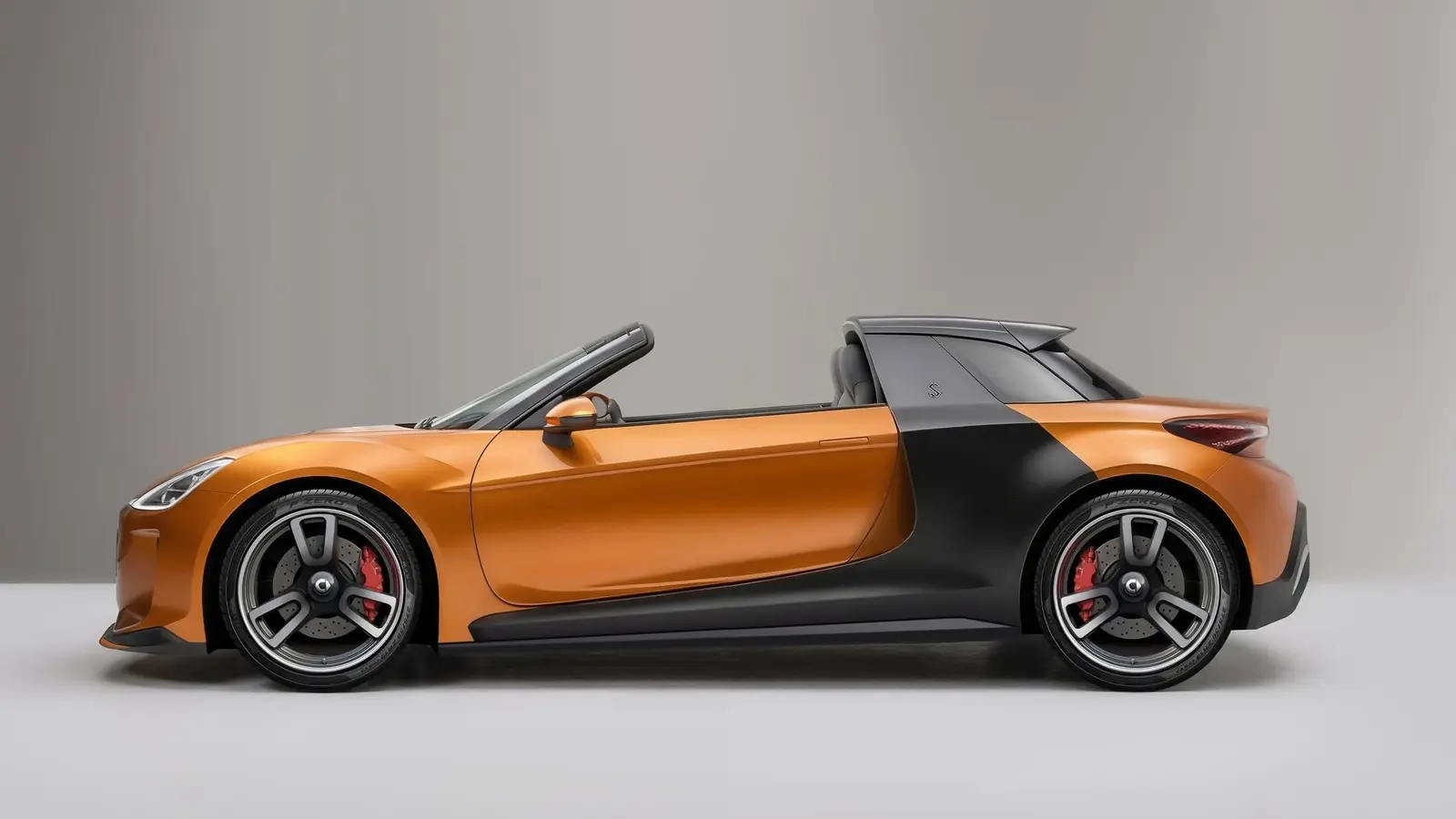
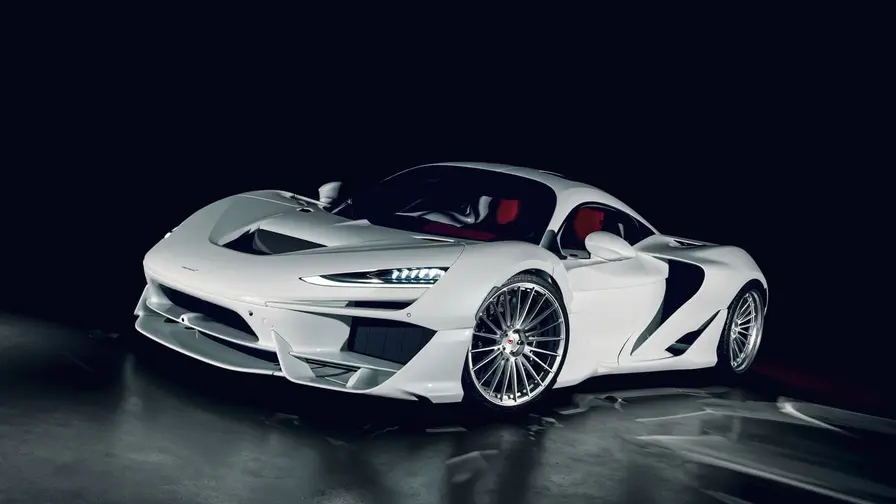
Critically, any modern Roadster must resist the urge to grow too large. Recent CGI renderings (notably by @sassano_design on Instagram) show an evolutionary styling that many find appealing — but the design also looks larger and heavier than the classic, which could undermine the car’s raison d’être: lightweight agility.
Design, positioning and competition
A reborn Roadster would sit in an unusual niche: more playful than a hot hatch, more affordable and accessible than exotic sports cars. It could compete with lightweight performance cars and niche EV roadsters, carving a space as a compact, digital-first sports car for urban buyers who still crave engaging dynamics.
Highlights:
- Classic mid-engine feel with modern hybrid or electric assistance
- Compact footprint ideal for city life
- Emphasis on handling over outright power
Would you want Smart to revive the Roadster? If Smart keeps the car light, honors the mid-engine layout, and balances electrification with a realistic price, a modern Roadster could be a compelling, fun daily driver for enthusiasts — a true digital sports car for the masses.
Questions for readers
What powertrain would you prefer: full EV, hybrid with a rear-mounted ICE, or a small internal-combustion revival? Share your pick and why.


Leave a Comment
Comments
No comments yet. Be the first.