
3 Minutes
A modern Spider on screen, not the showroom
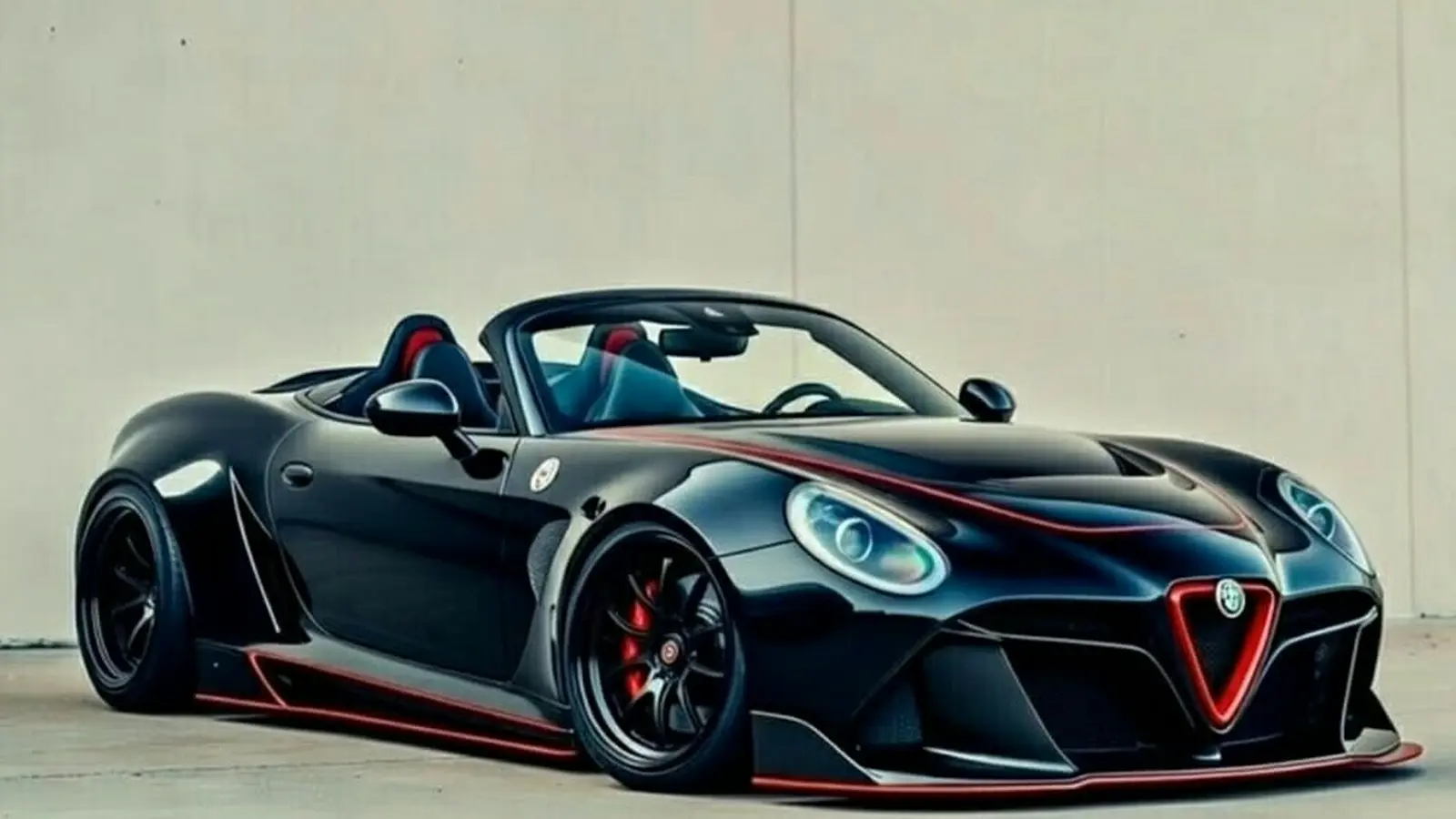
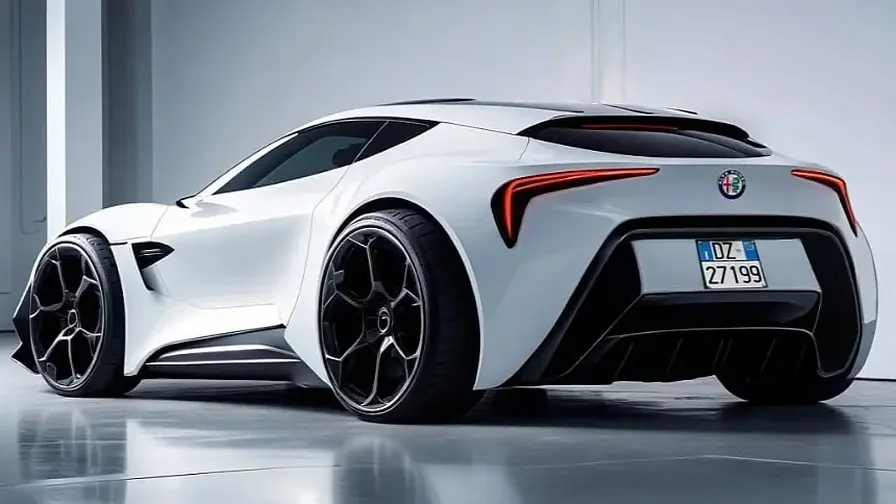
A fresh CGI rendering of an Alfa Romeo Spider is making the rounds on Instagram, and it has sparked the familiar mix of hope and skepticism among car enthusiasts. This is not a production announcement — it’s a design exercise by @cool.car.design — but it does reopen the conversation about whether Alfa Romeo could, or should, bring back an open-top Spider for today’s market.
Lineage and platform realities
The last true Alfa Romeo Spider was the Brera-based convertible produced in Turin between 2006 and 2010. The Brera’s coupé styling was penned by Giorgetto Giugiaro at Italdesign, while the Spider came from Pininfarina and Centro Stile Alfa Romeo. Underneath sat the GM/Fiat Premium architecture — a platform that also underpinned the Alfa 159 and, later, informed segments of the brand’s lineup.
Fast-forward to today: any realistic Spider revival would likely need to rely on the Giorgio architecture that supports the Giulia and Stelvio. Giorgio dates back to the FCA era and also carries chassis DNA into Maserati models like the Grecale, GranTurismo, and GranCabrio. The problem is practical: Giulia and Stelvio are near the end of their current lifecycle, and Giorgio is a legacy rear-/all-wheel-drive platform in an industry shifting rapidly toward electrification.
Key platform takeaway
- A faithful, rear-drive Spider would be easiest to build on Giorgio — if Alfa has access to it.
- Investing in a bespoke electric convertible or a new modular EV platform would be far costlier.
What the rendering shows
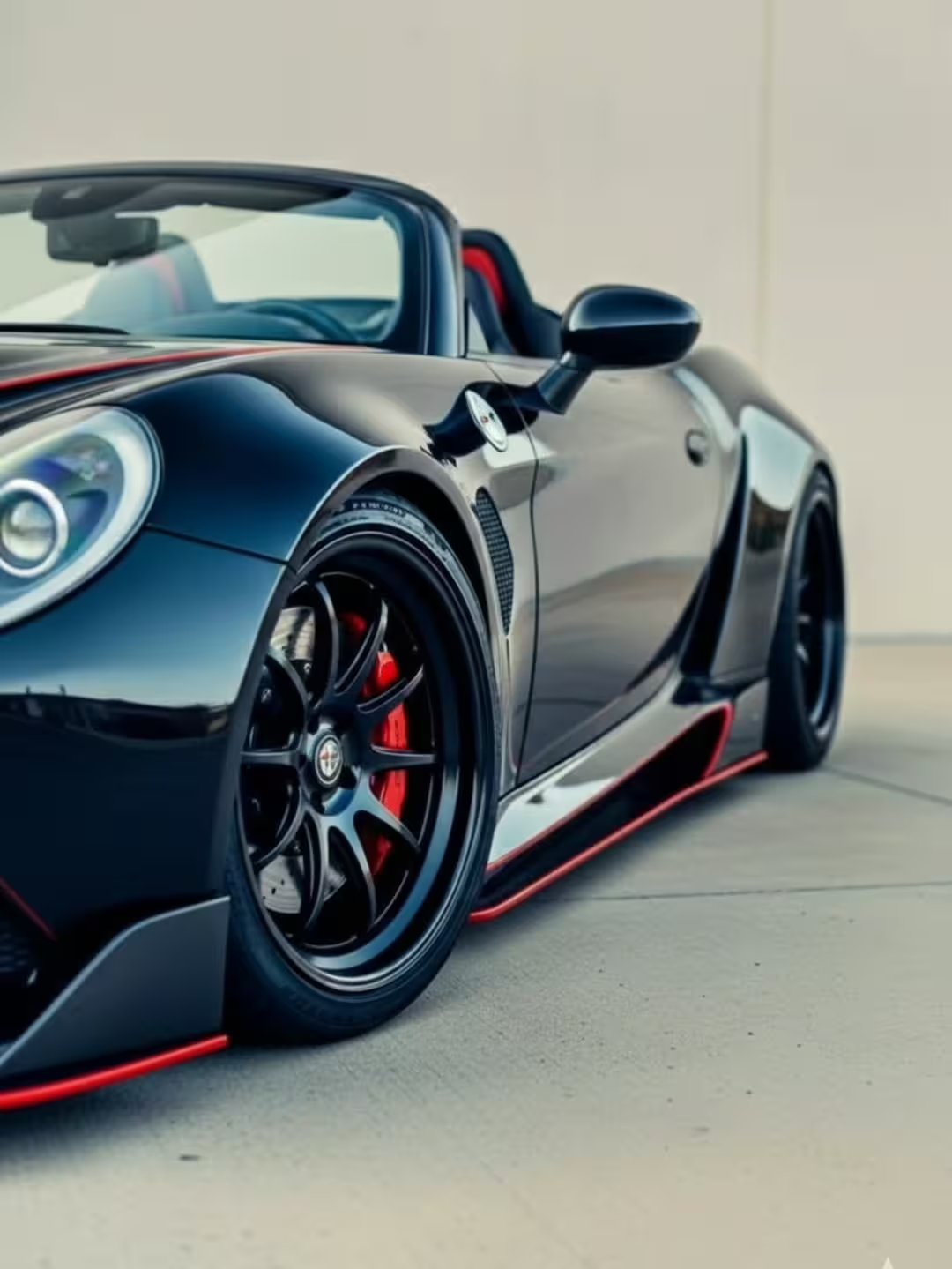
The concept image is compact — much smaller than the Brera-derived Spider. Its proportions reminded several viewers of the discontinued MiTo supermini rather than a premium GT convertible. Styling cues nod to recent Alfa models: the signature shield grille and triangular headlights, plus circular rear lights that echo the 4C. Yet remove those distinct elements and the silhouette could easily pass for an anonymous small roadster.
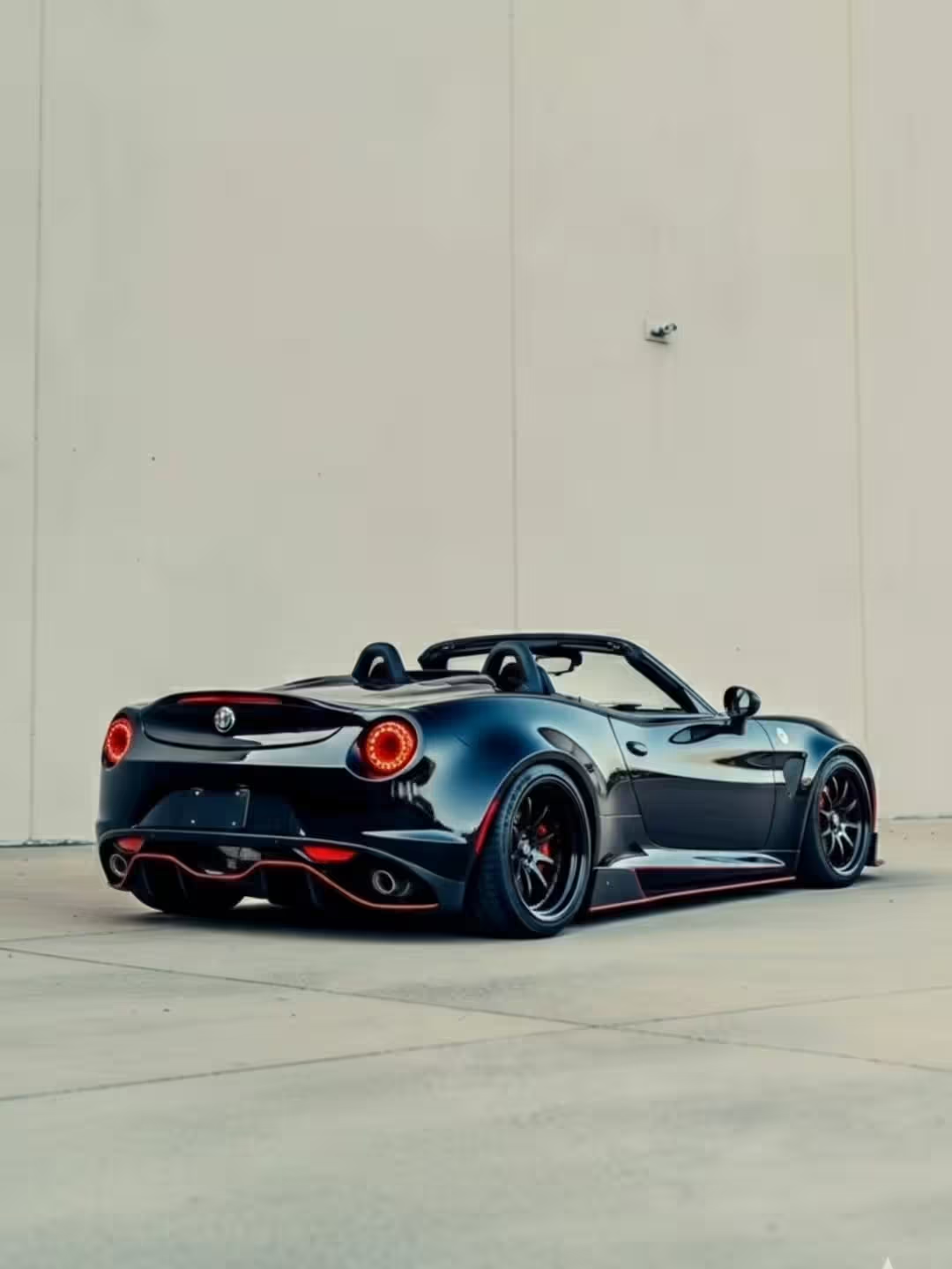
That raises both design and market questions. A smaller, premium two-seater might be more characterful and true to Alfa’s sporting heritage. But niche sports cars often carry high price tags relative to their size, which can limit buyer appeal and production volume.
How it would sit in the market
This hypothetical Spider would not be a direct rival to the BMW 4 Series Convertible or the Mercedes CLE Convertible. Instead, it would likely occupy a lower, more boutique tier — a compact premium roadster with limited sales potential. Compare it to the 4C: lightweight, focused, and visually distinct, but commercially modest.
Quote: 'Anything other than another SUV from Alfa would be a refreshing move,' says one enthusiast on social media — a sentiment that underscores why renderings like these ignite imaginations.
Would Alfa Romeo benefit from reviving the Spider?
Pros:
- Reinforces Alfa’s sporty brand DNA.
- Generates excitement and halo effect for the product line.
Cons:
- High development cost vs. small market.
- Platform constraints and transition to electrification complicate a gasoline-powered revival.
Final thought
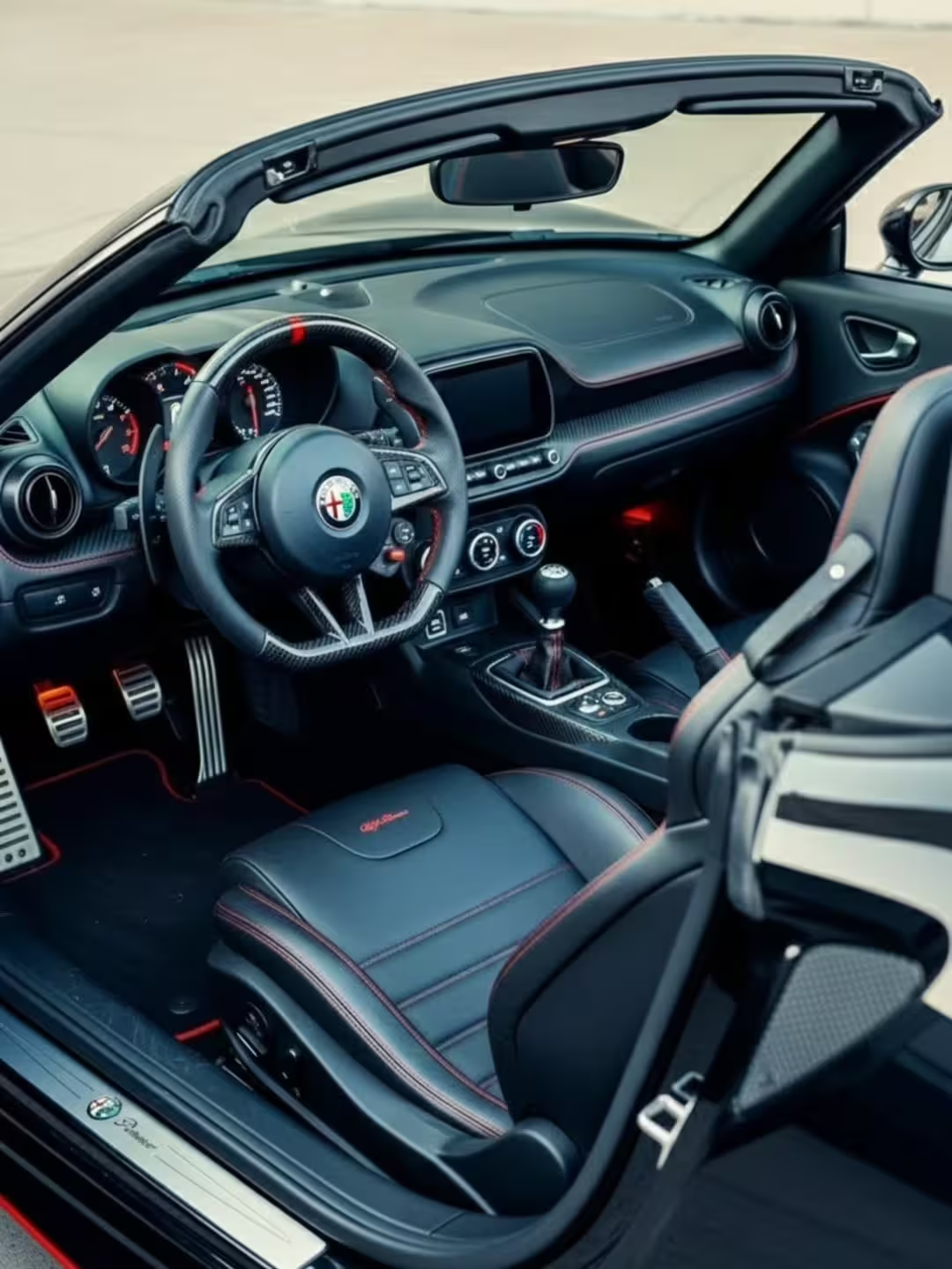
This rendering is a fun reminder of what Alfa Romeo once offered: passionate design and driver-focused machines. Whether a modern Spider would be practical or profitable is another question. If Alfa wants to reconnect with purists, a limited-run, well-engineered roadster — gasoline or electric — could do the trick. But until Alfa announces plans, these digital renderings remain an appealing 'what if' for fans.
Would you buy a compact, premium Alfa Spider if it looked like this? Share your thoughts — the debate itself is part of the fun.

Leave a Comment
Comments
No comments yet. Be the first.