
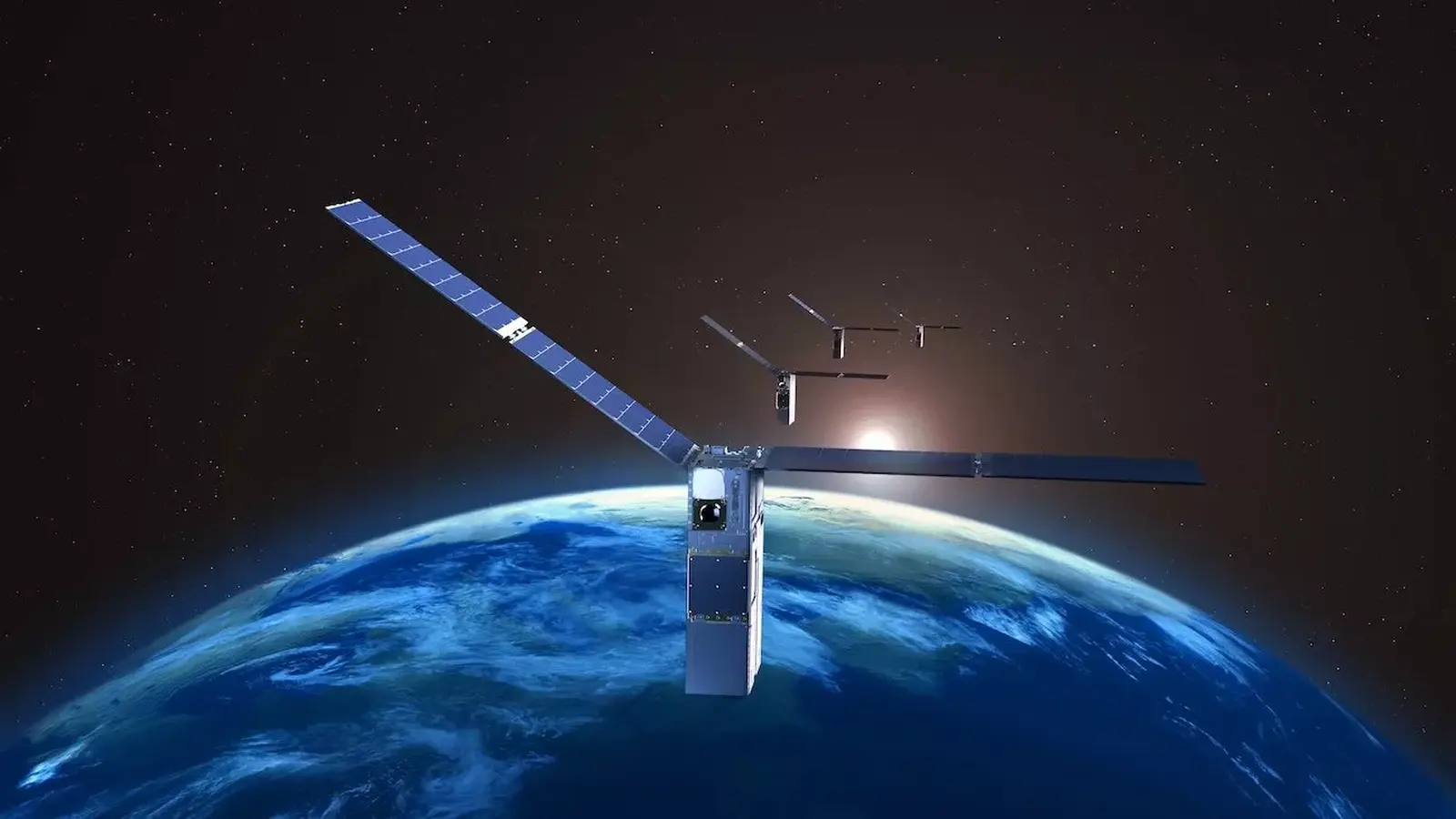
Imagine a truck-sized device that can blind satellites without a single missile launch. That is the image circulating after Chinese researchers described a powerful new high-power microwave (HPM) weapon, the TPG1000Cs, which they say can fire 20-gigawatt energy pulses for as long as 60 seconds.
The claim is stark. Built by the Northwest Institute of Nuclear Technology (NINT), the system is presented as a compact directed-energy platform — about four meters long and weighing roughly five tons — light and small enough, according to the researchers, to be mounted on trucks, warships, aircraft and even satellites. If true, it would represent a leap over previous HPM systems that could only sustain pulses for a few seconds.
Why does this matter to operators of low Earth orbit (LEO) constellations like Starlink? Short answer: exposure. Chinese analysts argue that an HPM source with output above one gigawatt, when deployed from the ground and aimed at LEO, can induce disruptive currents and damage sensitive electronics aboard satellites. With Starlink satellites reportedly being placed in lower altitudes to dodge orbital debris, that proximity — closer to powerful ground-based emissions — could make them particularly vulnerable.

The NINT team reported test figures that read like a technical boast: the TPG1000Cs allegedly can deliver 3,000 high-energy pulses in a single operational run and has logged over 200,000 successful firings during development. The group published their findings in the journal High Power Laser and Particle Beams, and media outlets including the South China Morning Post have amplified the report.
Engineering such a device is no small feat. Packing huge instantaneous power into a relatively small chassis, then sustaining that output with stability for minutes rather than seconds, confronts practical hurdles — from power generation and thermal management to precision aiming and pulse shaping. The Chinese researchers claim they’ve overcome these challenges; independent verification so far is limited, and outside experts caution that field performance and real-world effects on diverse satellite designs remain to be proven.
Where this fits into a larger picture is clear. Directed-energy weapons — whether lasers or microwaves — reshape the calculus of modern electronic warfare. They offer a way to disable or degrade space-based assets without kinetic strikes that create debris. That makes them attractive to states seeking asymmetric options against expensive constellations. The TPG1000Cs, as described, would outpace earlier Chinese systems such as the Hurricane-3000 and, per the claims, surpass any comparable U.S. publicized HPM system.
Still, there are caveats. Satellite vulnerability depends on shielding, circuit design, orientation and mission profile. A single reported system, no matter how potent, does not guarantee sustained strategic dominance. Effective countermeasures — hardening, redundancy, evasive maneuvers and distributed architectures — can blunt the impact of ground-based HPM. And producing reliable, repeatable effects across varied orbital passes and atmospheric conditions is more complicated than laboratory numbers suggest.
For operators of commercial constellations and defense planners alike, the announcement is a wake-up call: new directed-energy claims force a rethink of resilience in space. Whether the TPG1000Cs heralds a practical new threat or represents a technical milestone still awaiting outside validation, the conversation around electronic hardening, orbital tactics, and international norms will only heat up from here.

Leave a Comment
Comments
No comments yet. Be the first.