
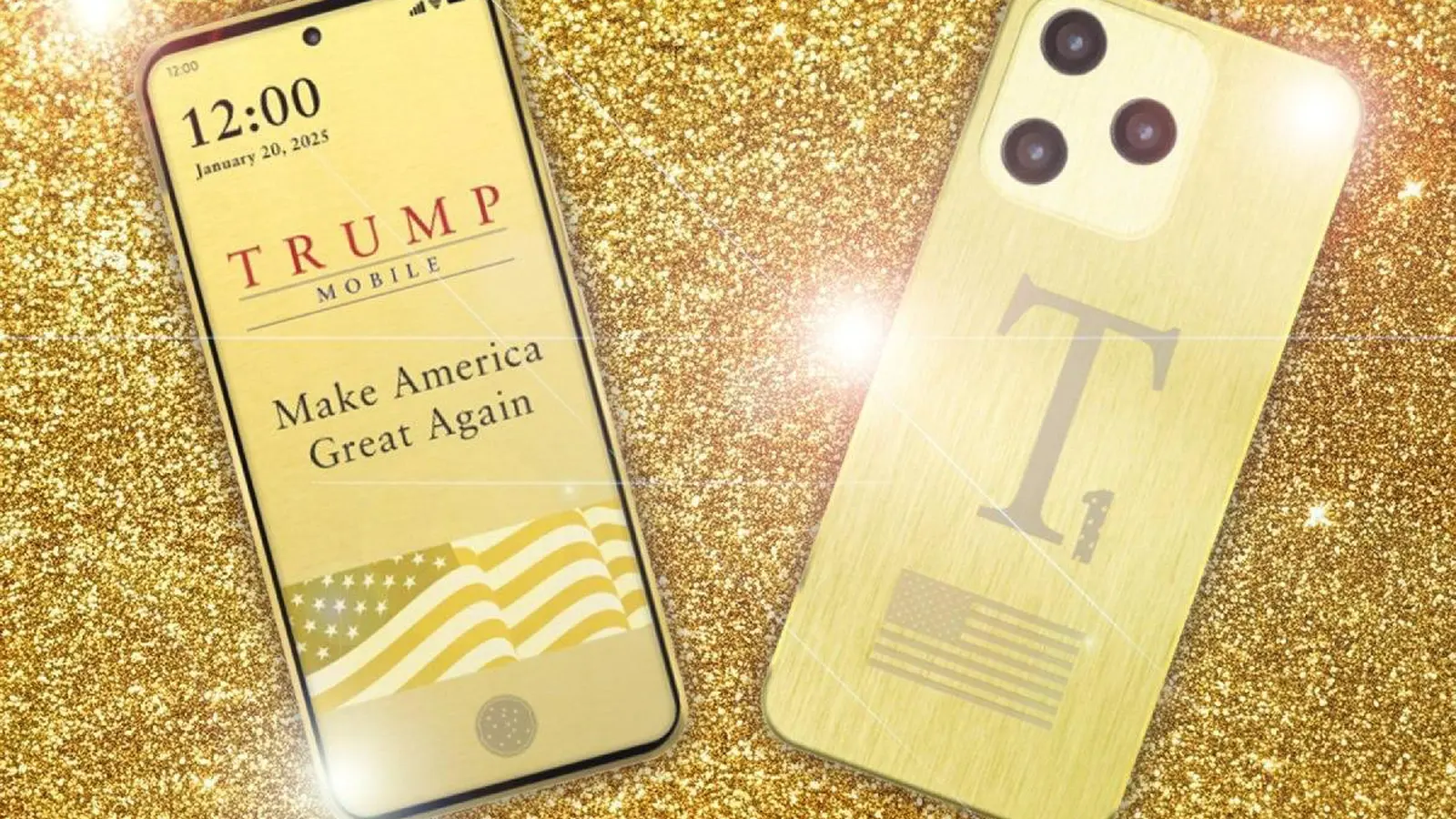
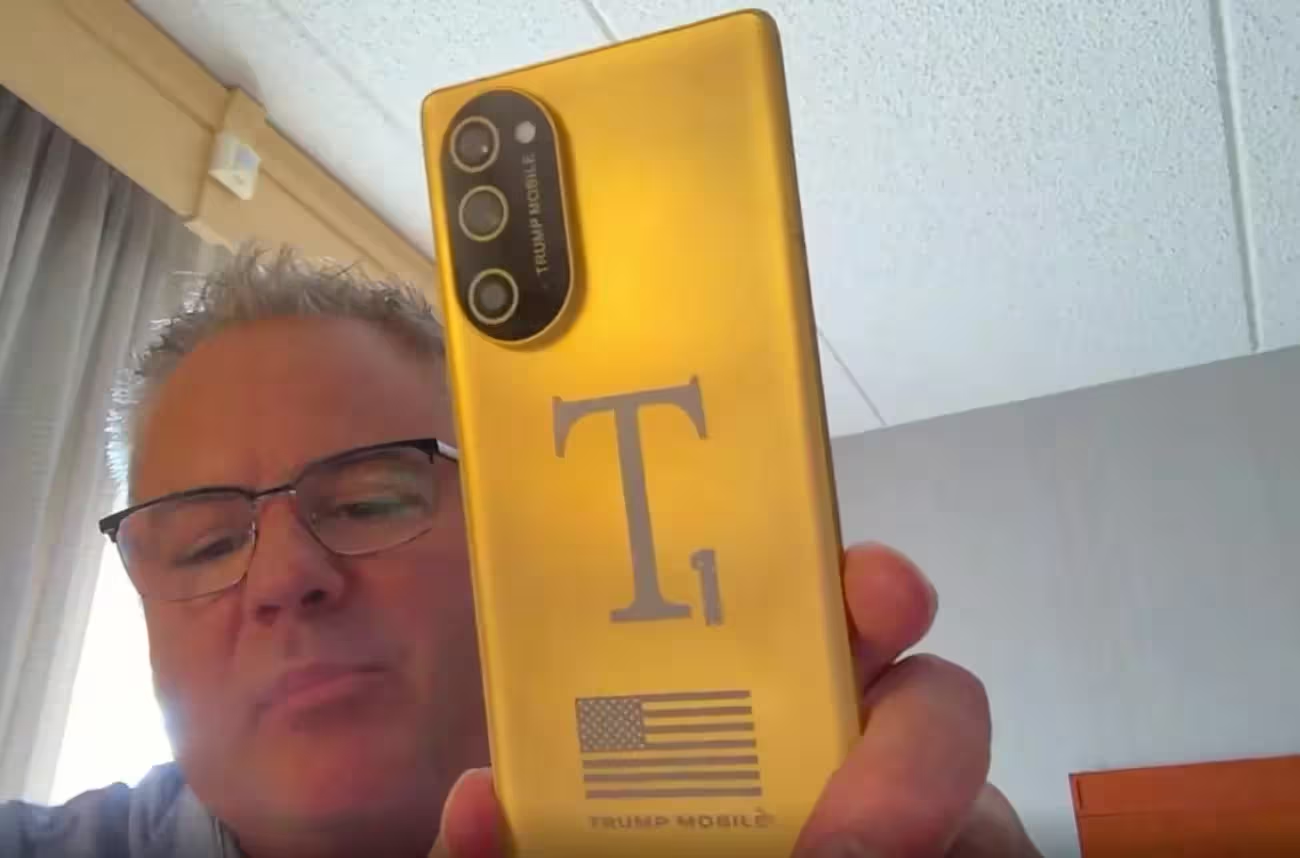
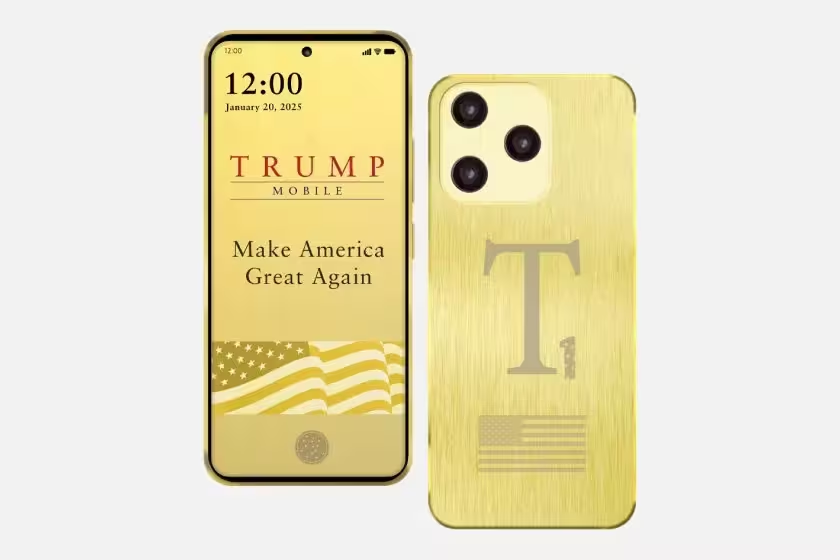
The device that once rode a thunderous promise of American manufacturing now looks very different. An image shared by a Verge reporter after a video call with Trump Mobile executives shows a near-final T1 design that trades the early iPhone-like look for a taller, curved display and a vertical, oval camera island holding three staggered lenses.
Gone is the triangular camera motif from the original mockups. Also gone — at least from the company website — is the clear "Made in USA" badge. In its place sits a softer line about "American hands behind every device," a phrasing that hints at nuance rather than delivering the tidy claim buyers were sold.
The reality: most components are sourced overseas, a final assembly step happens in Miami, and the full dream of a wholly U.S.-made smartphone was never realized.
The display has grown into a curved panel, roughly 6.78 inches by most accounts, and the signature T1 logo has been removed from the rear shell even as the phone keeps a gold finish and a small American flag. Internally, the company has upgraded the spec sheet since early promises: a Snapdragon 7-series chipset sits at the heart of the device, 512GB of onboard storage is standard, and microSD support stretches up to 1TB. Both primary and selfie cameras are rated at 50 megapixels, a notable bump from earlier figures.
Manufacturing details reveal the trade-offs. Executives admitted that bulk parts production takes place in a "trusted country"—they would not name it, and they explicitly said it is not China—while only the final assembly steps, the company claims, are completed in Miami. In plain terms: those aspirational posters about a fully domestic supply chain ran headfirst into real-world constraints of infrastructure and logistics.
Price and timing have shifted, too. Customers who already put down a $100 deposit keep the $499 pre-order price. New buyers, however, will see a higher tag; the company frames that increase as the result of better components and a decision to avoid launching a bargain-basement model. On the regulatory front, the T1 reportedly has FCC approval and is waiting on network certification from T-Mobile. If nothing slips further, executives say mid-March is realistic—though history suggests skepticism is warranted.
So what did buyers actually get? A redesigned mid-range phone with upgraded storage and cameras, a curved 6.78-inch display, and partial U.S. assembly — wrapped in marketing language that softens an earlier, bolder promise. Whether that will satisfy the customers who expected an all-American device is another story; for many, the question now is less about national origin and more about whether the phone finally ships on time.


Leave a Comment
Comments
No comments yet. Be the first.