
2 Minutes
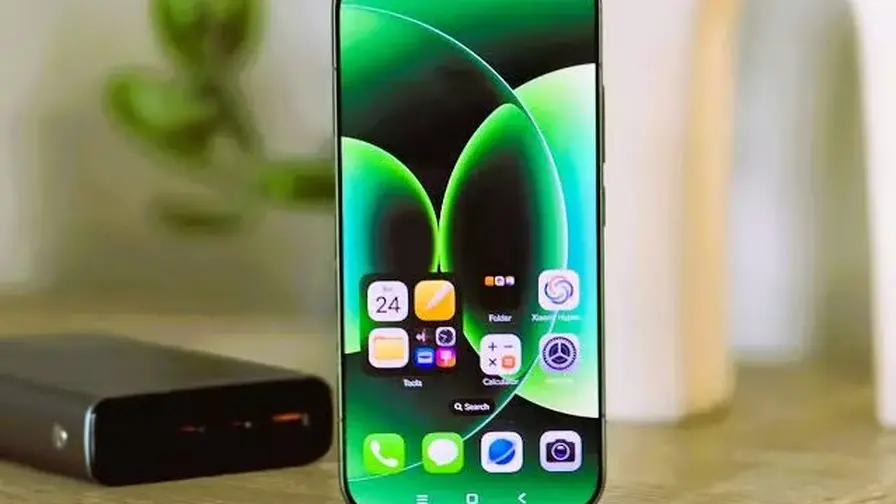
Ever been mid-game or finishing an important email when your phone decides it’s update time? Annoying. Xiaomi’s HyperOS 3.1 aims to stop that cold.
Smartphones have long treated system updates like a house renovation: noisy, disruptive, and needing everyone out for a day. You download a patch, the device restarts, and then you wait while the OS rearranges itself. For minor fixes this model feels wasteful; for frequent app and module tweaks it’s downright clumsy.
Enter Super-OTA — SOTA in Xiaomi’s shorthand. Rather than firing off a string of fragmented patches that demand immediate reboots, HyperOS 3.1 packages system software and core app modules together into a single unified bundle. The device downloads and stages that bundle quietly in the background. You keep using your phone. No interruption. Only when a true, low-level component changes does the system require a reboot — and even then the process is designed to be briefer and less intrusive.
What does that actually mean for day-to-day use? Fewer surprise restarts. Faster rollouts for small bug fixes. And a general sense that updates are working with you, not against you. Because SOTA favors smaller, better-coordinated packages, Xiaomi can push fixes more frequently without waiting for the next big OS release cycle. The upshot: quicker security patches and faster app-module updates that don’t demand an all-or-nothing reboot.
Look for build tags like C05 or C06 in update names. Those markers usually indicate a combined patch that includes both system and app modules — the kind of update SOTA was built to deliver. If you see those labels, the odds are good your device will install most of the work silently and only request a restart when a fundamental component genuinely needs swapping.
For developers and testers, the change reduces friction: smaller, atomic packages are easier to validate and can be rolled back or adjusted faster when something goes off-script. For users, it feels like the OS is learning manners: polite, unobtrusive, and efficient. And for an ecosystem that spans phones, tablets and smart devices, a less disruptive update workflow helps keep everything in sync without forcing simultaneous downtime across multiple gadgets.
HyperOS 3.1’s SOTA doesn’t reinvent the wheel. But it smooths the ride. If you want a tangible improvement in how updates land and behave, this one is worth watching — and waiting for — the next time your Xiaomi device flashes that familiar notification.


Leave a Comment
Comments
No comments yet. Be the first.