
2 Minutes
Samsung has quietly shifted one of the chip world’s veterans into the heart of its mobile engineering: Heonjae Ha, a semiconductor architect who has worked at SK Hynix, Apple and Meta, is now leading the AP Tech Group inside Samsung’s MX division. It’s a subtle move on paper. It could be seismic for how Samsung builds phones.
Think about that for a moment. Hardware and software often live in separate silos. When you bring the people who design the silicon into the same unit that designs the phones, ideas stop being theoretical. They get shipped.
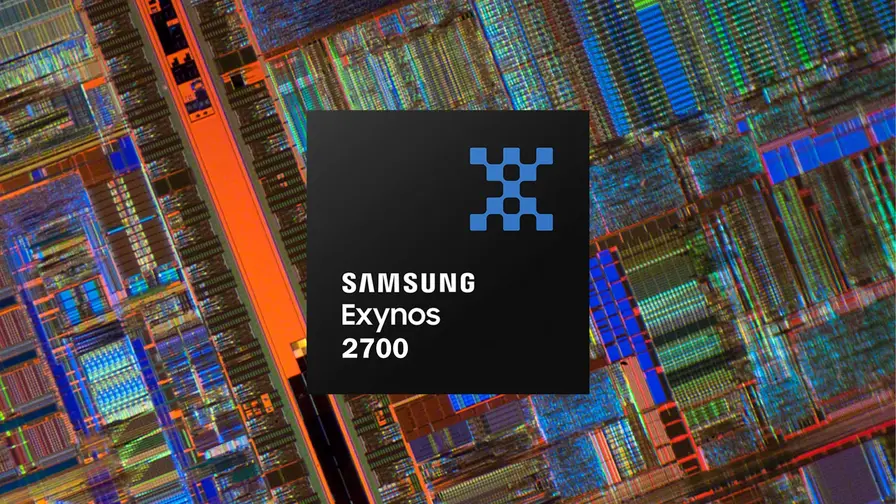
Ha joined Samsung in 2024 as a Corporate VP to steer custom IP development and then took charge of SoC architecture. The new appointment signals a deliberate push: Samsung wants AI to be engineered at the chip level, not bolted on as an afterthought. On-device AI needs tight coordination between processor design and feature teams — from camera pipelines to low-latency communication stacks — and that collaboration is now easier when both teams share the same division.
Why does that matter to users? Because on-device AI is about more than flashy demos. It’s about efficiency, privacy and responsiveness. When the team that defines the SoC sits shoulder-to-shoulder with the teams that build the phone’s features, optimizations for power, thermal limits and real-world workloads can be baked into silicon early, rather than patched in later.
Does this mean Samsung will rush out a magic chip tomorrow? No. But it does indicate strategy. The company is moving its SoC architecture muscle closer to the mobile product group so hardware decisions can be made with product goals in mind. Expect deeper integration between accelerators, custom IP blocks and the software stacks that call them — a practical step toward richer on-device capabilities.
Putting a seasoned chip architect into MX is Samsung’s bet that future mobile differentiation will live in the silicon-software handoff.
For industry watchers, Ha’s transfer is a reminder that winning the next era of mobile will require more than a faster CPU. It will require processors designed with specific AI workloads in mind, and teams organized to turn those designs into features users actually notice. Keep an eye on Samsung’s next SoC announcements; the fingerprints of this organizational change may be subtle at first, but they could shape the devices in your pocket.




Leave a Comment
Comments
No comments yet. Be the first.