
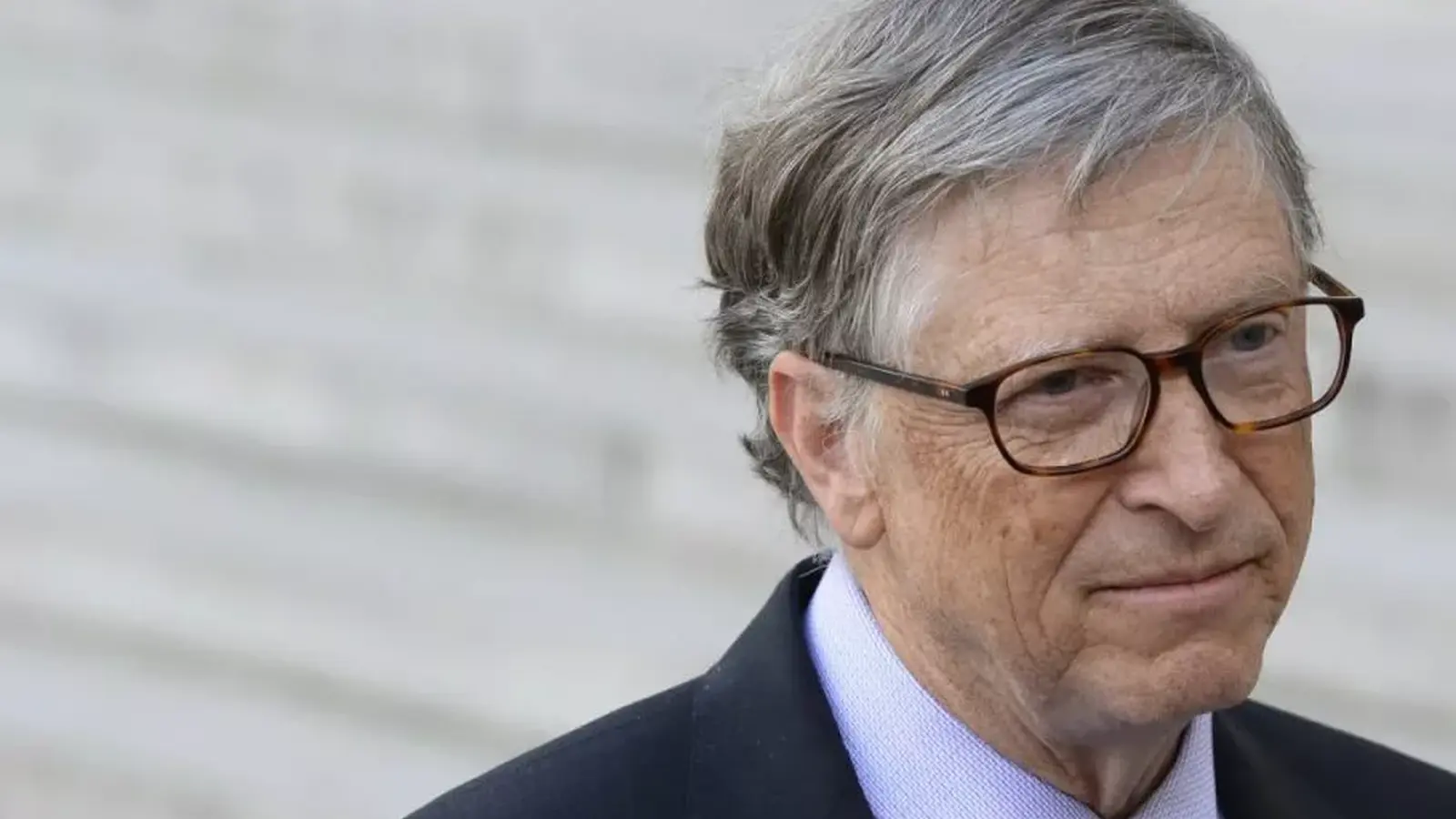
He didn’t open with a defense. He didn’t deflect. Bill Gates began with a single word of regret and a measured attempt at explanation — after more than three million pages of documents from the Jeffrey Epstein case surfaced and thrust his name back into headlines.
The newly released records include draft emails from 2013 found on Epstein’s account. Some of those draft messages contain explosive, unverified claims: alleged details about Gates’s marriage, references to failed business dealings, and even an insinuation about a sexually transmitted infection. The documents, however, are drafts — and Gates insists many of the pages read more like the fantasies of a disgruntled correspondent than contemporaneous evidence.
“Apparently Jeffrey wrote this email to himself and never sent it,” Gates told Australia’s 9News. Short. Sharp. He called the allegations false and said he could not fathom Epstein’s motives. Was the aim to embarrass? To manufacture leverage? Gates suggested it’s possible Epstein was trying to trap or smear him.
A spokesperson for Gates was blunter, labeling the material “absurd and laughable.” Their point: the drafts seem to document Epstein’s frustration — not a factual timeline implicating Gates in criminal conduct. Gates himself acknowledged a personal mistake: he regretted the time he spent with Epstein, calling those interactions foolish in retrospect. He said the meetings, which began in 2011, were limited to a handful of dinners and stressed that he never traveled to Epstein’s private island.
There’s a human angle here beyond reputations and legalese. Melinda French Gates, who divorced Bill in 2021 after 27 years of marriage, described the revelation as wrenching. On NPR’s Wild Card podcast she spoke of the “unbelievable grief” stirred by the records and underscored that she would not be the one answering questions about her ex-husband’s choices.
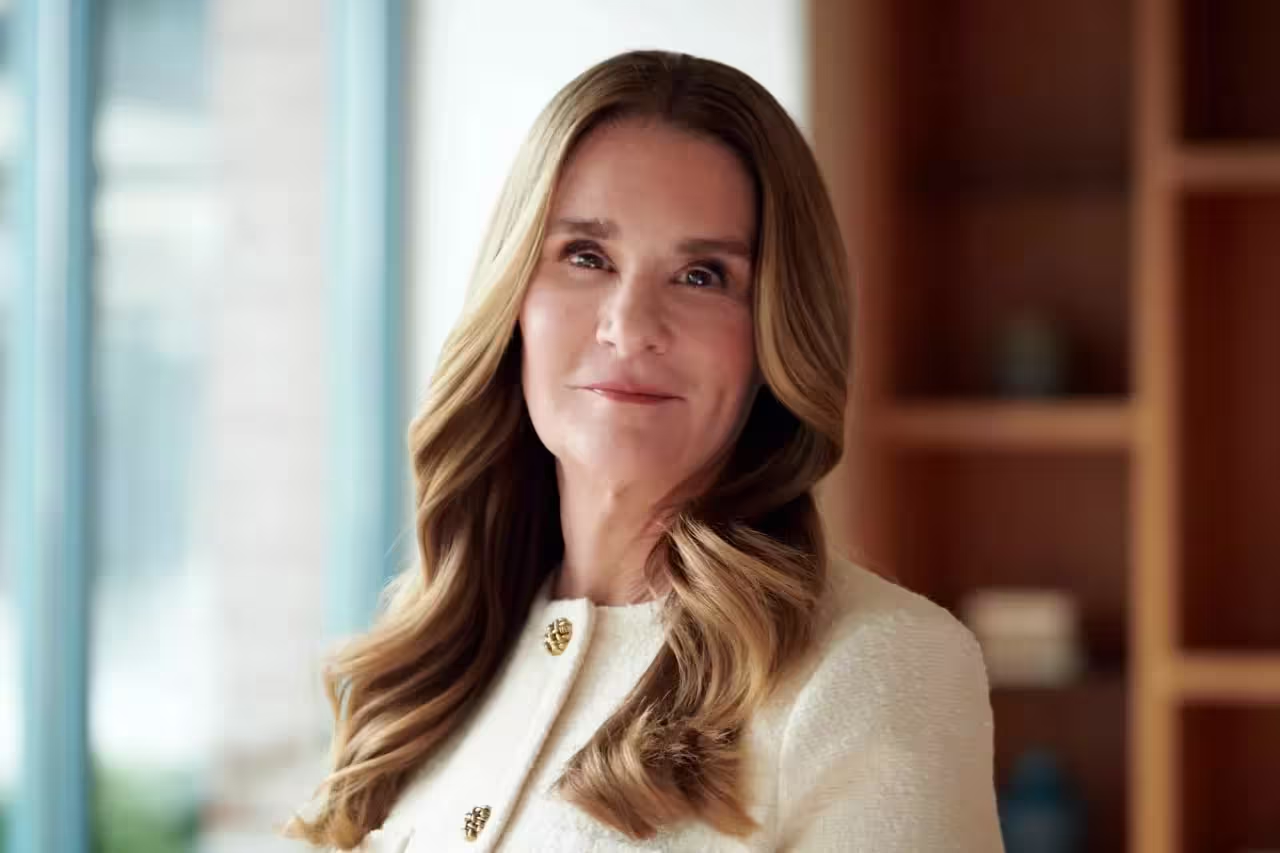
“Any remaining questions belong to those people and to my ex-husband,” she said. “They need to be answered by them.” That line carries weight. She distanced herself publicly and reiterated a silent point that has come up often since Epstein’s offenses first became widely known: the focus must remain on the victims. Melinda described their suffering as harrowing and almost impossible to imagine.
There is, inevitably, more waiting in the wings. Legal teams and journalists will parse millions of pages of material. Some items will prove consequential. Others will be red herrings — fragments that read like fiction when taken out of context. For Gates, the risk is reputational: a tech titan and philanthropist whose name is tied to sweeping global initiatives now has to fend off renewed questions about judgment.
The larger question is not simply who wrote which draft, or whether a meeting was merely dinner. It’s about systems: how powerful people are drawn into risky associations, how allegations surface years later, and how institutions — media, courts, charities — respond. Expect more reporting. Expect more scrutiny. And somewhere in the middle of that noise, the people whose lives were damaged by Epstein still seek answers and accountability.
As the dust settles, one thing remains clear: an apology can open a conversation, but it doesn’t close the questions. Who will pick up the rest of the thread?

Leave a Comment
Comments
No comments yet. Be the first.