
3 Minutes
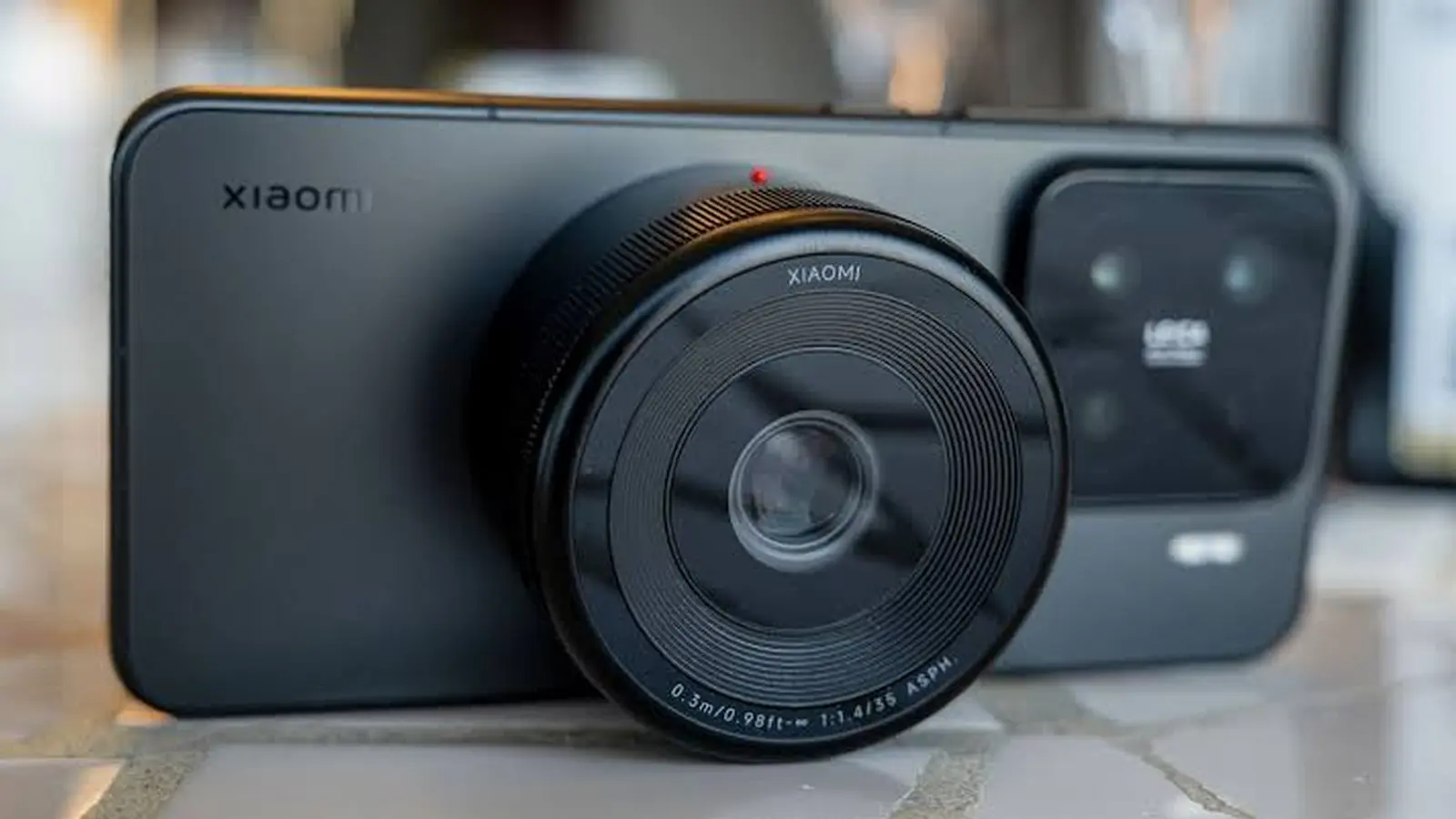
Imagine clipping a mirrorless-grade sensor onto the back of your phone. That’s the promise behind Xiaomi’s detachable micro four-thirds camera module — and according to a fresh report from Digital Chat Station, it’s entering mass production and expected to reach the market early this year.
The hardware is unapologetically camera-first: a 100MP micro four-thirds sensor paired with a 35mm f/1.4–f/11 lens, complete with a manual focus ring. Native 2x zoom arrives through pixel-binning, trading raw resolution for better low-light detail when you need it. The result aims to bridge the gap between pocket convenience and the image quality photographers have long chased.
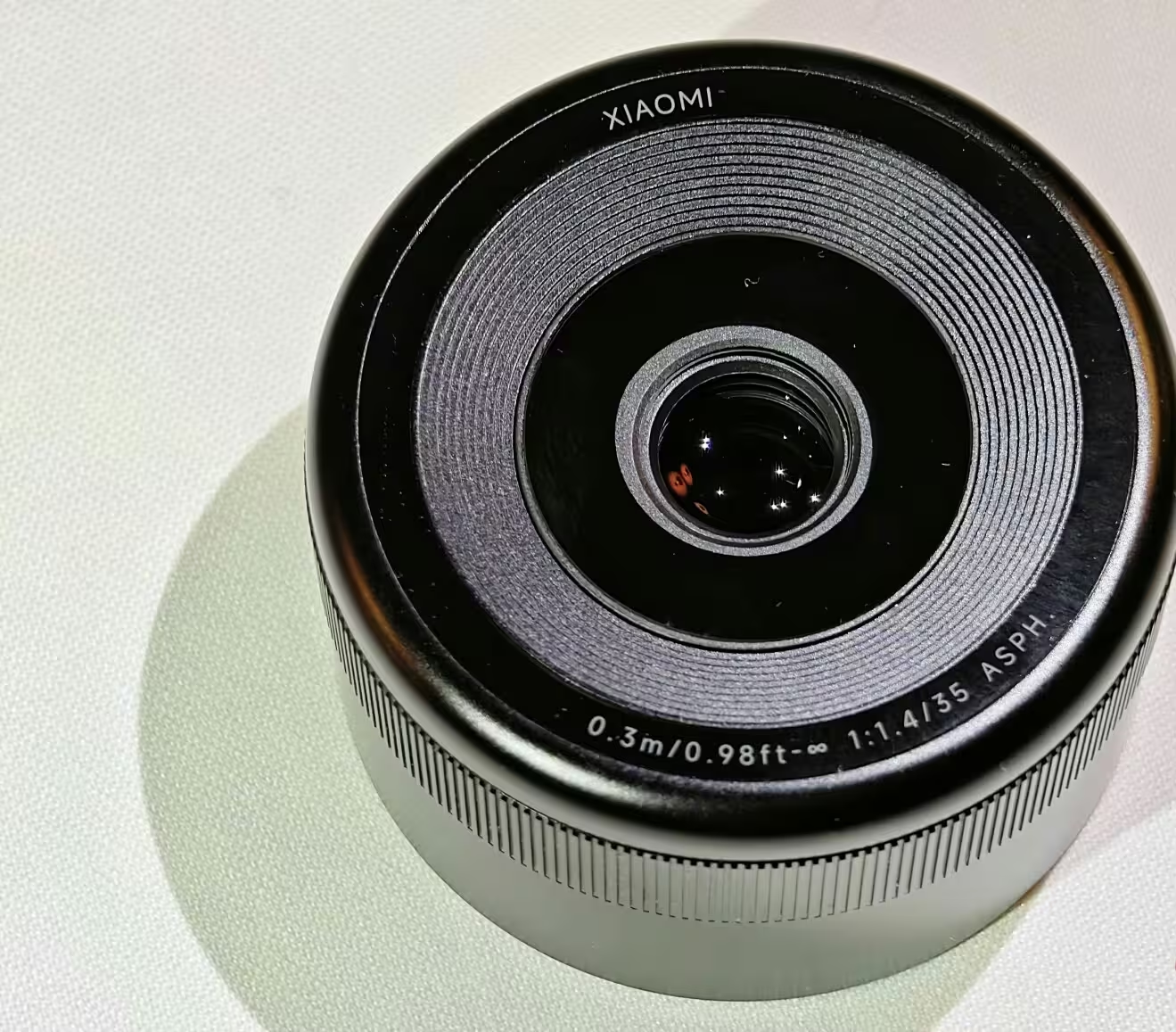
What separates this from past lens-style experiments is a proprietary high-speed link Xiaomi calls LaserLink. Think of it as a camera cable without the cable — a low-latency, up-to-10Gbps data path that hands raw sensor data straight to the phone’s ISP for processing. Because the module offloads image processing to the phone, Xiaomi can keep the add-on slim and light, with virtually no onboard compute.
In the demo at last year’s MWC the module was paired with a customized Xiaomi 15. Rumors now point to the upcoming Xiaomi Mix 5 as the likely first mainstream phone to ship with the necessary LaserLink interface. That’s important. Not every phone with magnetic attachment points will be compatible; this requires a physical data connection in addition to the Qi2-style magnets on the back.
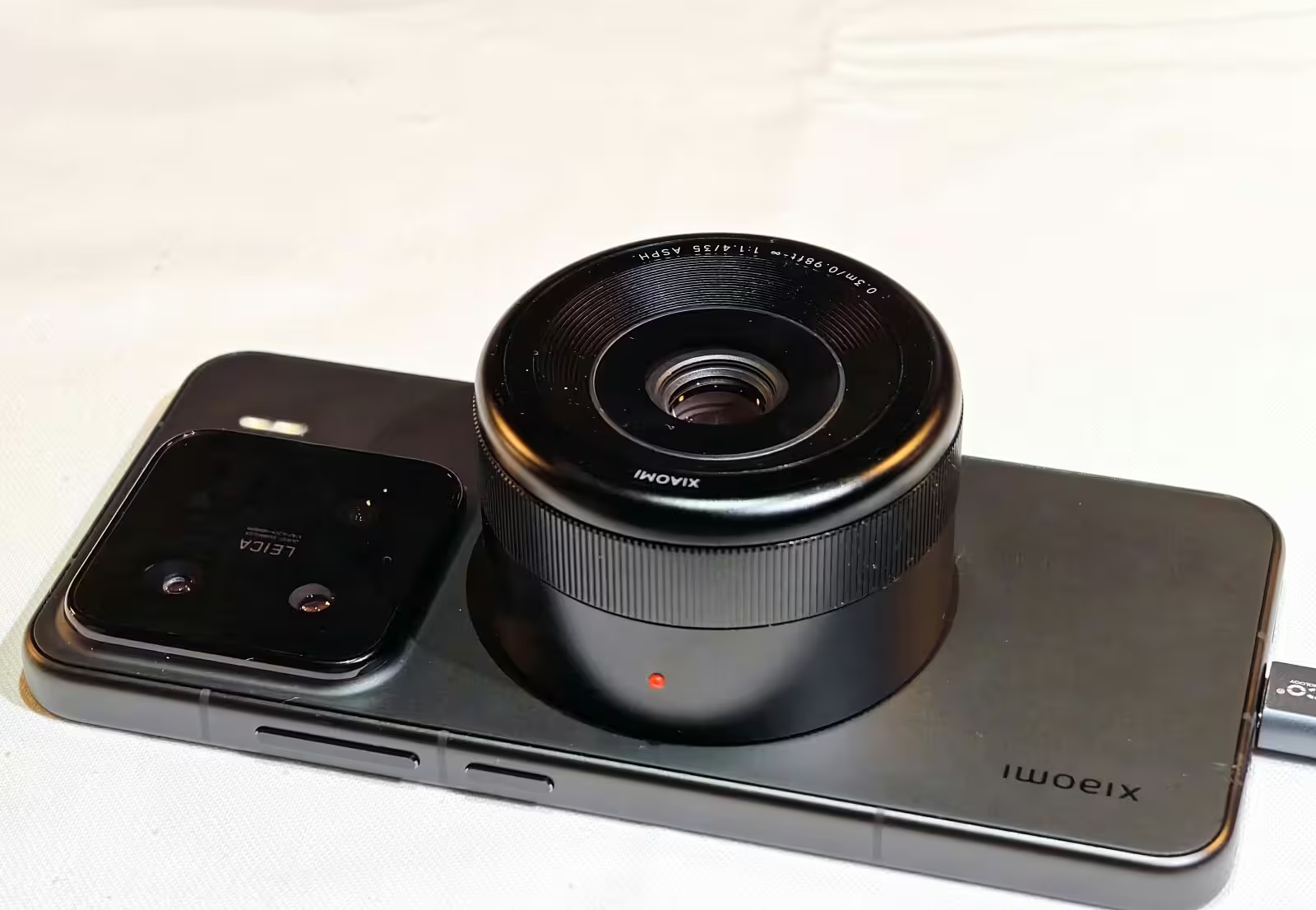
There are trade-offs. The module contains no battery and no processing hardware, so it draws power and brains from the host phone. The prototype we handled tipped the scales at about 100 grams, a heft that felt awkward on a compact handset but should sit more naturally on a larger Mix-class device. And while the camera powers down when idle, it needs a couple of seconds to boot back up when you grab it again — not instant, but close enough for most shooting situations.
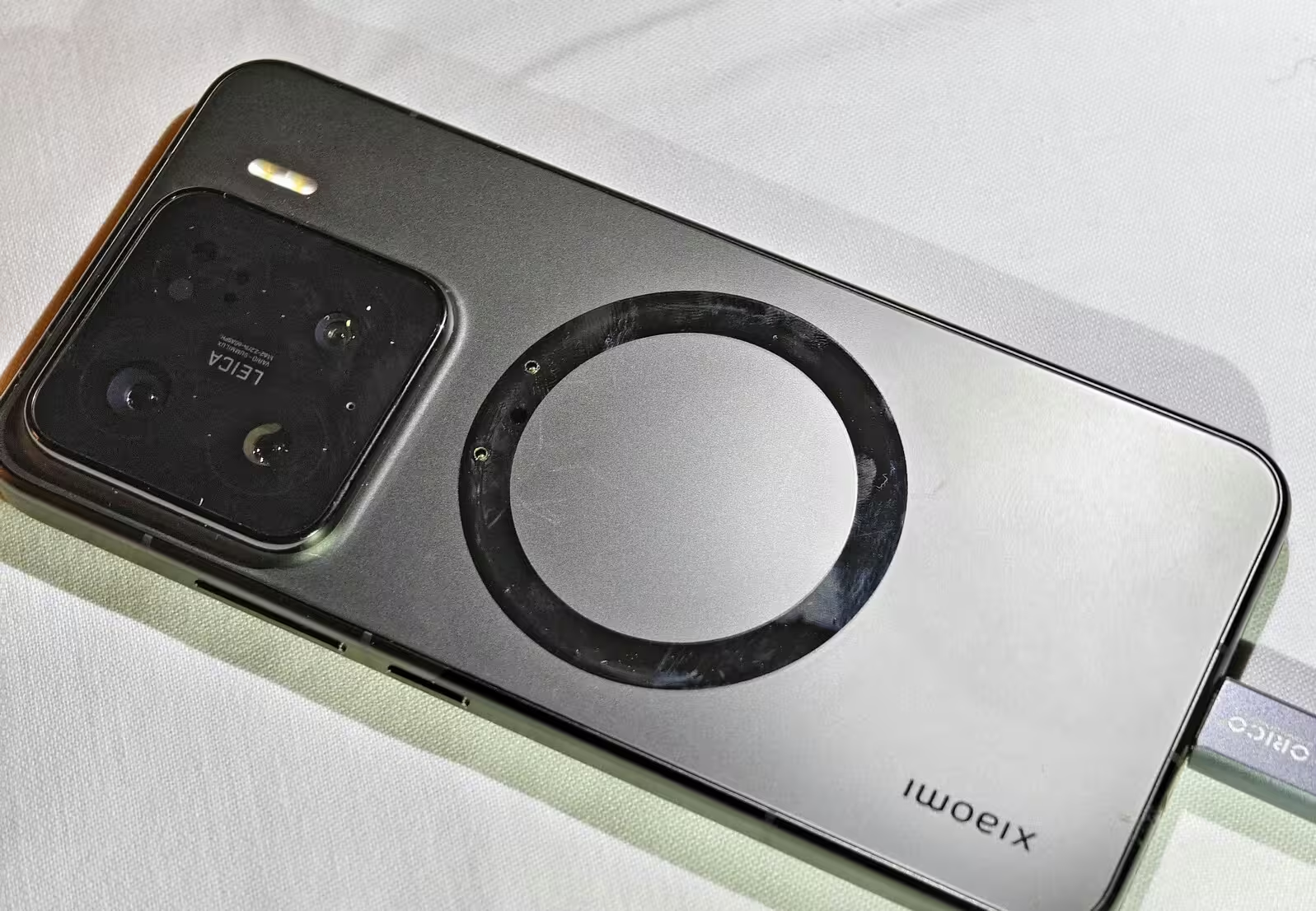
For photographers who want manual control without lugging a separate camera, this is tantalizing. For phone buyers it raises new questions about upgrade paths and modular compatibility: will Xiaomi lock LaserLink to a single flagship family, or will more devices adopt the interface over time? Either way, the move signals a shift in how manufacturers think about the phone-camera relationship.
If Xiaomi can ship a reliable, well-integrated detachable module, phones could start acting less like single-purpose devices and more like platforms for swappable imaging tools — and that could change how people buy cameras and phones alike.






Leave a Comment
Comments
No comments yet. Be the first.