
2 Minutes
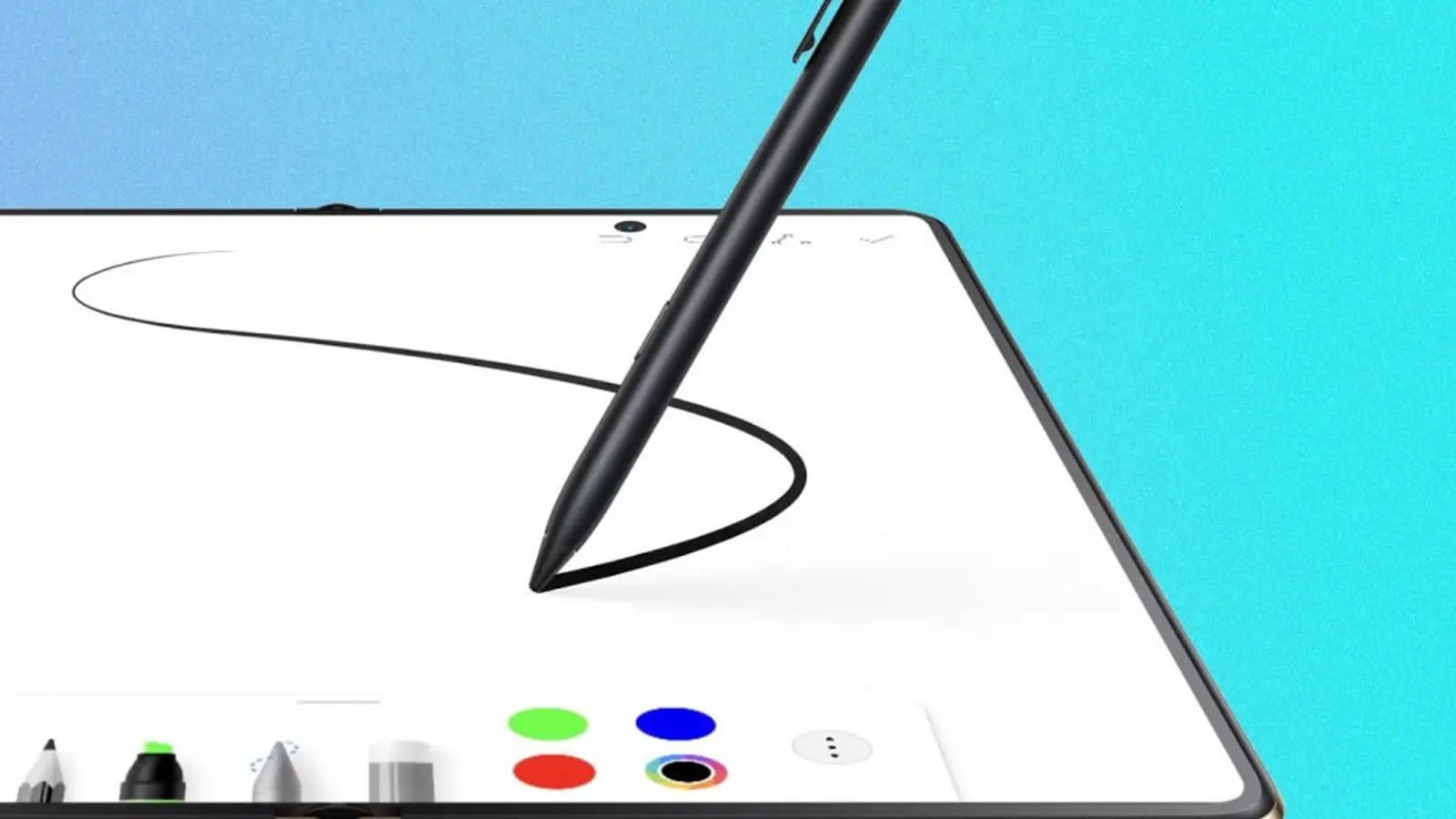
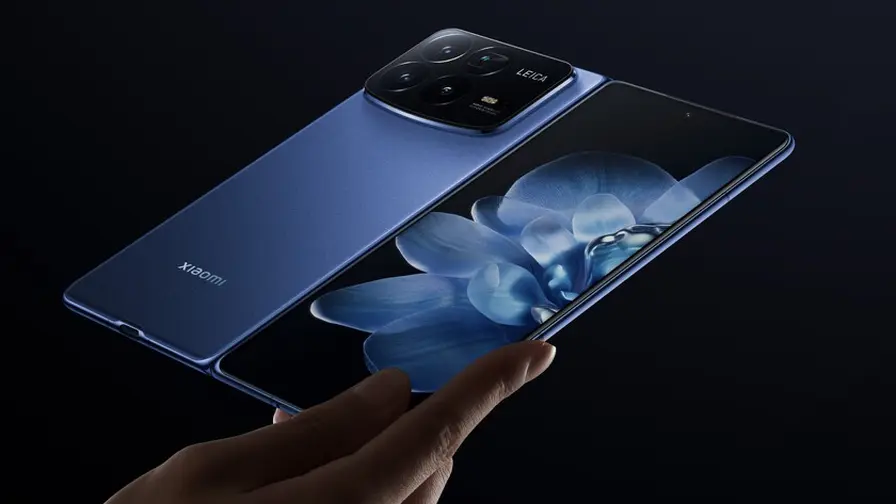
Imagine sketching on a phone that folds open like a mini easel, and the stylus actually feels smarter than your average pen. That’s the rumor circling China’s supply chain: Honor’s Magic V6 and Oppo’s Find N6 could arrive with what leakster Smart Pikachu calls “multispectral” stylus support.
What does multispectral mean in practice? The tip of the story is thin on specifics, but the hints are exciting. Think extra sensors inside the stylus — beyond simple pressure — able to detect finer pressure bands, subtler tilt angles and even hover distance. In plain terms: more natural strokes, improved palm rejection and responsiveness that shrinks latency to the point you forget the technology between your hand and the display.
There’s also talk of new AI features baked into the stylus experience. Real-time handwriting recognition, contextual brush suggestions, or adaptive smoothing that learns your individual pen pressure over time — these are plausible leaps from what today’s smart pens already do. Not fantasy. Iterative engineering, paired with modern on-device AI, can push precision and predictive input in unexpected ways.
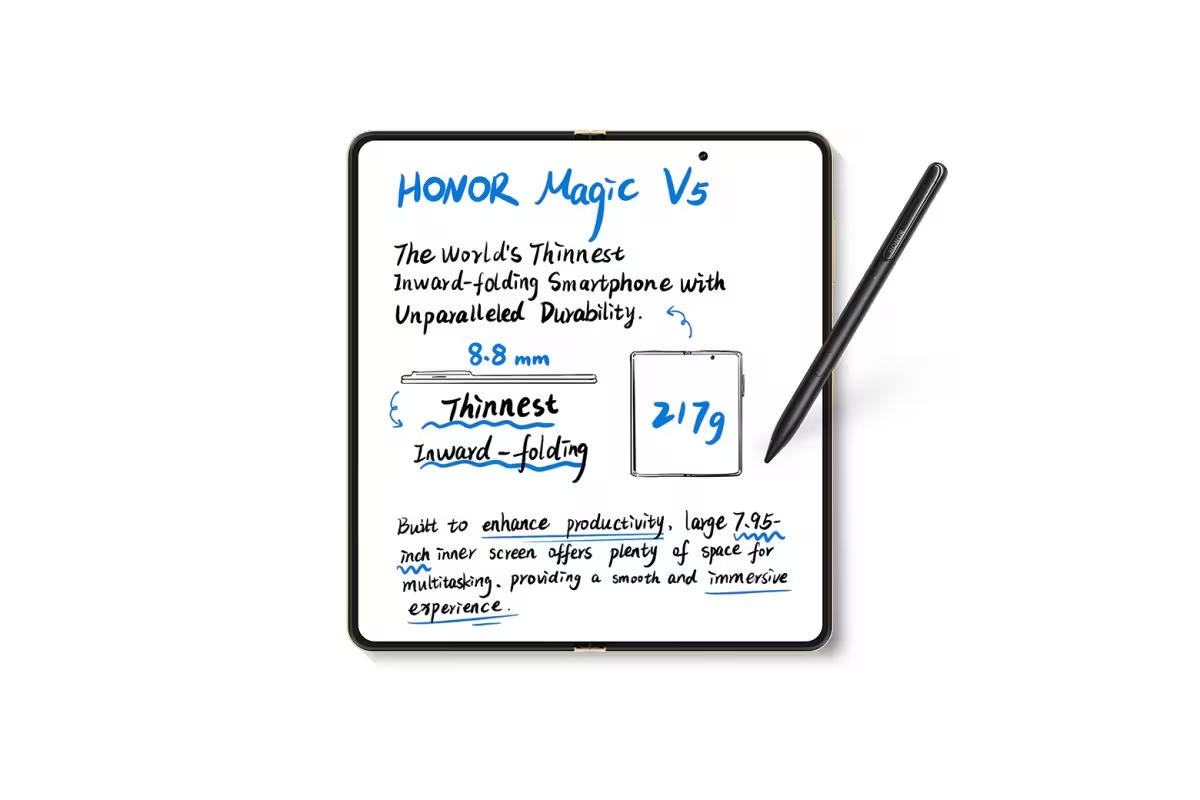
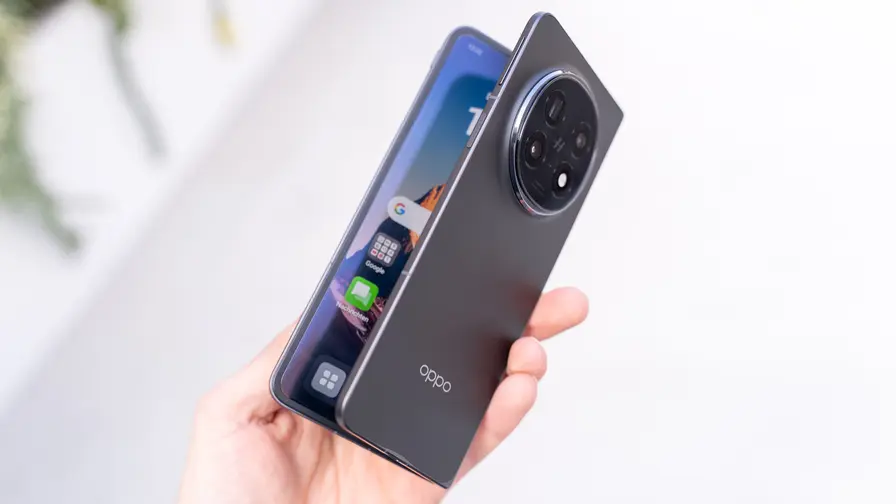
Timing lines up too. Honor has confirmed the Magic V6 will debut at MWC Barcelona next month, and the Find N6 is expected to follow in March. Both foldables are tipped to run Qualcomm’s Snapdragon 8 Elite Gen 5, carry batteries in the 7,000 mAh range and ship a 200MP main camera. Those specs hint at a big-picture strategy: convertible luxury hardware with flagship silicon and the endurance to power AI-assisted features.
Still, skepticism is healthy. Leaks often gloss over trade-offs. Adding sensors to a stylus increases weight and cost. Powering richer AI features may demand tighter device-software integration or on-device neural accelerators. Then there’s the software layer: apps must actually use these new inputs to make the experience worthwhile.
But the idea is simple and seductive: a folding device that treats pen input as a first-class interface, not an afterthought. If Honor and Oppo pull it off, the next wave of foldables won’t just fold; they’ll listen, predict and adapt to how you write and draw. Wouldn’t that make the screen feel less like glass and more like an extension of your hand?




Leave a Comment
Comments
No comments yet. Be the first.