
2 Minutes
Imagine never having to fumble with framing during a group selfie or a video call. Small nuisance, big payoff.
Chinese tipster Digital Chat Station on Weibo says Huawei is testing a 1:1 square sensor for its front-facing cameras. At first glance it sounds like a minor hardware tweak. The practical payoff, though, is anything but minor: a square sensor captures a more balanced image area, giving the camera app more breathing room to crop, reframe, or rotate without losing important detail.
Why does that matter? Because orientation changes and automatic cropping are where most front-camera frustrations live. Switch from portrait to landscape mid-call and suddenly someone’s forehead disappears. Shot a group selfie and the edges get chopped. A square capture area reduces those awkward moments by letting software shift the visible window around a central frame rather than trimming off the sides.
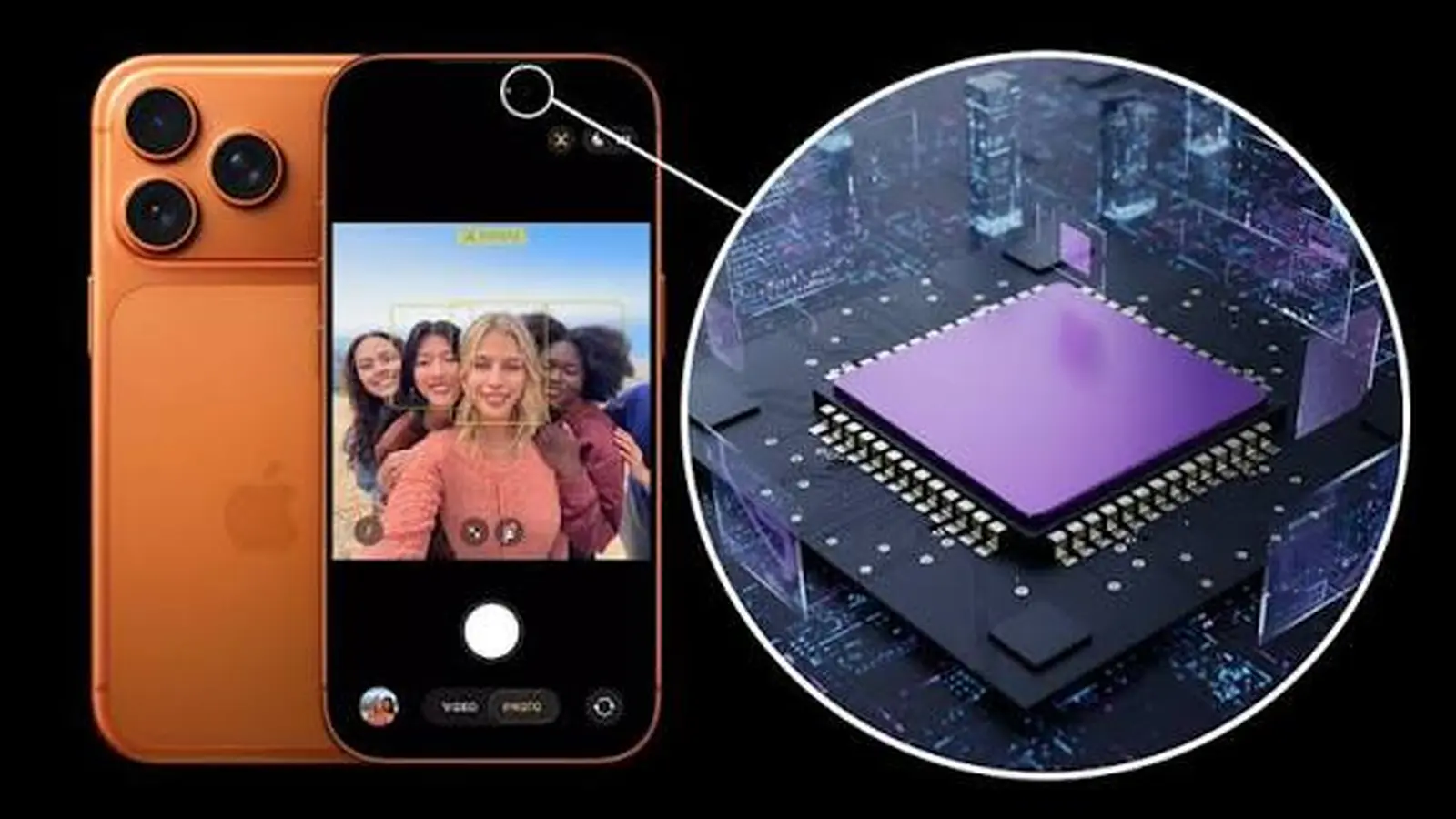
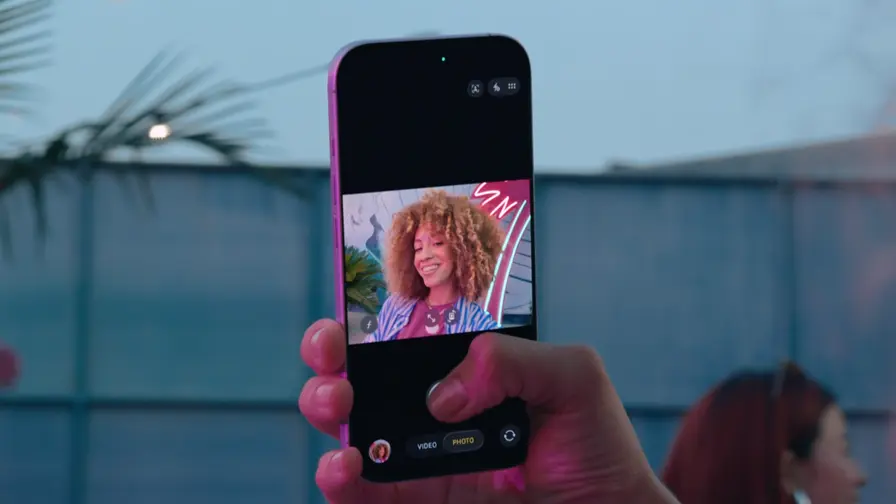
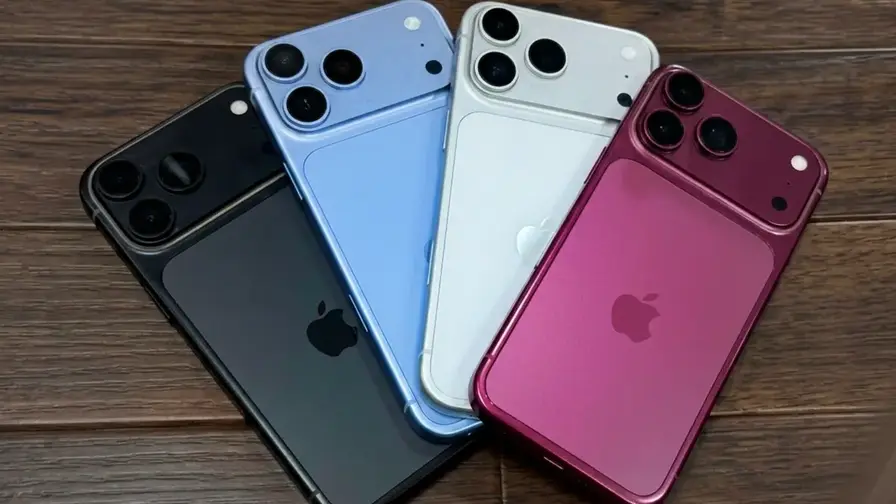
Apple already moved down this road with the iPhone 17’s Center Stage front camera, which uses a square sensor to enable smoother auto-framing and subject tracking during video calls. Software did the heavy lifting, but the square hardware made that software possible. Huawei adopting the same layout would bring similar advantages to Android: cleaner framing, less fiddling when you record, and more consistent results across portrait and landscape modes.
There are still open questions: resolution, which models might get the sensor first, and when — Huawei hasn’t confirmed anything. But the use cases are obvious for anyone who lives on video calls, vlogs, or social apps. If Huawei ships square front sensors, users will notice steadier framing more often than they notice the sensor itself.
Front cameras have quietly become a new frontier for hardware innovation. This small change could be one of those invisible upgrades that simply makes everyday phone use feel a little smarter — no ceremony required.






Leave a Comment
Comments
No comments yet. Be the first.