
2 Minutes
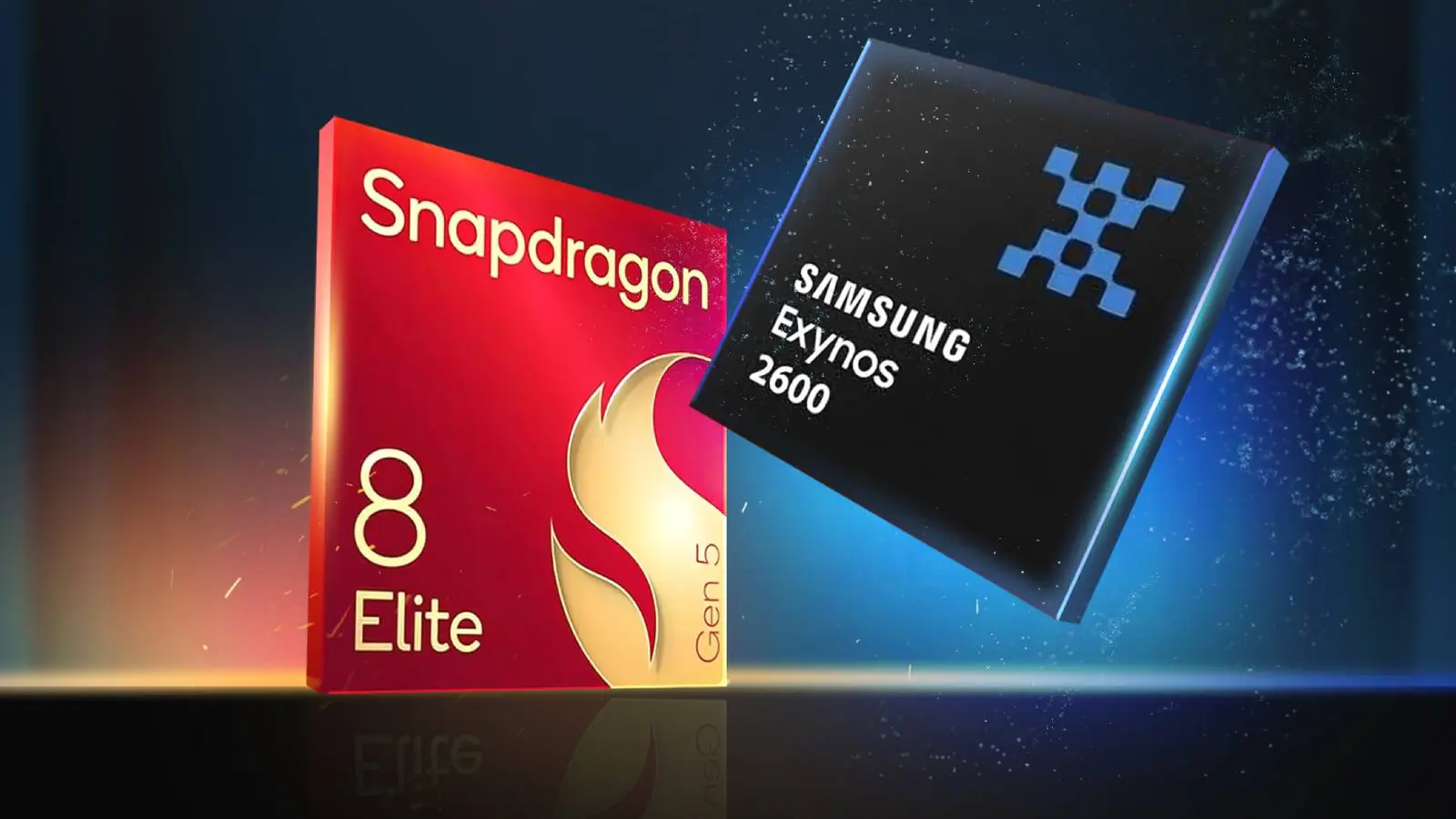
Benchmarks have a way of telling blunt truths. Samsung's upcoming Exynos 2600 just climbed to the top of Basemark's ray tracing leaderboard, and the margin is large enough that vendors and developers will take notice.
On the test bench a device marked SM-S942B—believed to be the standard Galaxy S26 with Exynos silicon—scored 8,262 points. The nearest challenger, flagged as BKQ-N49 and likely an Honor Magic8 variant running Qualcomm's Snapdragon 8 Elite Gen 5, posted 7,527 points. That gap works out to just under a 10 percent lead in this ray tracing run, a clear win in a workload that punishes inefficient GPU designs.
So what changed? Start with the manufacturing node. Exynos 2600 is the first smartphone SoC built on Samsung's 2nm Gate-All-Around process. The four-sided gate transistor improves electrostatic control, lets voltages run lower, and tightens the balance between raw speed and thermal budget. In plain terms: more performance where it counts, without the usual power spike.
Then there is the GPU. The Xclipse 960, a customized take on AMD's RDNA 4, delivers a generational jump in mobile ray tracing. Hardware-level ray tracing primitives and updated execution units matter when you shift from raster workloads to light simulation. The result is better frame stability and higher sustained throughput in ray-traced scenes.
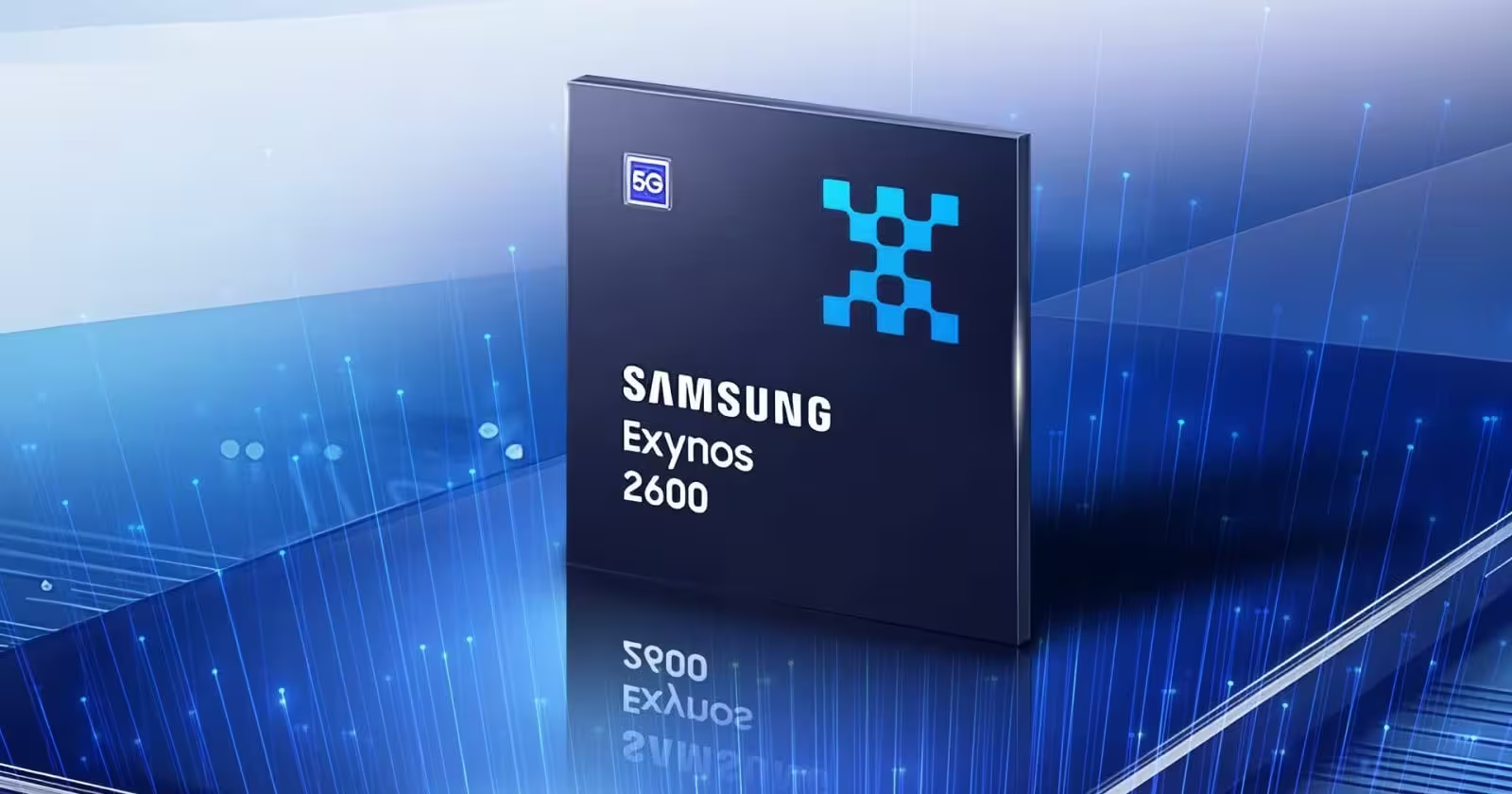
Samsung didn't stop at silicon. Packaging and thermal design play an outsized role in real-world mobile graphics. The Exynos 2600 employs fan-out wafer-level packaging to slim the package footprint, and a new thermal path block—a copper heatsink that makes direct contact with the application processor—cuts thermal resistance by roughly 16 percent. Less thermal throttling equals longer bursts of peak GPU performance.
Are benchmarks everything? No. Driver maturity, game-level optimization, and device thermal envelopes still shape the user experience. But a top Basemark result is not just bragging rights; it's proof that the Exynos architecture, its new process, and a revamped GPU stack are delivering measurable gains.
Will this shift the balance in flagship phones globally? Possibly. If Samsung pairs the Exynos 2600 with the right thermals and software support, the chip could mark a genuine comeback for Exynos in the high-end segment. Expect more tests, and real-world gaming demos, to follow soon.








Leave a Comment
Comments
No comments yet. Be the first.