
3 Minutes
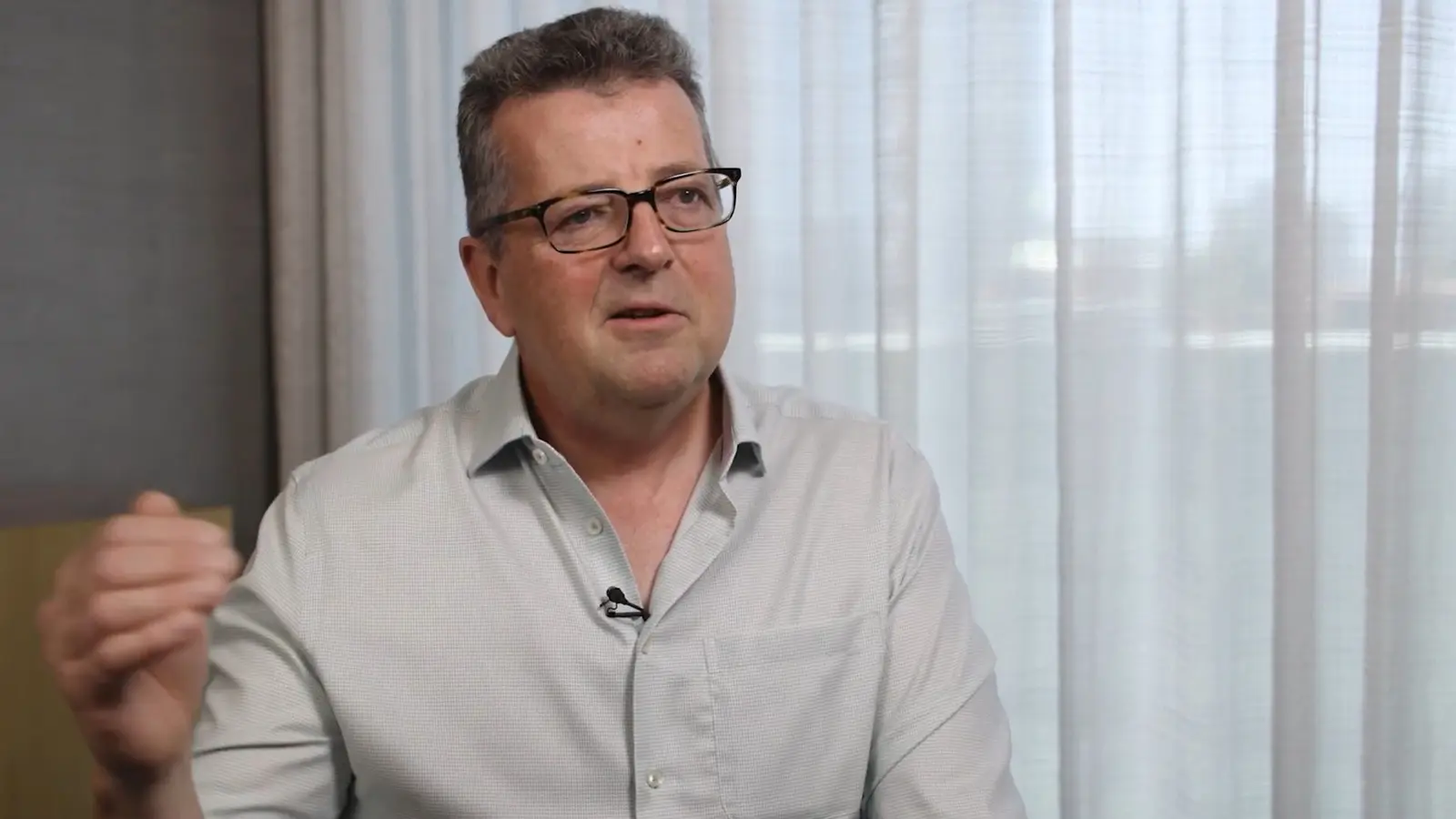
Samsung has quietly made a move that could reshape its chip strategy. The company has tapped former AMD executive John Rayfield to lead advanced research efforts in Austin, signaling fresh momentum for the Exynos line and its graphics ambitions.
Why Rayfield's arrival matters for Exynos
Rayfield takes the role of Senior Vice President for the Samsung Austin Research Center and the Advanced Computing Lab, two groups now set to drive future Exynos development. He brings deep graphics and compute experience, having previously served as AMD's Vice President of Computing and Graphics and before that as Intel's Vice President and General Manager of Client AI.
During his time at AMD, Rayfield helped shape the Ryzen AI 300 APUs in collaboration with Microsoft, and Samsung will be counting on that same systems-level expertise to boost GPU performance, system IP, and overall SoC architecture.

Console-like visuals on mobile? The claim behind the hire
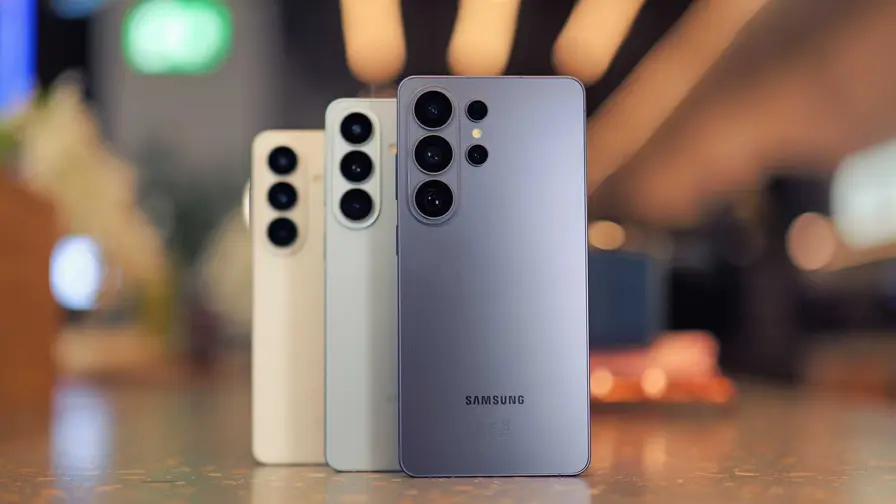
Samsung says its Exynos 2600, powered by the Xclipse 960 GPU, can now deliver console-grade, lifelike graphics on mobile devices. The company claims up to 50 percent improved ray tracing performance versus the previous Exynos 2500 and has introduced ENSS, Exynos Neural Super Sampling, its in-house upscaling tech aimed at sharpening visuals while preserving battery life.
Rayfield has publicly praised the work coming from SARC and ACL, arguing that targeted improvements to GPU architecture and system IP can push mobile graphics into an entirely new class. That is exactly the remit he will be overseeing.
What this means for the silicon roadmap
Samsung is not just betting on new leadership. The firm is already fabricating chips on a 2nm GAA process, a step the company says opens doors for much higher efficiency and performance density. Reports indicate Samsung has completed a basic design for a second-generation 2nm GAA node, with a third iteration known as SF2P+ expected within roughly two years.
Those process advances can be combined with architectural work from Rayfield's teams to refine power budgets, boost ray tracing throughput, and improve neural upscaling performance at the system level.
How Exynos might stack up against rivals
Can this hire close the distance to Qualcomm, MediaTek, and Apple? That remains an open question. Exynos 2600 looks promising on paper, but real-world benchmarks, software ecosystem support, and power efficiency under sustained loads will determine whether Samsung can convert R&D gains into market wins.
Still, investing in leadership focused on GPUs, system IP, and SoC architecture is a clear signal. Samsung now has the people, the process node, and a roadmap that together could produce chips that are competitive not just on peak frames, but on sustained performance and feature set.
What to watch next
- Benchmarks and real-world gaming tests for Exynos 2600
- How ENSS compares to other upscaling solutions
- Software and driver support from Samsung for advanced GPU features
- Timing and rollout of second and third generation 2nm GAA nodes
Rayfield's appointment is one piece of a larger puzzle. If SARC and ACL can translate architectural and IP gains into tangible user benefits, Samsung could be on the path to narrowing, or even redefining, the gap in mobile graphics and system-level performance.









Leave a Comment
Comments
No comments yet. Be the first.