

ECB moves ahead with digital euro pilot and PSP shortlist
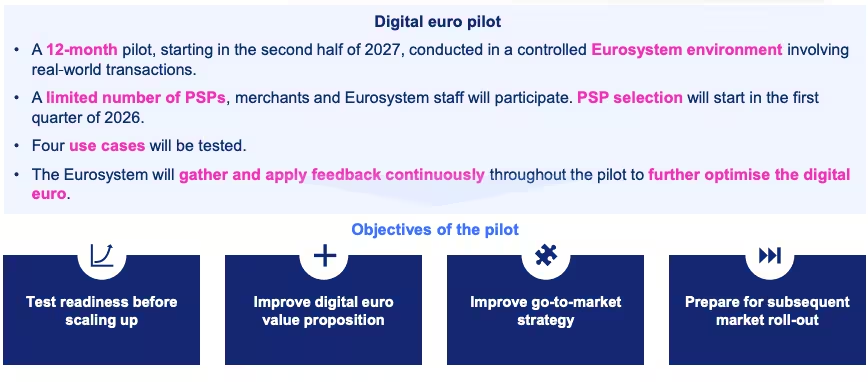
The European Central Bank (ECB) is advancing plans for a digital euro pilot, with payment service provider (PSP) selection scheduled to begin in the first quarter of 2026. ECB Executive Board member Piero Cipollone confirmed the timeline while speaking at a meeting of the Italian Banking Association, signaling an important step toward a 12-month pilot expected in the second half of 2027. This move is a clear milestone in the wider central bank digital currency (CBDC) effort across the Eurozone.
Pilot design and participant scope
The pilot will involve a limited roster of EU-licensed PSPs, selected merchants and Eurosystem staff. Participants will test onboarding, settlement, liquidity management and other operational flows relevant to a live rollout. By focusing distribution through regulated PSPs, the ECB aims to integrate existing payment rails and keep banks central to Eurozone payments while exploring how a CBDC would operate alongside commercial payment schemes.
Benefits for participating payment service providers
For PSPs that join the pilot, early involvement provides a competitive advantage and practical readiness for a potential broader deployment. The exercise will give PSPs direct exposure to technical integration, compliance requirements, and staffing implications, helping firms estimate future infrastructure and operational costs. Direct Eurosystem support during the pilot also allows participants to provide feedback and influence the final architecture of the digital euro.
Protecting banks and domestic payment systems
Cipollone emphasized the digital euro’s role in preserving the competitiveness of local payment projects, citing Italy’s Bancomat network and Spain’s Bizum peer-to-peer system. The pilot is being designed to limit displacement risks posed by alternative private solutions, including stablecoins and major international card networks such as Visa and Mastercard.
Source: Zerohedge
Fee structure and market balance
The ECB plans to set merchant fees for digital euro transactions at a level lower than costs typically charged by international card schemes but higher than domestic payment schemes. This fee cap aims to strike a balance: ensuring the digital euro is commercially viable for merchants while protecting lower-cost local networks and preserving banks’ central role in payments.
Implications for crypto, stablecoins and regulation
The digital euro pilot has direct relevance for the broader crypto and stablecoin ecosystem. By providing a central, regulated digital currency option, the ECB aims to offer a safer alternative to unbacked or privately issued stablecoins for retail payments. The pilot will also inform regulatory and technical choices — helping policymakers craft interoperability, AML/KYC, and settlement standards that may impact crypto businesses operating in Europe.
Next steps and expected timeline
The PSP application and selection process will start in Q1 2026, with the 12-month pilot slated for the second half of 2027. The ECB’s previous schedule set an ambition for a wider launch in 2029, contingent on legislative progress in 2026. Market participants should monitor selection criteria closely to evaluate operational, compliance and investment needs ahead of potential national and pan‑European rollout decisions.


Leave a Comment
Comments
No comments yet. Be the first.