
3 Minutes
Think of a Mac mini rolling off an assembly line in Texas — not a rumor, but a plan taking shape in Houston. Foxconn will begin assembling a portion of Apple's Mac mini units at its Houston facility late this year, according to people familiar with the matter and Apple executives cited by the Wall Street Journal. The move is part of Apple's sprawling $600 billion U.S. investment program.
Sabih Khan, Apple's operations chief, says the Houston-made Mac minis are intended largely for the American market. That matters. Global production will remain concentrated in Asia. This isn't a wholesale reshuffle of manufacturing; it's a deliberate, surgical change designed to diversify risk and satisfy local demand.

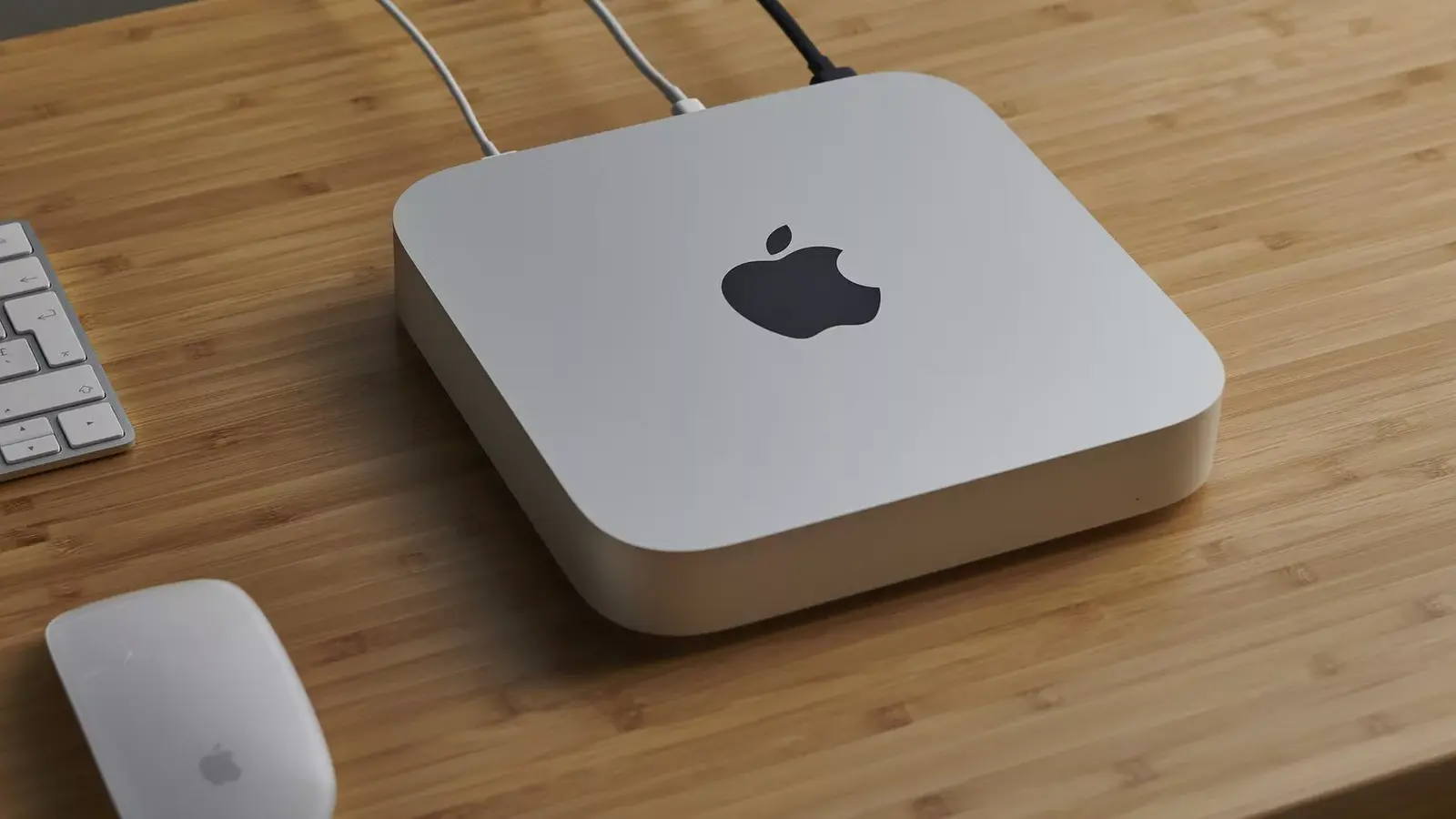
The Mac mini itself occupies a small but strategic corner of Apple's lineup. Research firm Consumer Intelligence Research Partners estimates it accounted for roughly 5% of Mac sales last year. Apple refreshed the machine in 2024 with its first major redesign since 2010 and new M4 and M4 Pro chips. At a base price starting around $599 in the U.S., the Mac mini is aimed at buyers who want an affordable, compact desktop — though they'll still need to provide a monitor, keyboard and mouse separately.
Apple has experimented with limited U.S. desktop assembly before. The company began producing the latest Mac Pro in Texas in 2019, and this new program continues that pattern of targeted onshore manufacturing. Apple is not moving all production — just a strategic slice aimed at the U.S. market. It's a signal as much as a supply-chain decision.
Behind the Houston headlines is a second shift: chip sourcing. Apple says it will buy more than 100 million chips this year from TSMC's Arizona plant. The purpose is clear — spread manufacturing geography and reduce reliance on East Asia for key components. In practice, that means processors made in Arizona, some machines assembled in Texas, and the rest of the world still served by proven Asian factories.
What does this accomplish? Resilience, domestic political credit, and a modest boost to local manufacturing jobs and suppliers. It doesn't rewrite global economics overnight. For consumers, prices and availability should remain broadly unchanged; for Apple, it's a hedge against disruption and a practical application of a massive U.S. investment pledge.
If Apple can stitch together chips from Arizona and assembly in Houston while keeping global lines humming, the real question is which device will be next to carry a "Made in USA" tag.


Leave a Comment
Comments
No comments yet. Be the first.