
3 Minutes
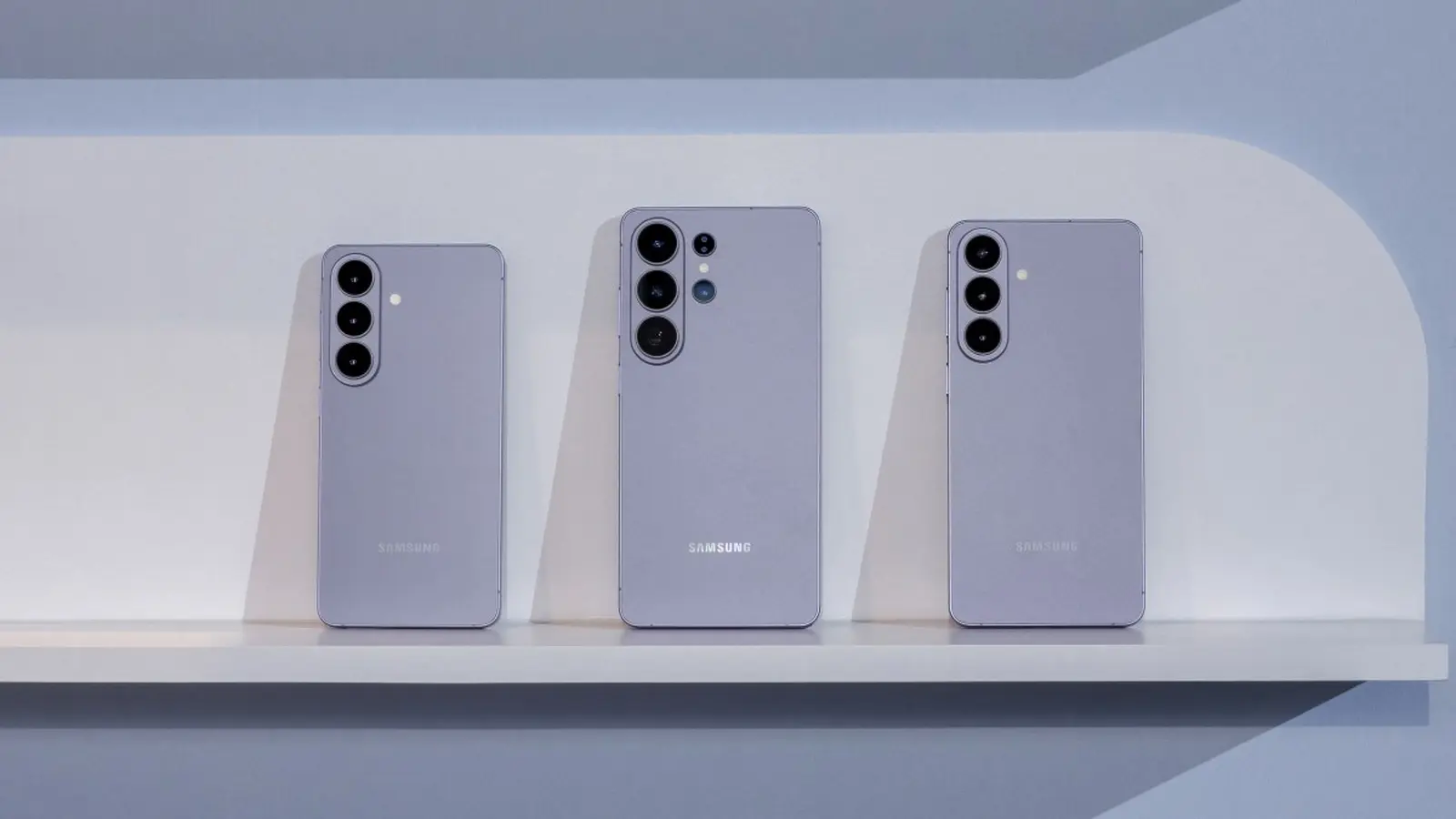
Memory prices are the new weather report for flagship phones: unpredictable, and often stormy. Samsung’s Galaxy S26 launch carried that mood — some models nudged up in cost, others held steady, and a few even dropped in specific markets.
Start with an awkward but telling change: the regular Galaxy S26 now begins at 256GB of storage, not 128GB as before. That’s good on paper — more room for photos and apps — but it comes with a small premium. In the US the S25’s base $860 tag has become $900 for the S26’s 256GB starter. The S26+ also saw price pressure: it kept its 256GB baseline but costs more than last year.
Then there’s the Ultra. The S26 Ultra breaks the pattern in an odd way. The base 12GB/256GB S26 Ultra sits around $1,300 in the US, essentially matching last year’s S25 Ultra price in some regions and even undercutting it in parts of Europe. But the higher-capacity models tell a different story. The 512GB and 1TB tiers cost noticeably more than their S25 counterparts — memory inflation at work — and the top 1TB option now ships with 16GB of RAM, not 12GB.
Regional differences matter more than ever. In Europe the S26 Ultra’s base price nudged slightly lower versus the S25 Ultra, while S26+ and the non‑Ultra S26 recorded modest hikes. In India and across parts of Asia and Oceania the increases were clearer: expect double-digit percentage bumps on some SKUs. Canada and Australia show similar splits — base Ultra prices roughly flat, but high-capacity variants carry heavier premiums.
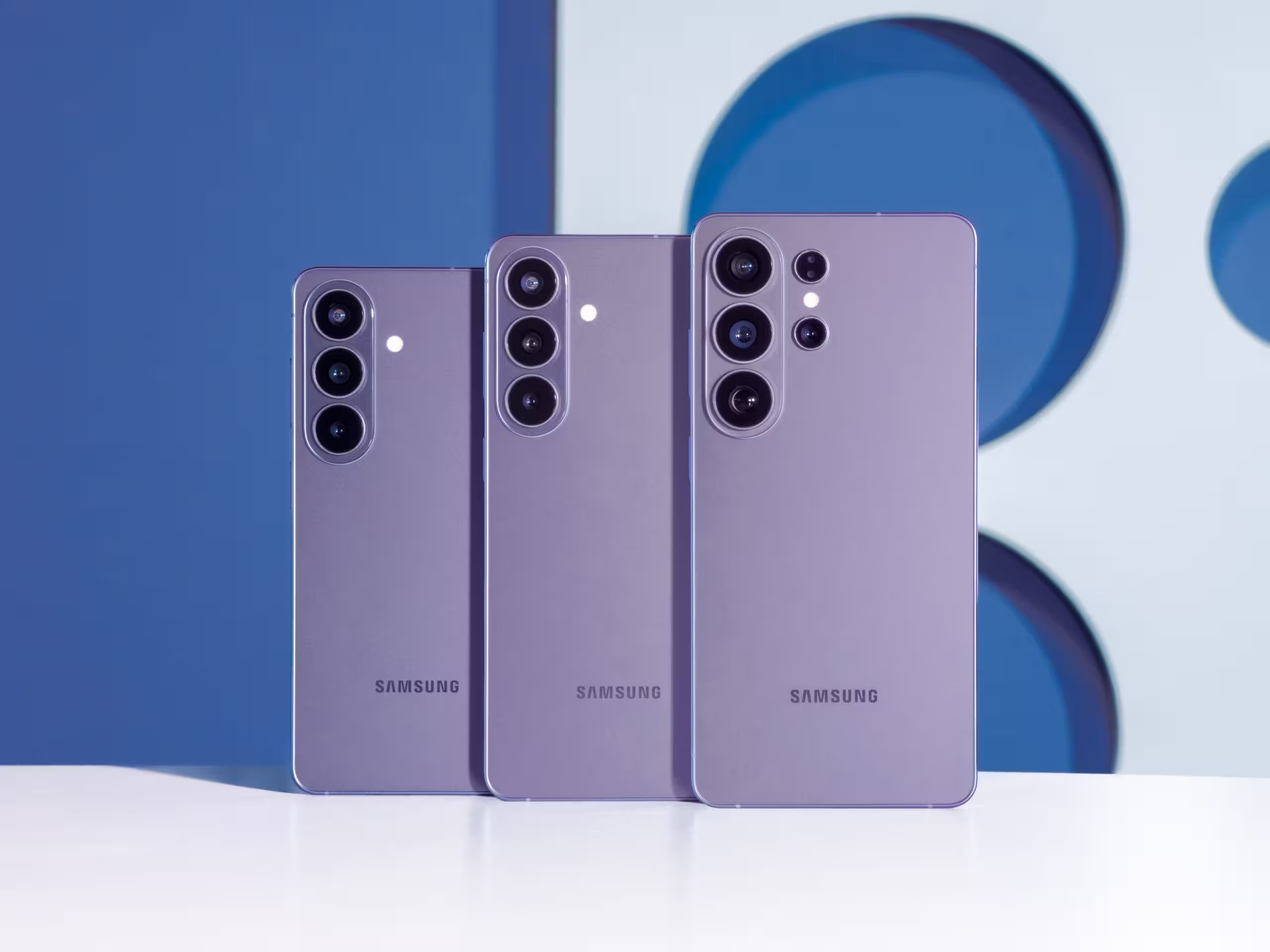
So how should you read the numbers? Think in two lanes. One lane is feature-driven: Samsung bumped the base storage on the vanilla S26, which reduces the need to upgrade immediately. The other is market-driven: raw component costs have pushed up mid- and high-tier prices, especially for large-capacity variants.
If you’re shopping, timing and region can shave or add meaningful dollars. Pre-orders opened immediately after Unpacked, with full retail availability from March 11. Samsung sent a $30/€30 pre-reservation credit to those who signed up early, and in several markets there’s a customary free storage upgrade promotion that effectively moves you to the next column of capacity at the lower listed price. The 1TB S26 Ultra isn’t a straight free-upgrade case, but you’ll often find launch discounts against the sticker price.
And this launch didn’t come alone. Samsung also introduced the Galaxy Buds4 and Buds4 Pro. The Buds4 are priced at $180/€180, while the Buds4 Pro come in at $250/€250 — unchanged from last year’s entry prices.
Numbers alone don’t tell the whole story. If you value base storage and futureproofing, the S26’s larger entry-level capacity is a practical upgrade. If you’re chasing maximum storage with the least compromise, expect to pay more for 512GB and 1TB models than you did a year ago. Shop early if you want the pre-order perks. Or wait a week and compare trade-in deals — carriers and retailers will likely bend prices for buyers who haggle.
We may earn a commission from qualifying purchases — but the math on storage and memory inflation is worth checking before you hit buy.


Leave a Comment
Comments
No comments yet. Be the first.