
2 Minutes
Someone grabs your phone. Fast. Your hand goes empty before your brain catches up. It's a moment designers and engineers dread — and Apple appears to be planning a response.
A recent report says Apple is developing an anti-snatch feature that could make an iPhone lock itself the instant it detects the kind of sudden, forceful movement associated with a grab-and-run. Think of it as a reflex for your device: a few milliseconds of sensors deciding to deny access.
It isn't a novel idea. Android already offers a Theft Detection Lock that leans on motion data and other cues to sense theft. Apple, according to the report, would use the iPhone's accelerometer in a similar way, watching for abrupt accelerations or angles that suggest the phone was wrenched away from its owner.
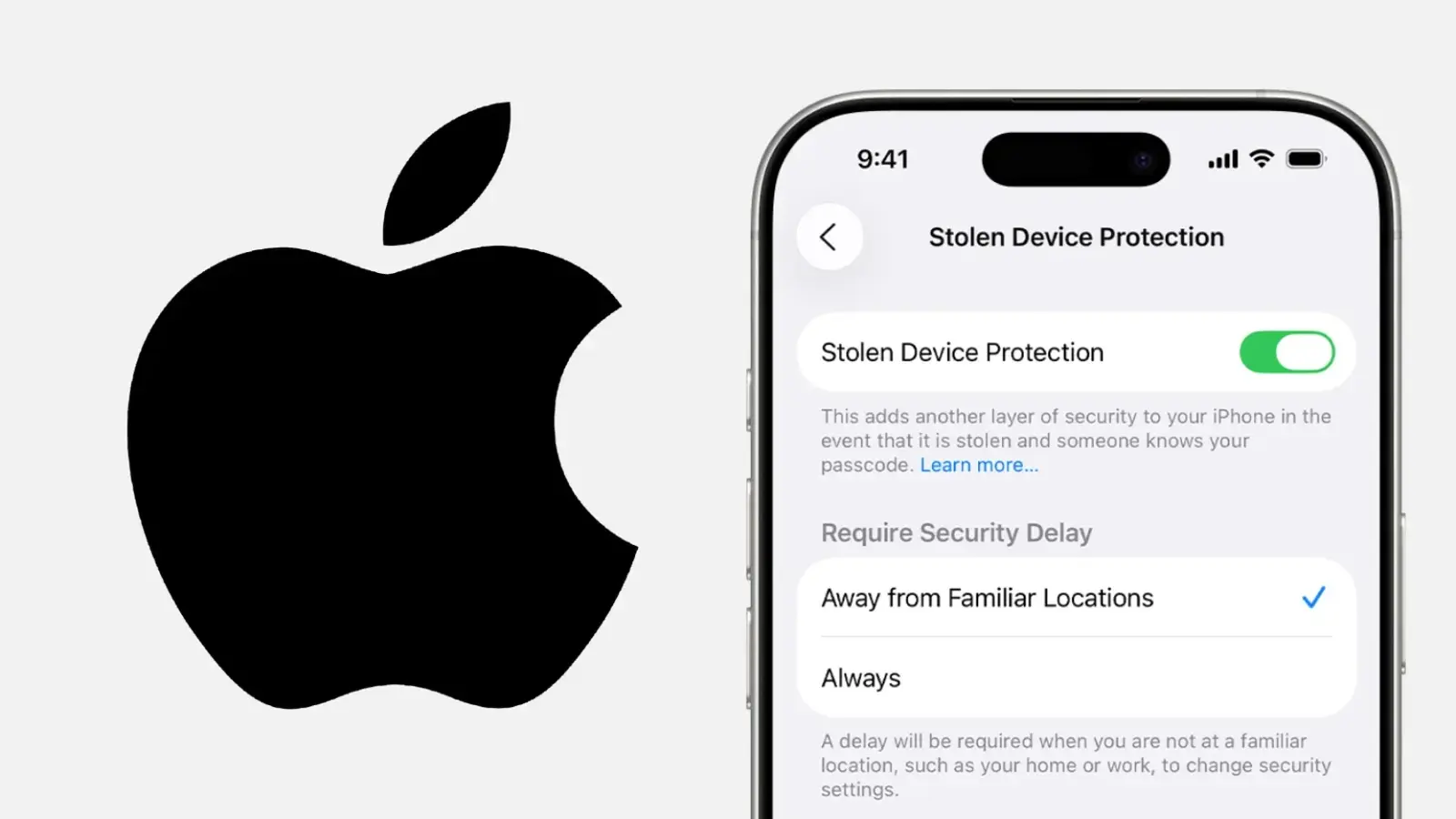
Yet Apple isn't expected to rely on motion alone. To avoid locking people out during a clumsy drop or while jogging with a pocket full of gadgets, the system would check contextual signals — connection to a trusted Wi‑Fi network, presence in a familiar location, or other criteria used by existing Stolen Device Protection measures. In short: the phone would ask, "Is this really a theft?" before slamming the door shut.

That raises practical questions. How will the phone handle emergency calls? What if someone borrows your device to call for help? Will Find My and other recovery tools still work if the device locks itself? Apple has a track record of balancing security with usability, so you'd expect fallbacks — temporary unlock windows, owner confirmations via nearby trusted devices, or an override for 911 calls.
There are also privacy and reliability angles to watch. Heavy sensor sampling can eat battery life. Aggressive motion thresholds risk false positives. And any auto-lock that ties into location or network signals must be transparent about what data it uses and when.
For users, this could be as simple as a toggle in Settings — enable anti-snatch protection or leave it off. For law enforcement and retailers, it could mean fewer active devices in circulation and a slightly different recovery workflow when phones are reported stolen.
No launch date has leaked. Apple testing cycles are long, and this kind of behavior-driven security needs careful tuning. Still, the idea is instinctively appealing: give your phone a little self-preservation. Would you turn it on the moment it arrives in your hand?


Leave a Comment
Comments
No comments yet. Be the first.