
4 Minutes
Chinese marques become dealer darlings in the UK
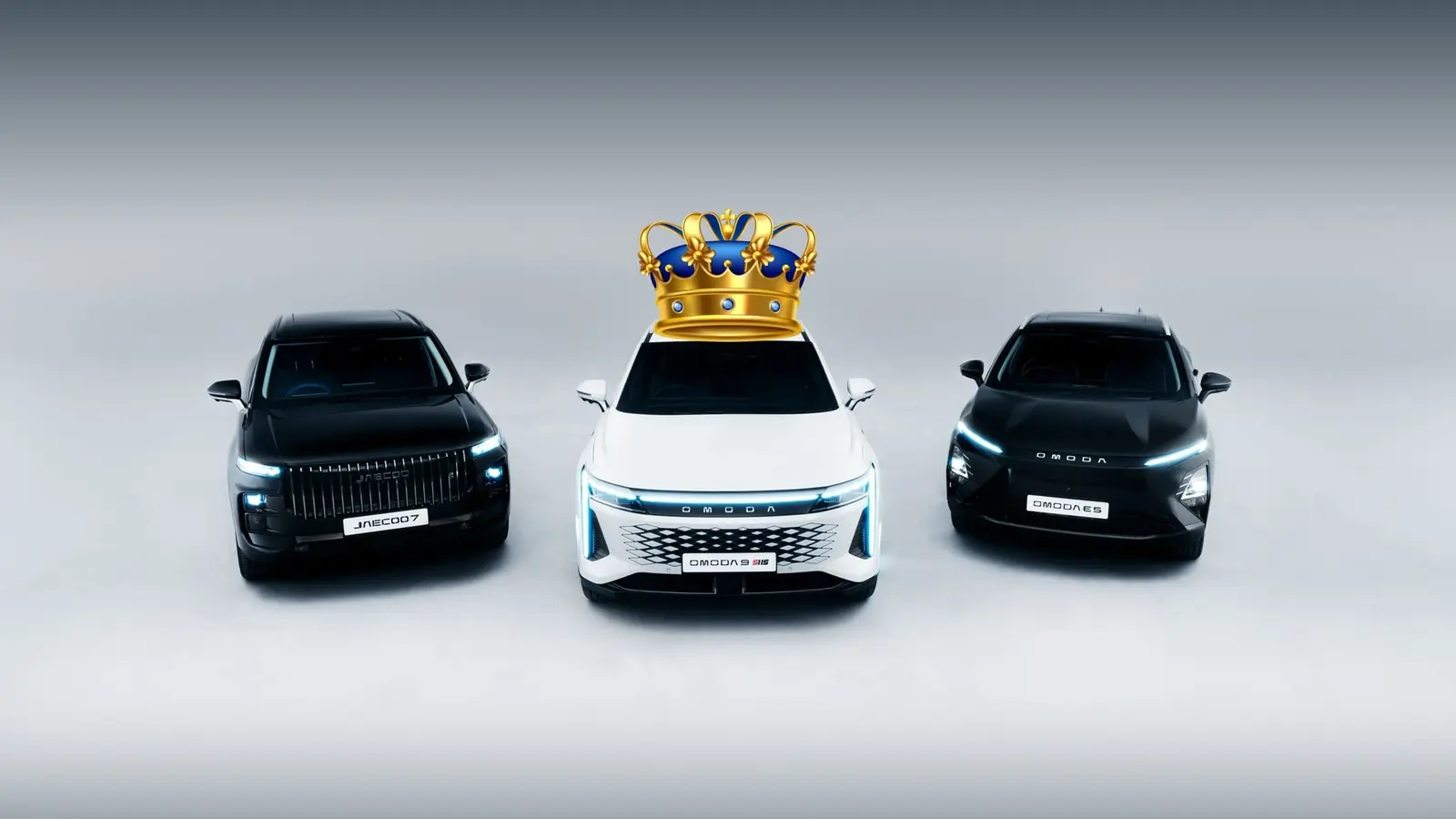
UK car dealers are increasingly turning to Chinese brands to boost margins and move more metal. Chery Auto Group's two sub-brands, Omoda and Jaecoo, have emerged as standout performers: affordable plug-in hybrids that combine striking styling, generous equipment and dealer-friendly commercial terms. According to the National Franchised Dealers Association (NFDA), the two brands now account for around 4.8% of the UK car market and are reshaping showroom strategy across the country.
Rapid retail growth and dealer economics
Dealership representation for Omoda and Jaecoo has grown fast — from just 91 outlets last year to 136 now — as more franchised dealers sign up. The NFDA data put the brands near the top across several commercial metrics: ranked third for realistic manufacturer volume targets, second for the ability to meet new-car targets in current market conditions, second for total margins on new cars, and first for current bonus and rebate rates. In plain terms, dealers are making better margins and receiving generous incentives, so they are more motivated to sell these models.

- Market share: ~4.8% of UK registrations for the two brands combined
- Dealer outlets: up from 91 to 136 in 12 months
- Rankings: top positions for profit return, rebates and target realism
These figures tell a clear story: when pricing, incentives and product align, dealer appetite follows quickly. The generous bonus and rebate structures also mean sales teams are aggressively pushing test drives and customer conversions.
What buyers are getting
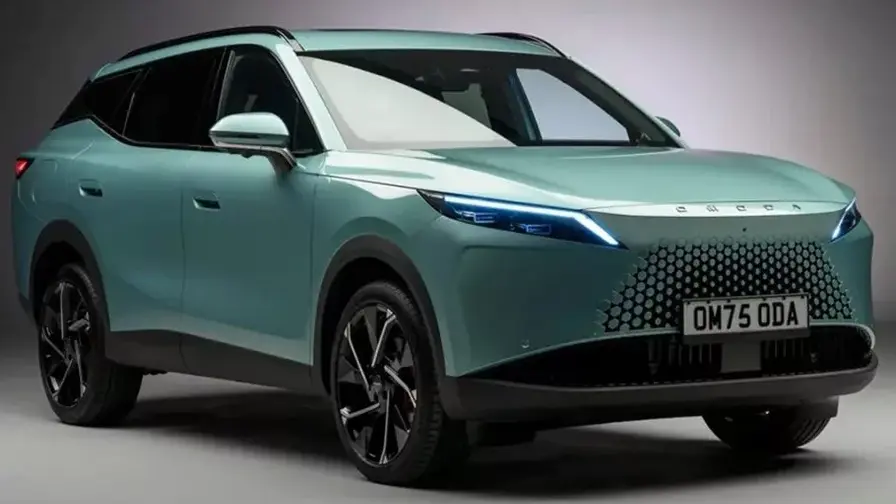
Omoda and Jaecoo models are pitched as very competitive plug-in hybrids and electrified SUVs. They often mirror the design language and premium cues of more expensive European rivals — while undercutting them on price. Buyers get modern infotainment suites, advanced driver assistance systems and comprehensive warranty packages that appeal to cost-conscious families and private buyers during a prolonged cost-of-living squeeze.

Performance and efficiency are typical PHEV strengths: emission-conscious urban driving in electric mode, with a petrol engine for longer trips. While specific battery sizes and pure-electric ranges vary by model, the overall proposition focuses on low running costs, practical range flexibility and feature-rich trim levels that feel like strong value for money.
Trade policy and the competitive landscape
The UK has so far chosen not to impose extra levies on Chinese imports post-Brexit, which has made pricing more attractive for consumers and dealers. By contrast, the EU has implemented tariffs or measures for several Chinese automakers: BYD faces a 17% rate, Geely 18.8% and SAIC a punitive 35.3% where cooperation was not forthcoming. Other compliant Chinese brands bound for Europe have been assigned a tariff of 20.7%.
Those levies affect the speed and price at which Chinese cars can penetrate different European markets. In the UK, the absence of additional duties, combined with aggressive dealer incentives and heavy marketing spend from the manufacturers, has accelerated uptake.

Marketing, reputation and regulation
The expansion has not been without controversy. There are reports that some Chinese automakers have used marketing agencies to secure favourable coverage and positive reviews in the UK market — a practice that would be more tightly scrutinised inside the EU, where sponsorship and paid promotion must be disclosed.
At the same time, big advertising budgets are helping Omoda and Jaecoo build recognition fast, and dealers are translating that awareness into sales. The overall effect is a commercial flywheel: attractive product plus heavy promotion equals stronger footfall and improved dealer profitability.
What it means for British marques
This shift in consumer preference poses a clear challenge for established British and European manufacturers. The combination of accessible electrified models, generous dealer economics and low import friction in the UK market creates pressure on home-grown brands to respond.
Quotes from industry insiders sum it up:
- 'Dealers are chasing margin and movement. When a model makes money and customers turn up, it becomes hard to ignore.'
- 'If domestic brands don’t adapt in price, trim or incentives, they’ll lose showroom space fast.'

Strategic takeaways for the market
- Product parity matters: design, tech and perceived quality are closing the gap with legacy European models.
- Commercial terms drive dealer decisions: rebates and realistic sales targets accelerate adoption.
- Trade policy will shape expansion: EU tariffs could slow some brands, while the UK remains a permissive early-adopter market.
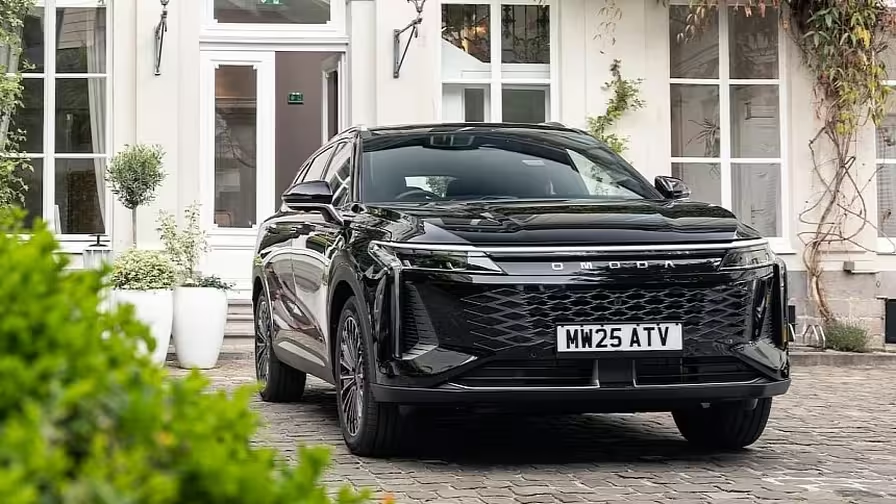
There is no single winner yet, but the trend is emphatic. UK dealers have discovered a profitable formula and are doubling down. For British manufacturers, the message is stark and simple — adapt quickly on product, pricing and dealer support, or risk losing ground to aggressively priced, well-equipped Chinese entrants.

Leave a Comment
Comments (2)
Nice value and tech, but kinda overhyped. Dealers chasing margins not customers. Hope regs step in or watchdogs call out paid reviews.
Are these Chinese cars really good long term? Dealers love the margins, sure, but build quality, resale and service networks worry me. If growth keeps up…