
3 Minutes
Unmasked in Korea — the next-gen Kona breaks cover
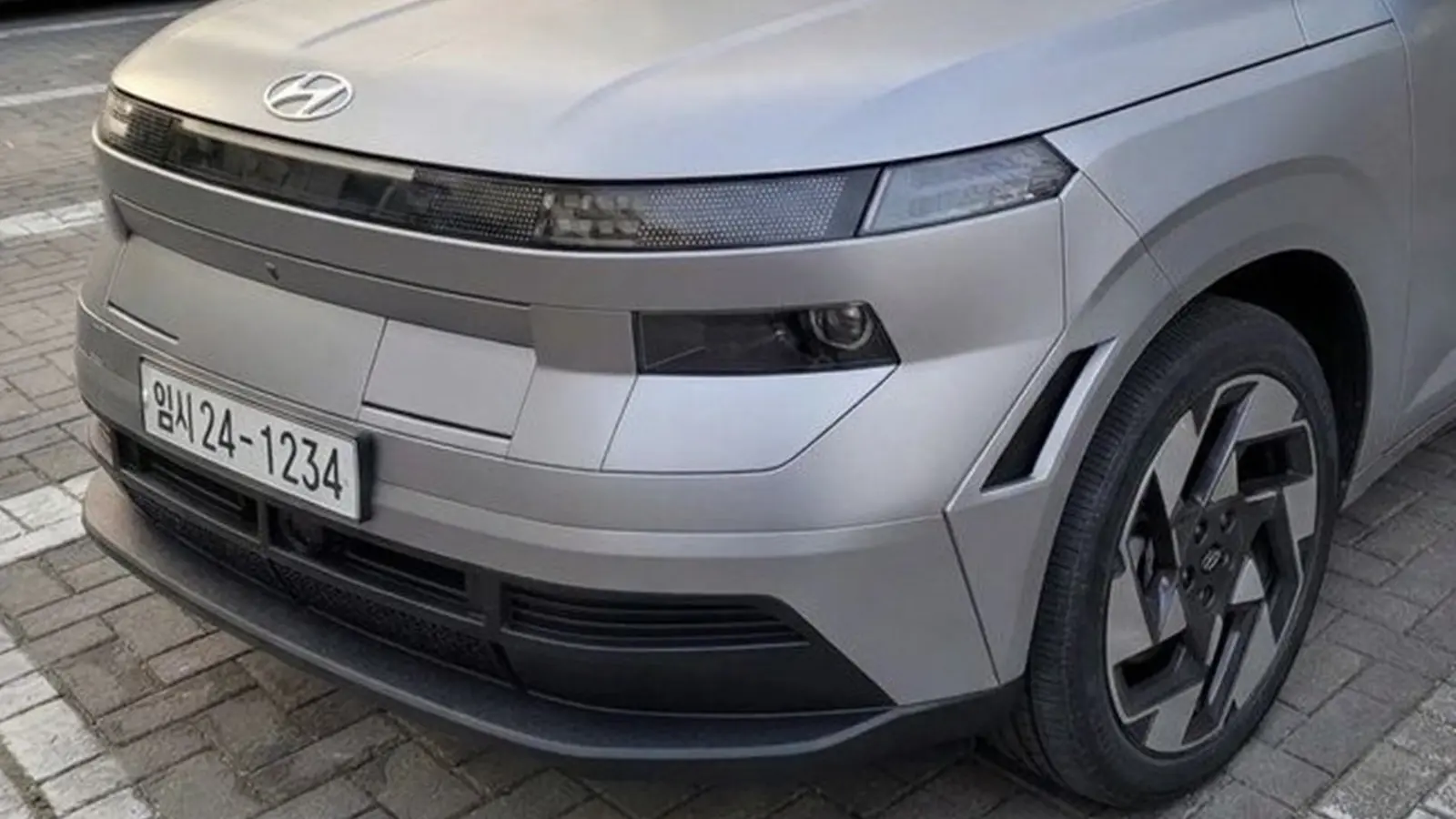
A clear photo circulating on X (credit: @EWVexillary) has lifted the veil on Hyundai's third-generation Kona, and the compact crossover looks markedly boxier and more rugged than its predecessor. After months of disguised prototypes — including a camouflaged towing mule spotted in the Alps — the production model has appeared completely undisguised in South Korea, giving us the best look yet at Hyundai's fresh design direction.
Design: tougher, more upright, and Ioniq-inspired
The new Kona seems to borrow styling cues from several recent Hyundai models. Observers note similarities with the latest Santa Fe and the upcoming Tucson in its more upright stance and stronger surfacing. Elements of the Crater Concept are visible, albeit in a toned-down, production-friendly execution. There are also subtle references to the Ioniq family in the lighting and grille treatment, which together present a cohesive, modern brand language.

This isn’t a dramatic departure into EV-only territory: the Kona keeps a familiar crossover silhouette but gives it a tougher, almost SUV-like presence. The result is a model that aims to appeal to buyers seeking practicality and a more muscular look in the compact segment.
Standout visual notes
- Boxier overall proportions compared with the outgoing Kona - Sharper creases and more pronounced wheel arches - Lighting cues and grille treatments that echo Hyundai’s recent concepts and Ioniq models
Powertrain lineup: EV plus multiple combustion options
Hyundai appears to be preparing a mixed powertrain strategy for the new Kona. While an EV variant is expected, conventional petrol and electrified gasoline options will also likely be offered. Early reports mention a possible electrified 1.6L producing around 151 hp, along with another 1.6L (likely turbocharged) and a naturally aspirated 2.0L. These details remain unconfirmed, so expect Hyundai to finalize horsepower and drivetrain configurations closer to the official launch.

Underpinnings: updated K3 architecture
The next-gen Kona is said to ride on an updated Hyundai-Kia K3 platform. This platform strategy keeps commonality with models such as the i30 Sedan/Elantra, the new i20, Accent, and several Kia siblings (K3, K4, Seltos, Niro). Shared architecture helps Hyundai streamline costs and offer a range of drivetrains across the group.
Why platform sharing matters
- Improved economies of scale - Faster development for hybrid/electric variants - Consistent safety and infotainment architecture across models

Market timing and positioning
Insiders expect Hyundai to debut the all-new Kona within a few months, aiming for a 2027 or possibly 2028 model year rollout depending on region. The Kona will continue to sit in the highly competitive compact crossover segment, targeting buyers who want a practical daily driver with a modern design and a choice of efficient powertrains.
Quick highlights
- First undisguised photos surfaced via X; prototype history includes Alpine spy shots - Design nods to Santa Fe, Tucson, Crater Concept and Ioniq models - Mixed powertrain lineup: EV plus electrified and conventional petrol units - Based on an updated Hyundai-Kia K3 platform - Expected debut in the coming months; likely 2027 model year arrival

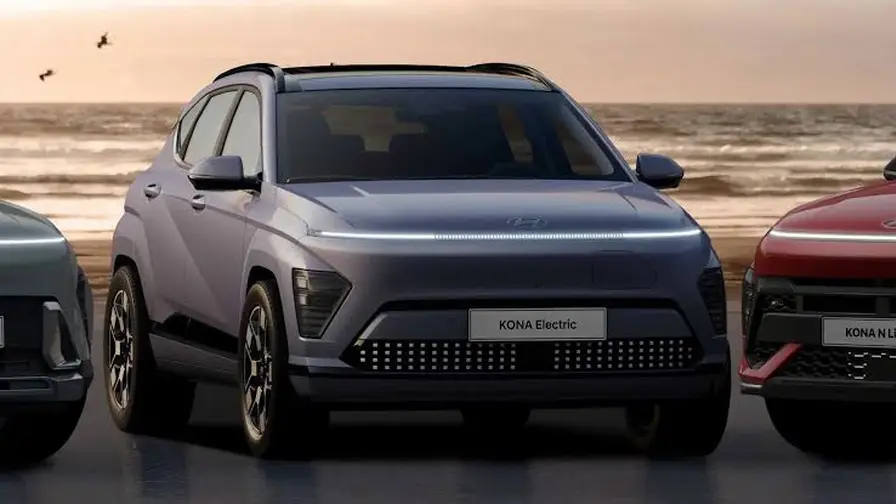
In short, Hyundai has chosen to skip the typical mid-cycle facelift for the outgoing Kona and instead invest in a full redesign. The result is a Kona that looks boxier and tougher, aiming to broaden its appeal while maintaining the versatility that made the model popular. Do you prefer the softer lines of the current Kona or the sharper, more rugged stance of the new generation? Share your thoughts — Hyundai seems to be betting that buyers will welcome the change.

Leave a Comment
Comments
No comments yet. Be the first.