
4 Minutes
Ford doubles down on a $30,000 electric pickup
Ford CEO Jim Farley has reiterated the company's commitment to a starting price of around $30,000 for its upcoming mid-size battery-electric pickup. Speaking on Ford's Q2 earnings call, Farley confirmed the zero-emission truck is advancing on a new, cost-focused architecture and remains slated for initial customer deliveries in 2027.
Platform, production and timeline
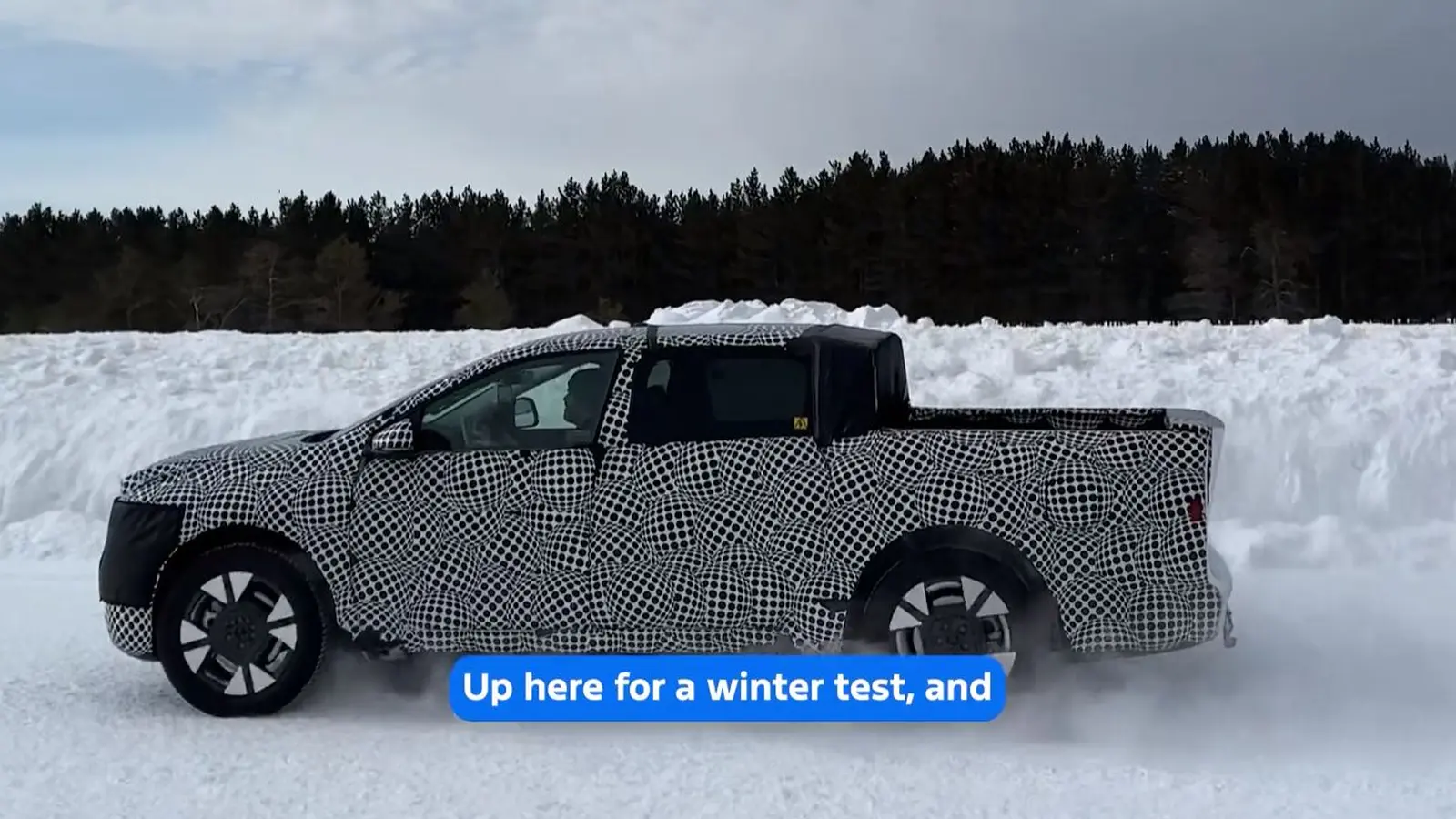
The truck rides on Ford’s Gen-2 architecture — publicly called the Universal Electric Vehicle (UEV) platform — a scalable underbody engineered specifically to lower per-vehicle costs and speed high-volume production. Retooling has begun at the Louisville Assembly Plant in Kentucky, which previously built the Escape and its Lincoln counterpart, and camouflaged prototypes are already logging validation miles around Dearborn.

Ford’s Model e unit has faced profitability headwinds with vehicles like the Mustang Mach-E and the F-150 Lightning. Farley stressed that the company is aggressively trimming Gen-1 EV expenses while pouring capital into the UEV program to deliver more affordable BEVs made in the U.S.
What Ford has confirmed — and what remains secret
There are still important unknowns: battery capacity, estimated driving range, towing and payload numbers, and exact model-year designation (the truck could be sold as a 2027 or 2028 model). What we do know from Farley and visible prototypes:
- Targeted starting price: ~$30,000.
- Body style: crew cab, mid-size pickup packaging.
- Interior space claims: reportedly more cabin room than a Toyota RAV4 (Ford did not specify which RAV4 generation).
- Bed size: appears closer to the compact Maverick than to the larger Ranger.
- Technology: bidirectional charging and a personalized in-cabin experience are confirmed.
- Navigation: Apple Maps will be the embedded map provider via Apple’s MapKit for Automotive SDK.
"We'll offer customers a wholly new proposition that we can't find in the market today," Farley said on the call, underlining Ford's intention to undercut existing electric trucks while competing directly with internal-combustion and hybrid alternatives.

Performance and driving feel
Ford has previously hinted at Mustang EcoBoost-like acceleration for this EV, a marketing shorthand that suggests brisk 0–60 mph performance in the low-4-second range. For mainstream buyers, that promises an engaging driving experience without entering high-performance price territory.

Market positioning and competitors
At a $30,000 entry point, Ford’s truck would undercut virtually every battery-electric pickup currently on sale in the U.S. The closest price rival is the Blank Slate single-cab truck with a $24,950 starting MSRP, but that vehicle is limited by single-cab packaging and a modest estimated range (about 205 miles or 330 km).
Ford is aiming for a different audience: buyers who want practical crew-cab comfort, everyday usability, and attractive EV running costs — at a sticker price that makes electrification more accessible.
Highlights:
- High-volume manufacturing planned in Louisville to reduce costs.
- UEV Gen-2 platform designed for scalability and efficiency.
- Bidirectional charging could enable vehicle-to-home or vehicle-to-load use cases.
- Apple Maps integration, not Google Maps, as embedded nav.
Why this matters
If Ford hits the $30K target without sacrificing range, capability or durability, the truck could be a catalyst for wider EV adoption among pickup buyers — a segment dominated by legacy gasoline models. Affordability is the missing link for many consumers, and Ford’s bet is that a competitively priced, practical electric pickup will grow BEV share in North American truck markets.
There are risks: battery and towing specs will determine real-world utility, and Ford must avoid the software, quality or aftersales issues that can tarnish early EV launches. But with UEV production plans and clear cost-reduction priorities, Ford is positioning this model as a volume EV rather than a halo product.
For now, enthusiasts and fleet buyers alike will be watching validation miles, final specs and the official reveal closely. Deliveries are still on track to begin in 2027, and more concrete technical details should follow as Ford moves from prototypes to production tooling.

"We’re building an electric truck that competes on price, packaging and driving feel," said Farley — and that summary captures the stakes for Ford and the broader pickup market.

Leave a Comment
Comments (2)
Apple Maps only? odd choice. Retooling in Louisville makes sense but where are the battery specs, range and tow numbers? Can't judge yet
Wow $30k for a crew-cab EV? If Ford actually nails range and towing, this could change pickups forever... but i'm skeptical, tbh