
4 Minutes
Former Ferrari chief criticises Luce as brand faces fierce backlash
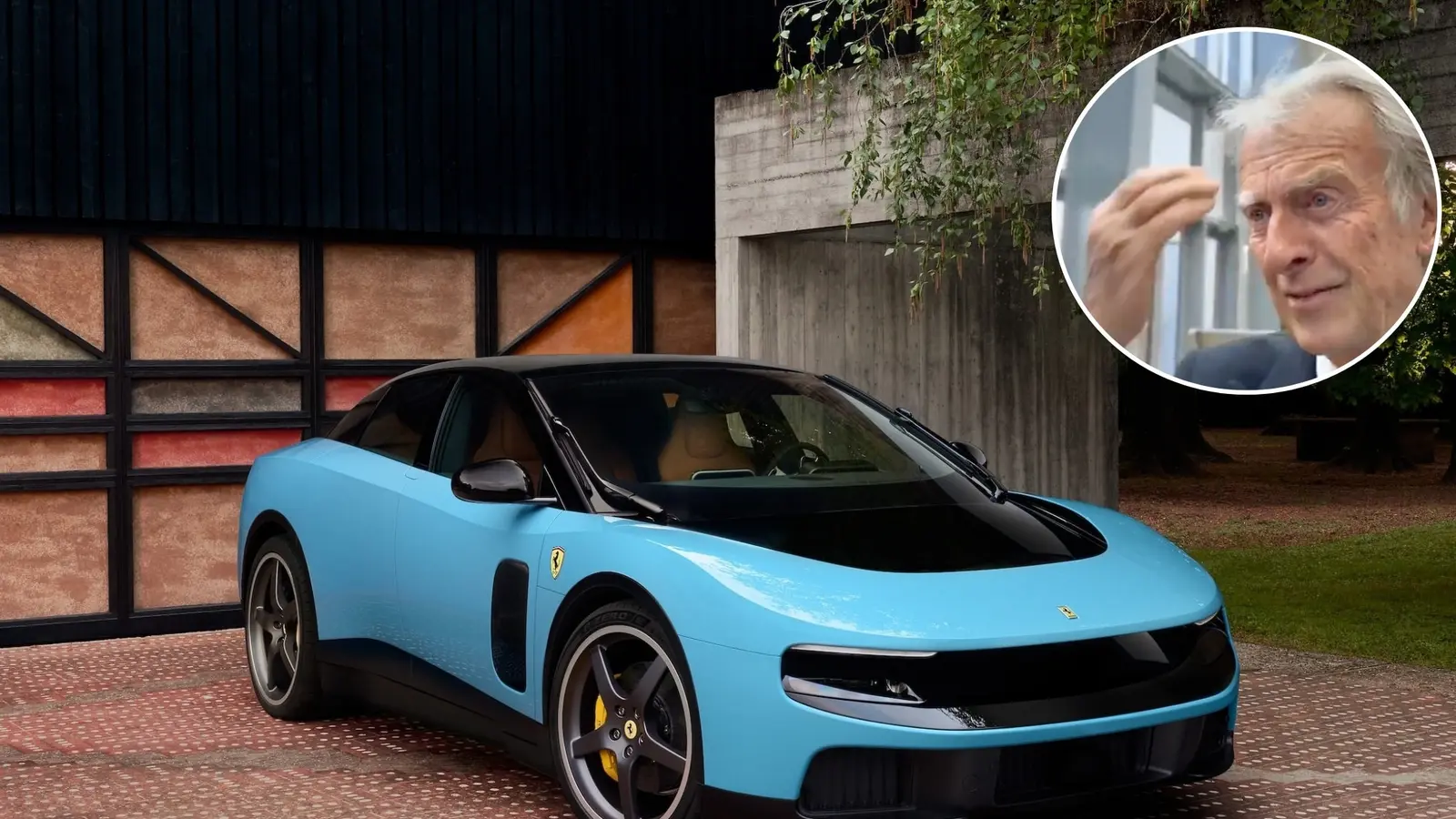
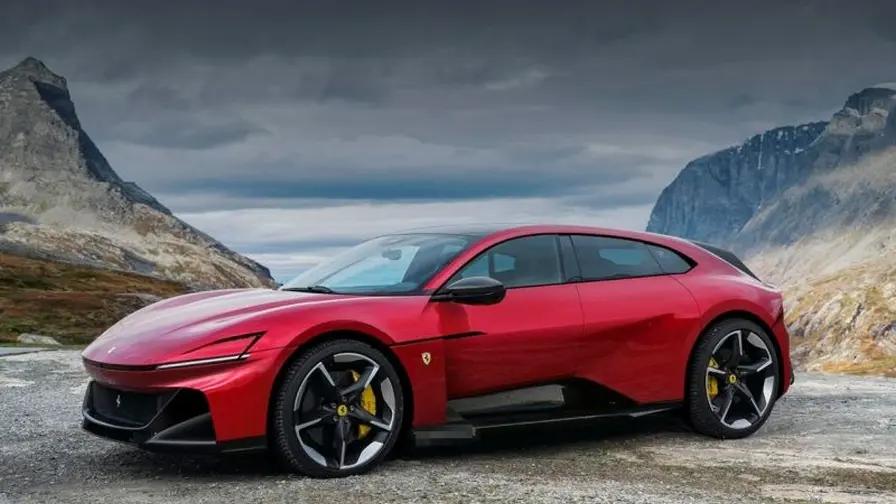
The Ferrari Luce's launch has ignited a storm of criticism that shows no signs of letting up. Unveiled only hours ago, the company's first high-profile electric model has been labelled everything from 'an iPhone on wheels' to a 'Honda look-alike' and even compared—unflatteringly—to Fiat's controversial Multipla. Those barbs have come not only from pundits and the public, but from one of Ferrari's most recognizable figures: ex-chairman Luca di Montezemolo.
Di Montezemolo, who famously insisted during his tenure that Ferrari would not build an EV, did not mince words. While careful to avoid needlessly harming the brand he once led, he warned that the Luce risks undermining Ferrari's legacy and questioned whether the Prancing Horse should be displayed on the model he described as a departure from the marque's traditional identity.
Design under fire — and what that means for Ferrari
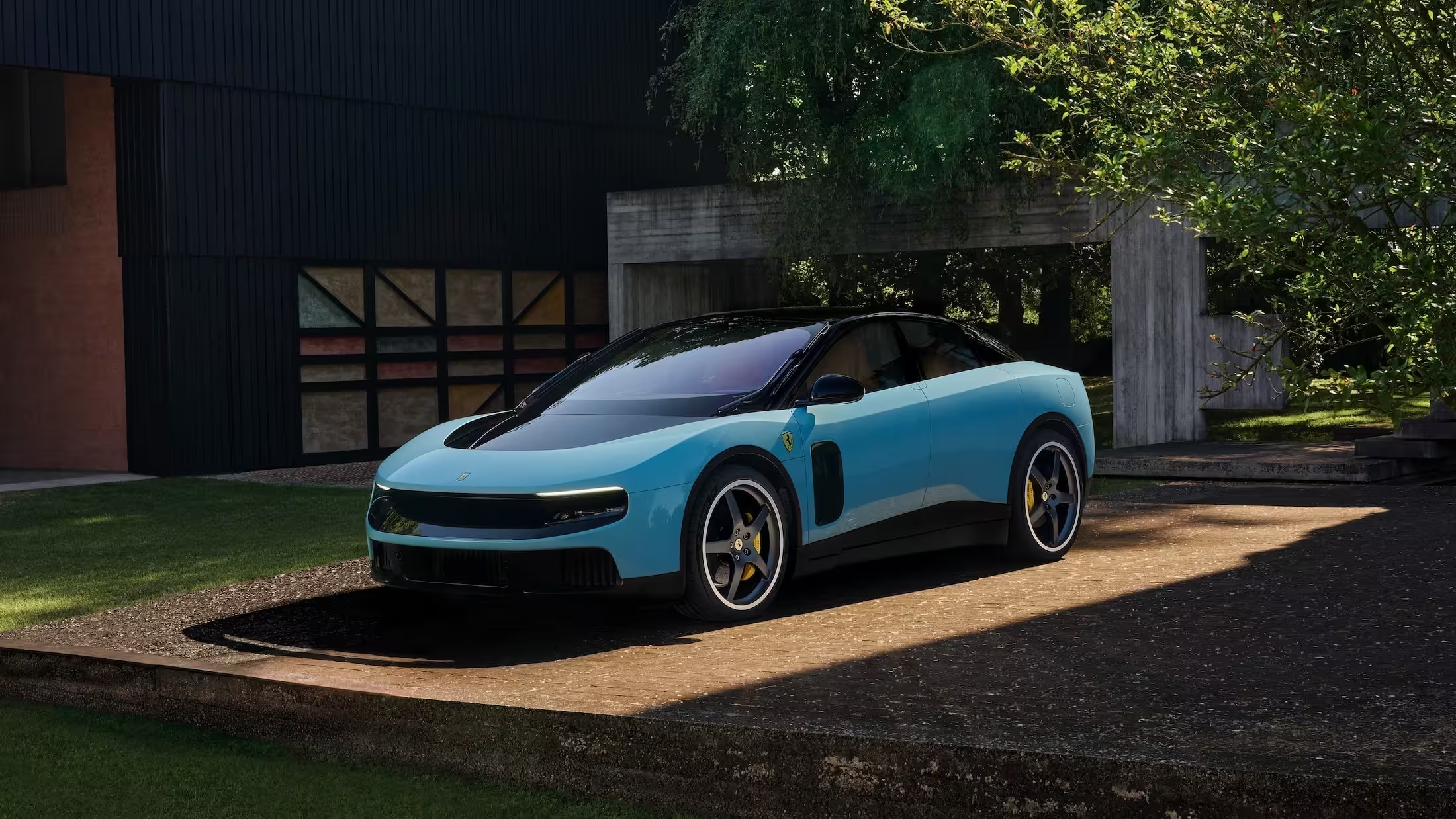
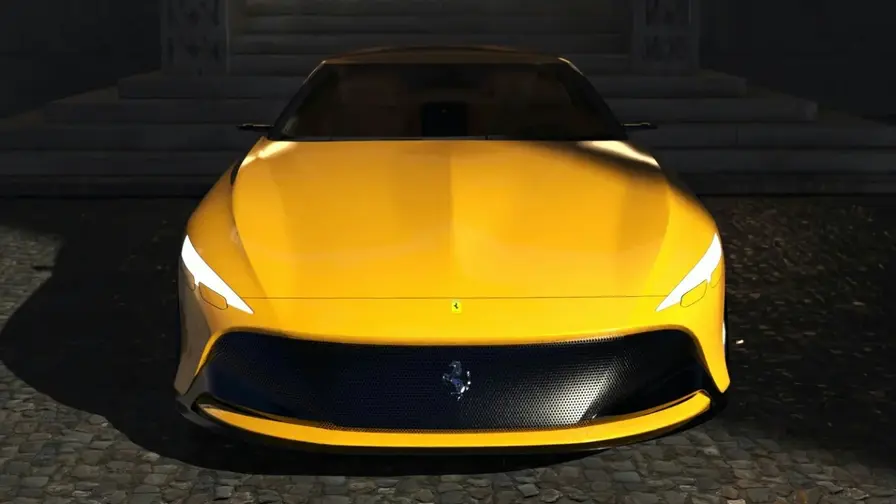
The Luce’s styling has become the focal point of the debate: its silhouette and frontal treatment stray from the classic Ferrari cues that enthusiasts expect. The car retains a few recognisable nods—the rear lights that echo the 360 Modena and 458 Italia, and of course the Prancing Horse—but critics argue these elements are not enough to cement the Luce as a genuine Ferrari in visual terms.
Highlights:
- Design comparisons: Multipla, Honda models, and even tech devices
- Key Ferrari cues: taillight references to 360 Modena and 458 Italia
- Political reaction: high-profile Italian figures also voiced displeasure

Italy's deputy prime minister and transport minister weighed in on social media, wondering whether the Luce represents true innovation and musing on what Enzo Ferrari would have thought of the car—a line of criticism that underscores how emotionally charged this shift to electrification has become in Italy.
Market context and strategic shift
Ferrari's move into electric vehicles comes at a tricky moment for performance brands. The company waited longer than some rivals to embrace electrification, watching the market and its rivals—Lamborghini notably shelved its Lanzador EV project—before committing. The Luce is Ferrari's attempt to marry the brand's performance DNA with an electric powertrain, but the launch shows how difficult that balancing act can be.
Di Montezemolo also made a pointed remark about design deterrents, suggesting that the Luce is unlikely to be copied by Chinese manufacturers who have previously produced models mirroring European designs. His comment, meant to be cutting, highlights another worry for Ferrari: the risk of diluting a carefully cultivated image when a design fails to resonate.

Performance and positioning — what we know
Ferrari has released limited technical details so far, focusing more on positioning than on figures. The Luce is presented as a premium electric model aimed at expanding Ferrari's portfolio and competing in the growing luxury EV segment. While enthusiasts await concrete horsepower, range and drivetrain configurations, much of the discussion remains anchored to aesthetics and heritage rather than outright performance.
Why the reaction matters
Beyond social media mockery, the controversy signals a broader tension in the industry: how storied sports-car brands modernise without alienating loyal buyers. Design choices have commercial implications—brand perception impacts resale values, collector interest and long-term positioning in a market shifting toward electrification.
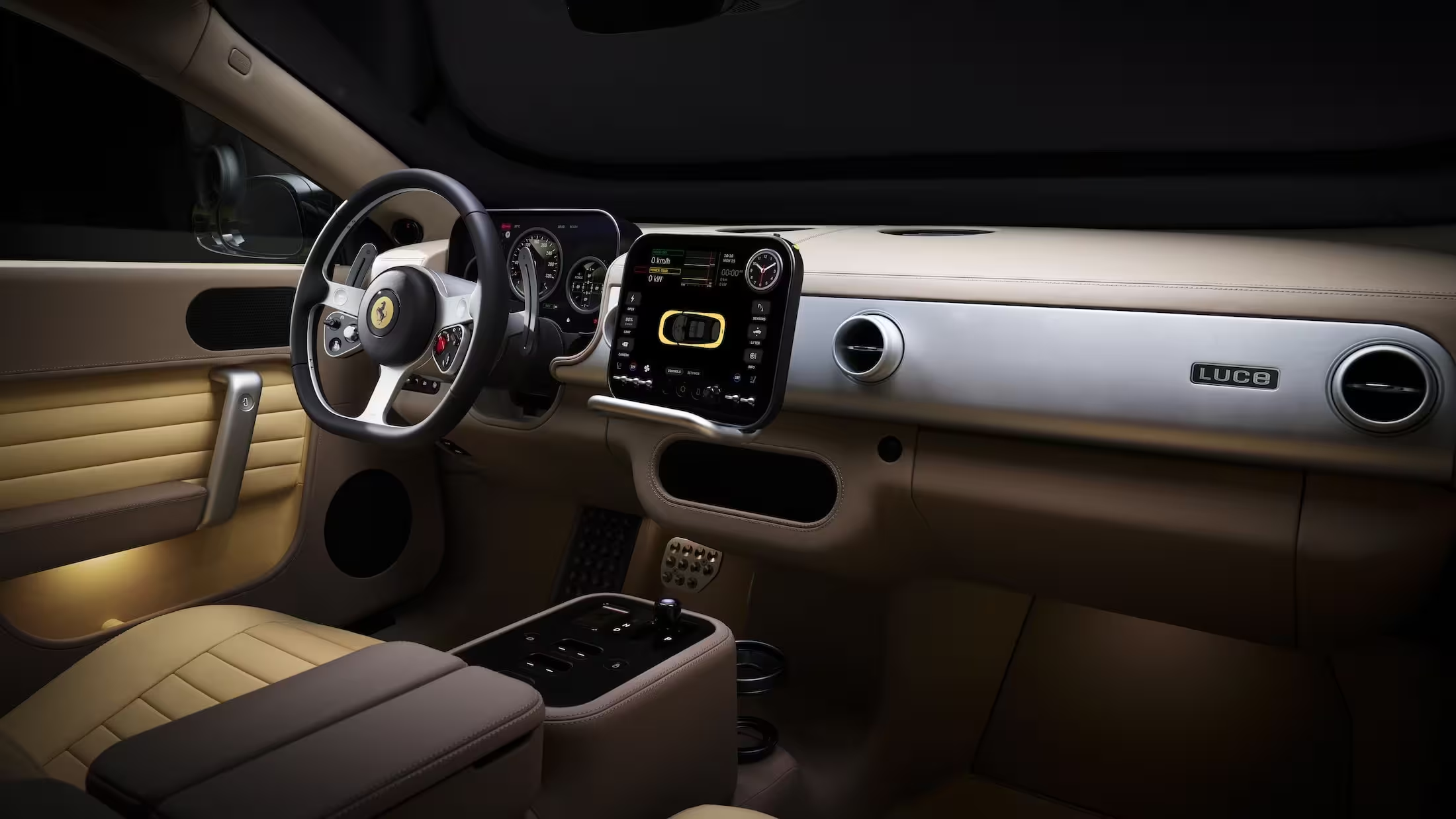
In short, the Luce launch is more than a styling debate. It’s a test of Ferrari’s ability to evolve while preserving the emotional and visual cues that made the marque iconic. Whether Ferrari can win over critics, stabilise public perception, and prove the Luce delivers on performance and experience remains to be seen. For now, the car has already achieved one thing: it has everyone talking.
'If the design fails to convince enthusiasts, no amount of technical wizardry will fully erase the impression,' says a market analyst. That judgement may prove decisive as Ferrari navigates its electric future.

Leave a Comment
Comments (2)
Is this even Ferrari's design team? Feels more like a tech product wrapped in red. If range and drive aren't stellar then why bother
Wow, the Luce looks... off. Luca's not wrong, can you really slap a Prancing Horse on that? Feels like an iPhone on wheels, performance better be unreal to save this one, idk