
5 Minutes
Waymo introduces the Ojai and starts driverless rides
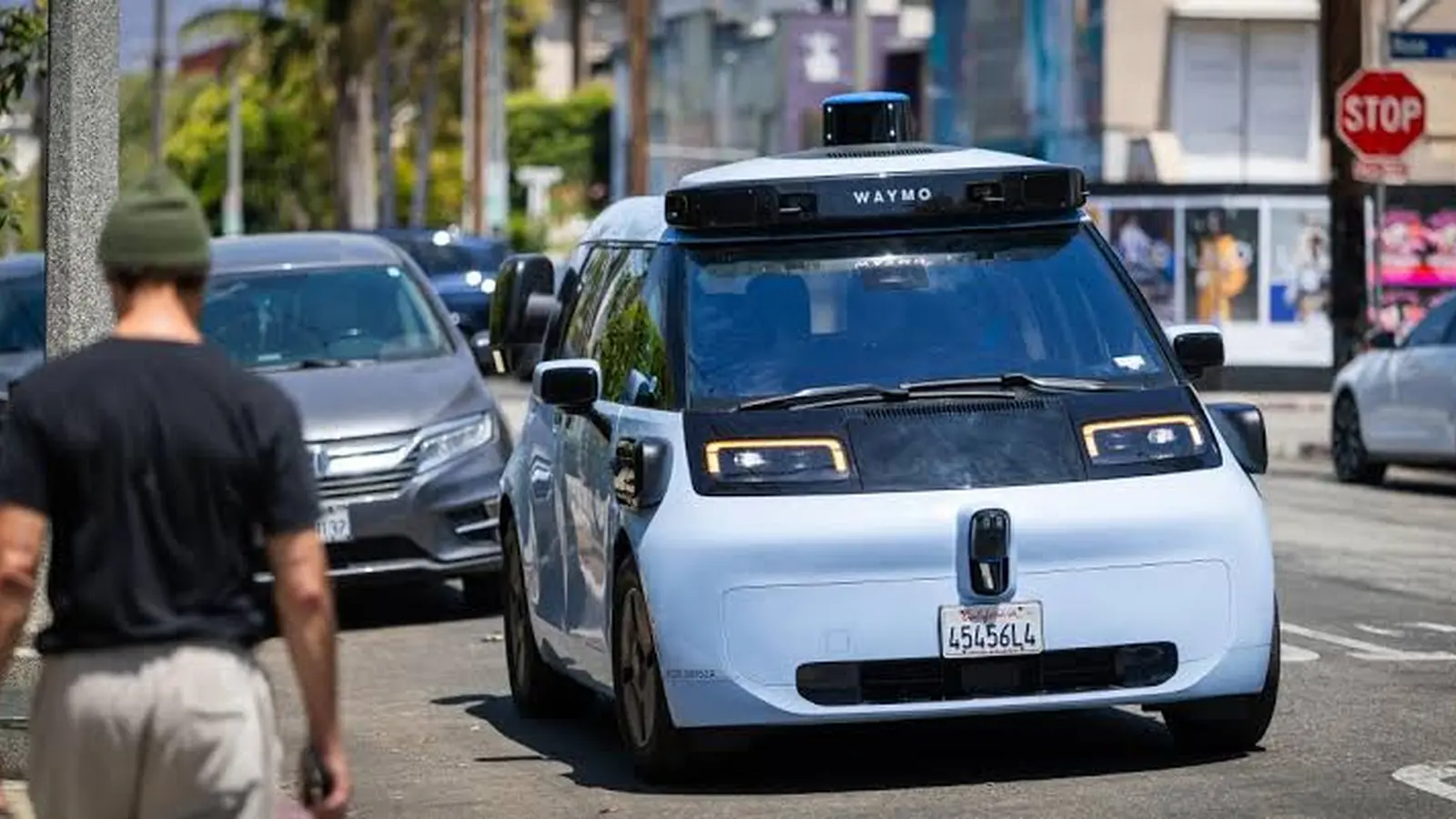
Alphabet's self-driving arm has taken a major step away from converting passenger EVs into robotaxis. Waymo today unveiled the Ojai, its first vehicle designed from the ground up for autonomous ride-hailing. The company has already begun offering complimentary trial rides to select customers in San Francisco, Los Angeles and Phoenix as it phases the new model into regular service.
Why this matters for autonomous mobility
The Ojai represents a strategic pivot: instead of adapting consumer electric cars, Waymo now builds a purpose-built EV optimized for passengers, safety and continuous operation. That change matters because Waymo operates at scales most rivals only dream about. The company has logged over 20 million fully driverless trips across 11 cities, runs an active fleet of more than 3,000 electric cars and handles roughly 500,000 paid rides per week across a service area exceeding 3,626 square kilometers. A recent €14 billion funding round lifted its valuation to about €108 billion, accelerating global rollout plans and product investment.
From Zeekr platform to Arizona outfitting
Geely's premium EV brand Zeekr supplies the Ojai's base bodies, which are assembled in China and then shipped to Waymo's specialized facility in Mesa, Arizona. There Waymo technicians integrate the proprietary autonomous hardware and finalize interior fits focused entirely on passengers rather than drivers.
Design and passenger-focused interior
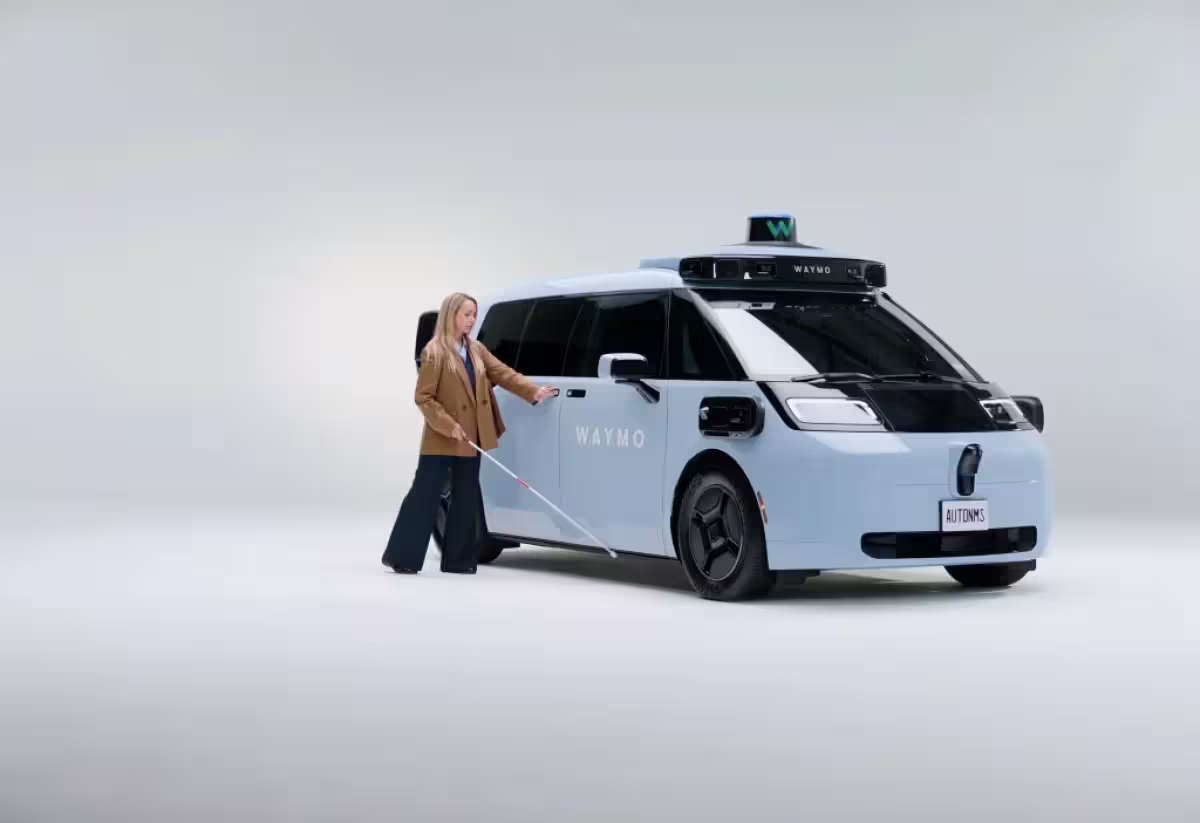
Designers removed driver-centric compromises to make the cabin more efficient for ride-hailing. The Ojai swaps a conventional B-pillar for a structure that allows dual sliding doors and a flat, open floor. An elevated roofline and generous legroom create a light and airy interior that fits up to four passengers, including one front occupant seated beside the space where a steering wheel would normally be.

Accessibility and quick turnaround were core priorities:
- Low step-in height and integrated grab bars aid entry for passengers of all abilities
- Braille markings and intuitive, tactile controls assist visually impaired riders
- Durable, easy-to-sanitize surfaces reduce cleaning time between trips
Rear passengers get three adaptive touchscreen panels for media and climate control, plenty of charging ports and practical cup holders. These passenger-first choices cut maintenance downtime, a critical advantage when thousands of cars run continuous urban service.
Performance and battery architecture
Under the skin the Ojai is straightforward and tuned for reliability. A single 200 kW (268 hp) electric motor drives the rear axle, while a 93 kWh lithium-ion battery sits on an 800V electrical architecture for fast charging and efficient thermal management. The powertrain balances range and cost for high-utilization ride-hailing fleets.


Sixth-generation Waymo Driver: fewer but stronger sensors
The headline technical change is Waymo's sixth-generation Driver package. Engineers cut the total sensor count by 42% versus the older Jaguar I-PACE fleet: the Ojai uses 13 cameras instead of 29, four LiDAR units instead of five, and six radar units. To compensate, Waymo upgraded the quality of each sensor, introducing a 17-megapixel camera imager that claims high-resolution performance at night and object detection up to 500 meters in darkness.
This hardware consolidation lowers per-vehicle sensor costs to below €17,000 for the sixth-gen package, a key milestone on the road to per-ride profitability. The refined sensor suite also improves performance in adverse weather, enabling winter testing and expansion into colder, wetter markets like Chicago, and supporting longer-term plans for London and Tokyo.
Market positioning and competition
Waymo's aggressive rollout widens the competitive gap domestically. Tesla, for example, is testing only about 25 unsupervised robotaxis across a few Texas cities, while promising a two-seat Cybercab aimed at greater energy efficiency. Chinese tech rivals such as Baidu operate large fleets at home, but in the US market Waymo stands alone in scale and operational maturity.

Key advantages highlighted by analysts:
- Purpose-built design optimized for passenger throughput and maintenance
- Lowered hardware costs improving unit economics
- Proven operational scale with millions of driverless miles already completed
Real-world testing, edge cases and expansion plans
Waymo has not been immune to operational challenges. The company temporarily paused services in some areas when its autonomous stack struggled to identify severely flooded roadways, a reminder that edge cases still demand constant software refinement. Despite that, sightings of Ojai vehicles using public EVgo fast chargers in Sacramento show Waymo is actively testing the fleet on open roads.
Waymo expects to ramp production to tens of thousands of Ojais per year and to port its autonomous hardware to other platforms, including the Hyundai IONIQ 5. The company is laying groundwork in cities like Chicago and preparing regulatory and operational steps for international launches.
Quote
'Designing a vehicle specifically for robotaxi service unlocks efficiency and accessibility that retrofitted cars cannot match,' said industry observers. 'The Ojai is a clear signal that Waymo is doubling down on large-scale, commercial autonomy.'
What to watch next
Watch for expanded public trials, winter performance reports, and commercial pricing once free rides end. If Waymo can maintain safety and reliability while reducing hardware costs, the Ojai could redefine how cities host autonomous ride-hailing and accelerate broader adoption of self-driving EVs.

Leave a Comment
Comments (2)
Sensor count cut, fancier cameras, cheaper hardware under €17k? Sounds optimistic. But who pays if the software misses a flooded street — liability worries me, still skeptical tho
Whoa a purpose-built robotaxi? Finally. Love the passenger-first tweaks, flat floor and sliding doors.. curious how they handle snow, costs, and if rides gonna be cheap. City transit probs about to change