
6 Minutes
Lamborghini’s U-turn: from first EV promise to cancellation
Lamborghini stunned the automotive world twice in recent years: first by announcing it would build its first fully electric model, then by quietly shelving that project. The Lanzador — once billed as a 2+2 grand tourer and the brand’s entry into zero-tailpipe performance — was on a roadmap announced in May 2021. Fast forward to February 2026, and CEO Stephan Winkelmann publicly confirmed the model was no longer coming, citing customer interest in pure-electric supercars as "close to zero." What happened in between, and how does this decision reshape Lamborghini’s electrification strategy?

From roadmap promise to changing market realities
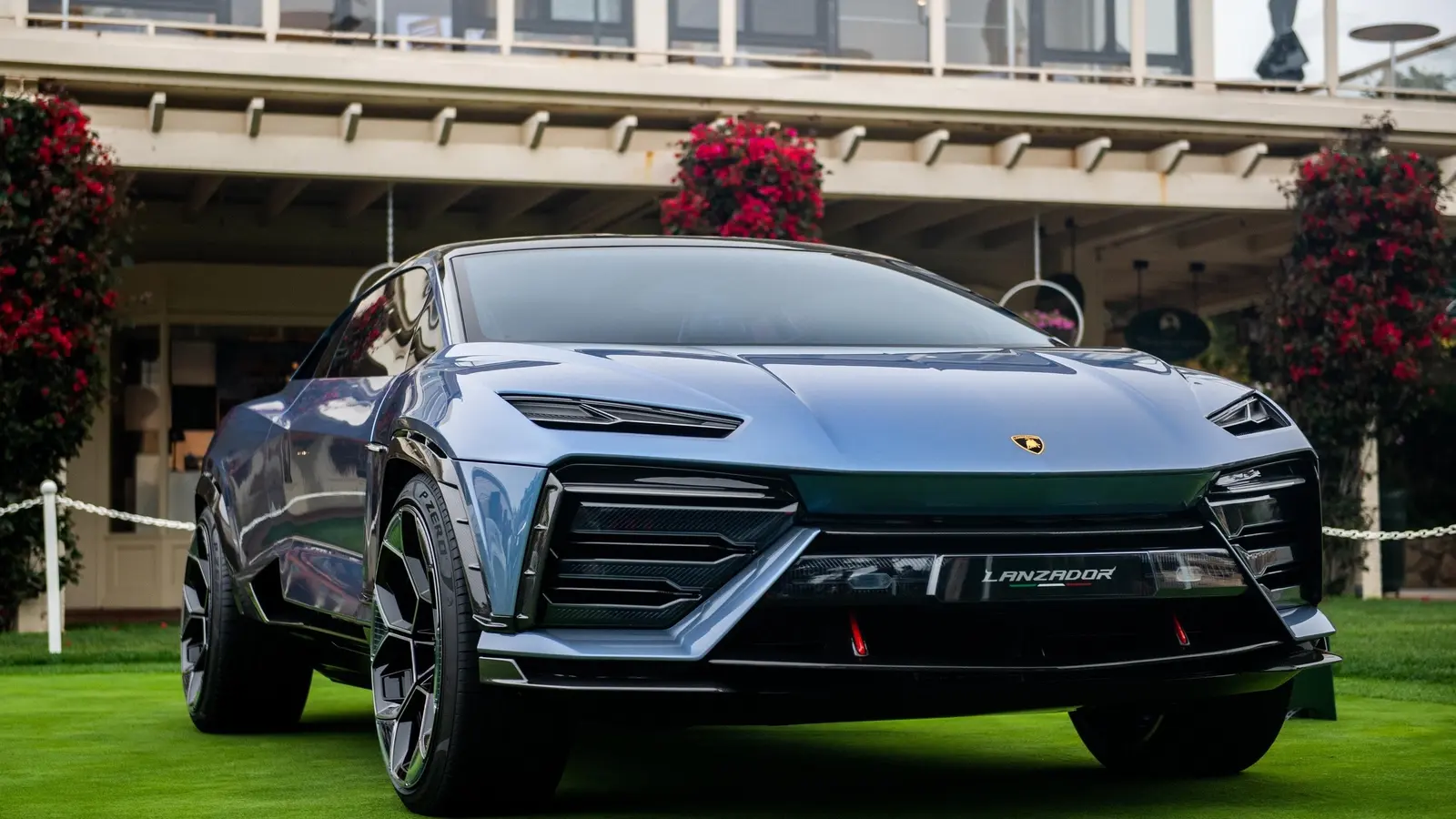
Lamborghini initially positioned its EV program as part of a broader sustainability plan called "Direzione Cor Tauri," an electrification and decarbonization strategy. The Lancador concept was shown to the public as a futuristic preview of a full-electric flagship: a 2+2 GT with more than 1,300 horsepower promised, and a projected arrival in the latter half of the decade.
Over the following years, market signals shifted. Luxury buyers continued to prize traditional V10 and V12 soundtracks, emotional driving dynamics and the visceral character of internal-combustion engines. Meanwhile, acceptance of full-electric hypercars remained uncertain among supercar collectors and core Lamborghini clients. That tug-of-war between corporate sustainability targets and customer demand eventually pushed Lamborghini to rethink the cost-benefit equation.

Timeline highlights
- May 2021: Lamborghini confirms plans for its first full-EV as part of its electrification roadmap.
- Public concept reveal (Pebble Beach preview) later showcased the Lanzador’s design intent and ambition.
- Late 2024: Release window revised from 2028 to 2029 amid shifting market conditions.
- February 2026: CEO Stephan Winkelmann announces the pure-EV Lanzador is cancelled; company pivots toward hybrids.
Why Lamborghini says no to a pure-electric Lanzador
The decision came down to economics and brand identity. Executives concluded that pouring billions into a pure-electric supercar made limited commercial sense when the core clientele still values engine sound and analog engagement. Winkelmann’s blunt assessment — that interest in pure-electric Lamborghini supercars was effectively minimal — reflects a pragmatic stance: invest where buyers will pay a premium.
Lamborghini’s pivot does not mean abandoning electrification. The brand already introduced the Revuelto in 2023, its first plug-in hybrid, which the firm markets as an HPEV (High Performance Electrified Vehicle). The company plans to lean on hybridization to retain performance and emotion while meeting emissions targets.

What was the Lanzador meant to be?
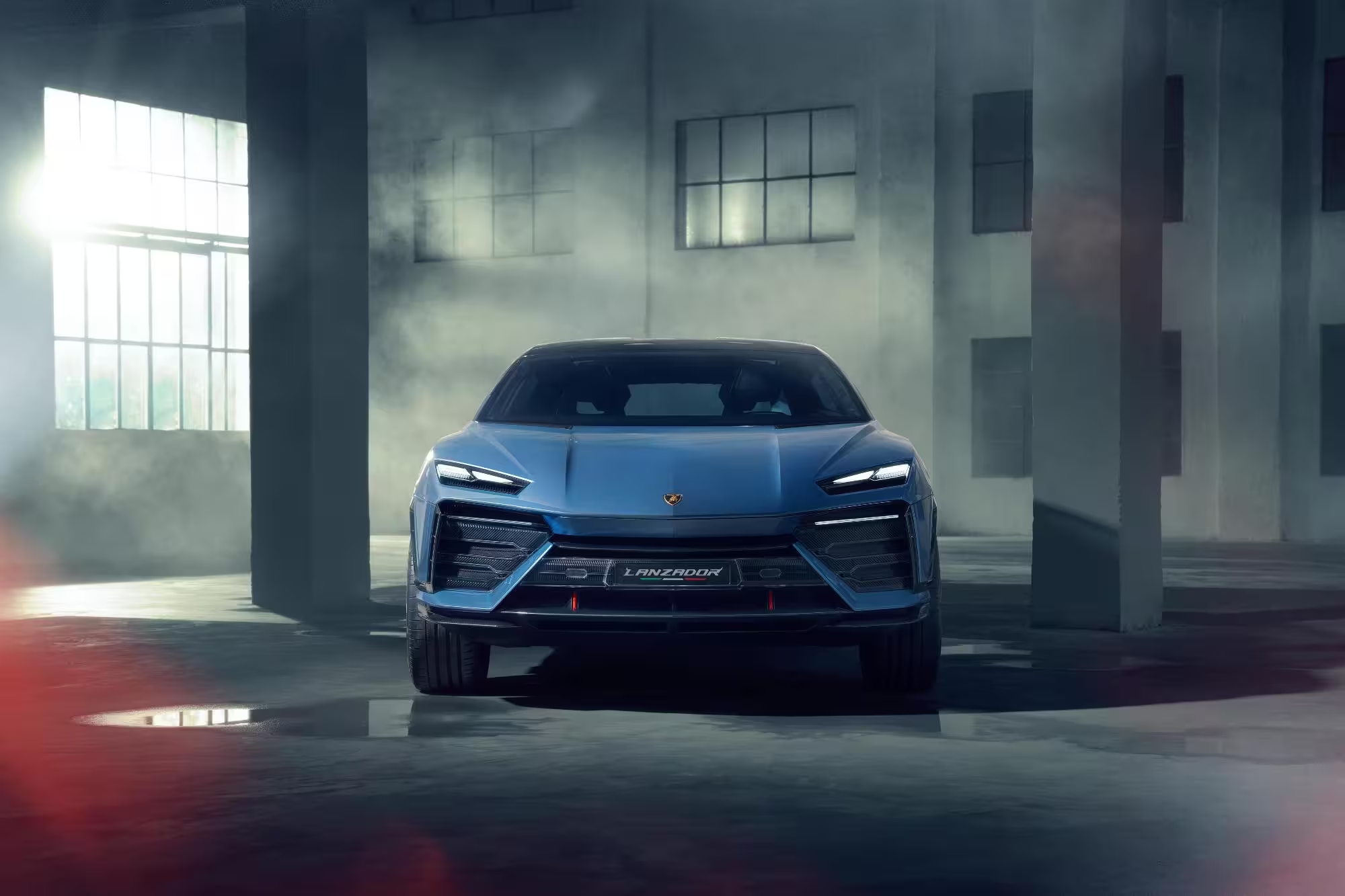
Originally conceived as a halo grand tourer, the Lanzador’s EV blueprint promised extreme power and a luxury GT layout:

- 2+2 seating configuration
- Targeted output: over 1,300 horsepower (projected for the EV concept)
- Positioning: a flagship EV to sit above the existing lineup
That ambition would have placed Lanzador in a very small, ultra-luxury electric segment — a space that, as of early 2026, remains nascent and volatile.
Ferrari’s contrasting path: Luce and the backlash
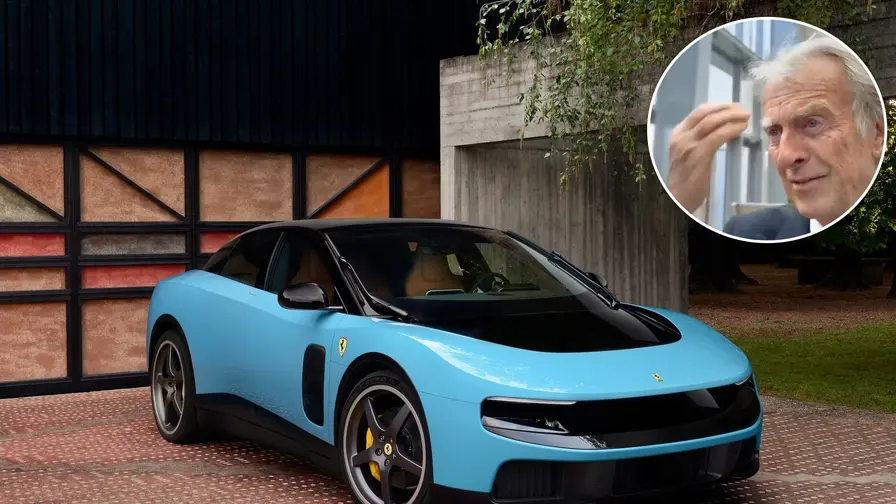
While Lamborghini stepped back, Ferrari charged ahead. The Prancing Horse launched its own high-performance EV, priced around $640,000 with about 1,035 horsepower (1,050 PS). Ferrari’s Luce drew strong reactions online — everything from admiration to ridicule — but Ferrari absorbed the controversy and moved forward with public road tests and high-profile design reveals.

Lamborghini, in contrast, chose the safer path. The brand watched Ferrari shoulder the criticism for pushing a bespoke EV design into a market that still prizes auditory drama and mechanical purity. As former executives and observers noted, some of the negative reactions Ferrari drew might have been softened if Lamborghini had released a Lanzador with its signature styling and more traditional brand cues.
Money spent, and what’s next
Lamborghini reportedly invested millions into the Lanzador project — an unprecedented development outlay for the brand at the time. Part of that investment has been redirected rather than completely wasted: engineers and design work will likely be reallocated to hybrid programs and future product development.
The most concrete outcome is that the Lanzador may still be built — but not as a battery-only EV. Instead, Lamborghini appears to be developing a Lanzador PHEV that pairs a 4.0-liter twin-turbo V8 with electric motors. Expectations are being recalibrated:
- The PHEV is unlikely to retain the EV’s 1,300+ hp projection.
- A comparable layout — seen in the Urus SE PHEV — produces 789 hp (800 PS) and 701 lb-ft (950 Nm), with a 0–60 mph time around 3.3 seconds and a top speed near 194 mph (312 kph).
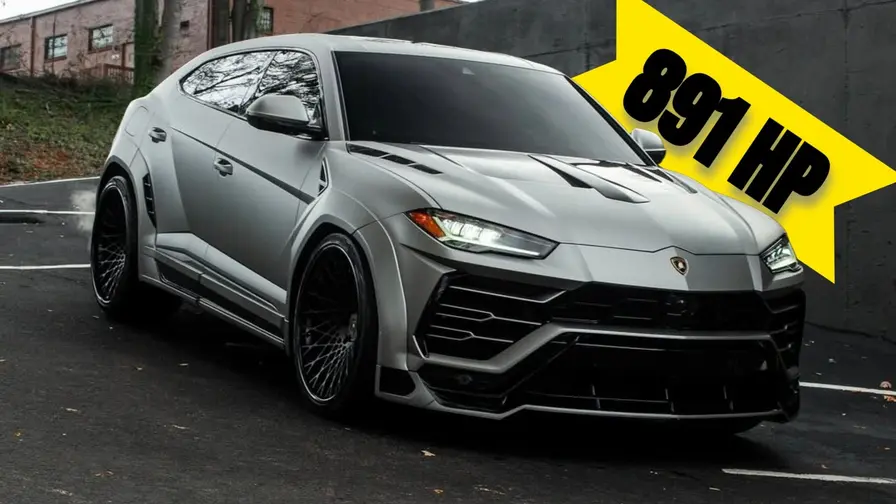
If Lamborghini follows that architecture, the Lanzador PHEV would trade full-electric novelty for a hybrid balance: dramatic performance, tangible engine sound and improved emissions compared with a pure ICE model.

Market insight: timing, taste and brand DNA
Lamborghini’s decision underlines a broader truth about electrifying luxury sports cars: technological capability does not equal instant market acceptance. For many supercar buyers, the ownership experience includes sound, shifting gears and the visceral thrill of combustion engines. That emotional currency is difficult to monetize with battery-only cars in the near term.
At the same time, regulatory and environmental pressures will keep pushing automakers toward electrification. Lamborghini’s hybrid-first approach is an attempt to thread the needle: meet emissions targets, preserve brand DNA, and avoid the commercial risk of a pure-EV halo that might not resonate with core buyers.
Bottom line
The Lanzador’s cancellation as a pure EV is less a capitulation and more a strategic retreat. Lamborghini has chosen to protect the essence of its brand — the aural and emotional appeal of performance cars — while continuing to electrify through hybrids. The result is a pragmatic roadmap: electrification, yes; full battery conversion only when customers and market economics make it compelling.
Quote to remember: “Customer interest in pure electric supercars is close to zero,” Stephan Winkelmann said — a blunt rationale that explains why the Lanzador was paused as an EV and reimagined as a performance hybrid instead.
Highlights:
- Lanzador EV cancelled in 2026; repositioned toward plug-in hybrid technology.
- Original EV concept promised 1,300+ hp and a 2+2 GT layout.
- Lamborghini shifts focus to HPEV (High Performance Electrified Vehicle) strategy after Revuelto and Urus SE PHEV experience.
- Ferrari proceeded with its EV, drawing strong reactions but pressing ahead with electrification.
For enthusiasts, collectors and industry watchers, the Lanzador saga is a reminder that electrification in the hyper-luxury segment will be evolutionary, not revolutionary. Expect Lamborghini to keep delivering performance-packed hybrids while watching rivals test the market with full-electric flagships.

Leave a Comment
Comments (2)
Is this even true? Redirecting millions to a PHEV seems safe but feels like kicking the can down the road. If buyers change their minds later, are they ready to pivot? hmm
Wow, didnt see Lamborghini folding the EV flag so fast. Sad but kinda logical, fans want the roar not silent rockets. Still curious how hybrids will feel, if they can keep the soul...