
2 Minutes
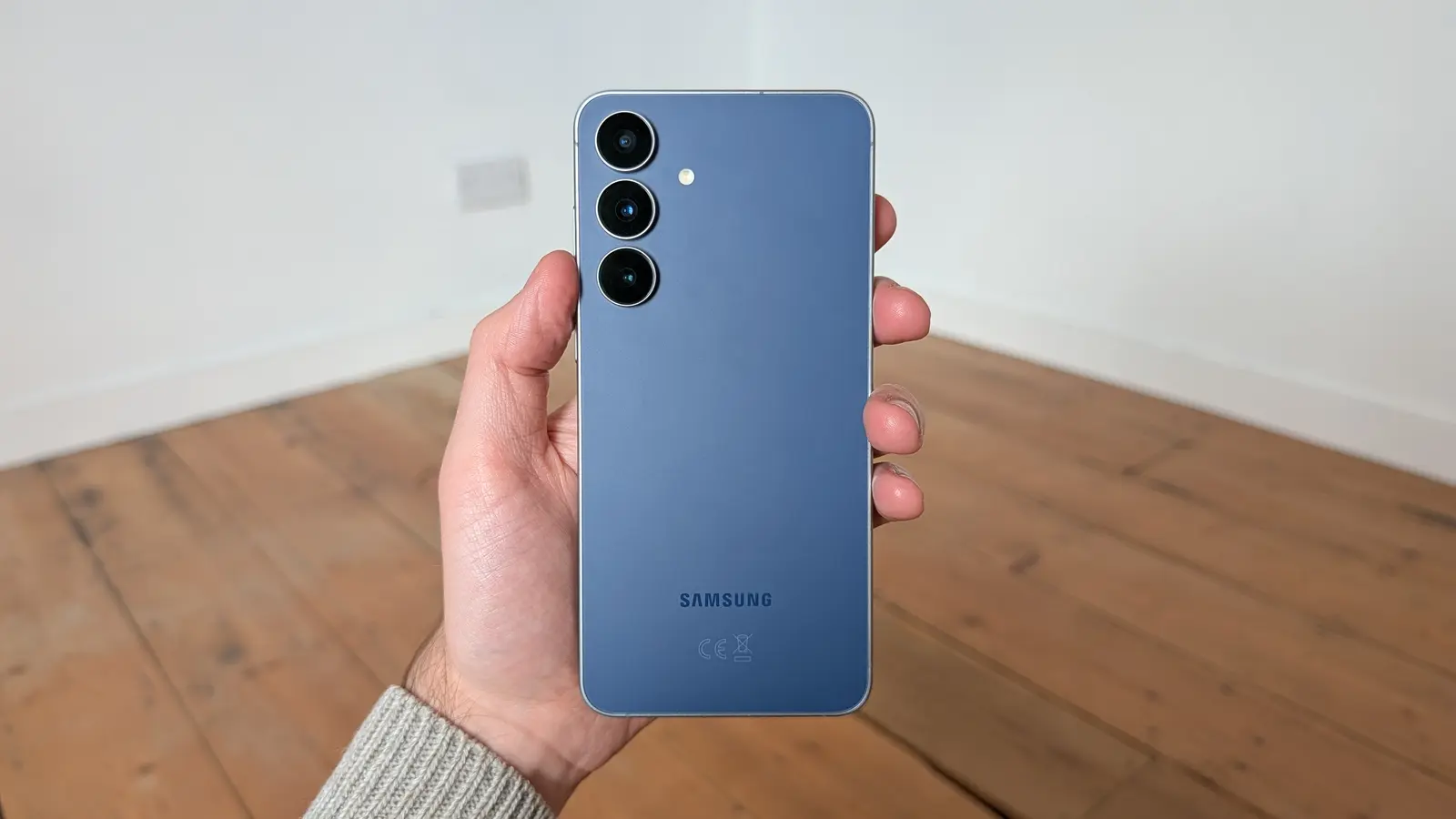
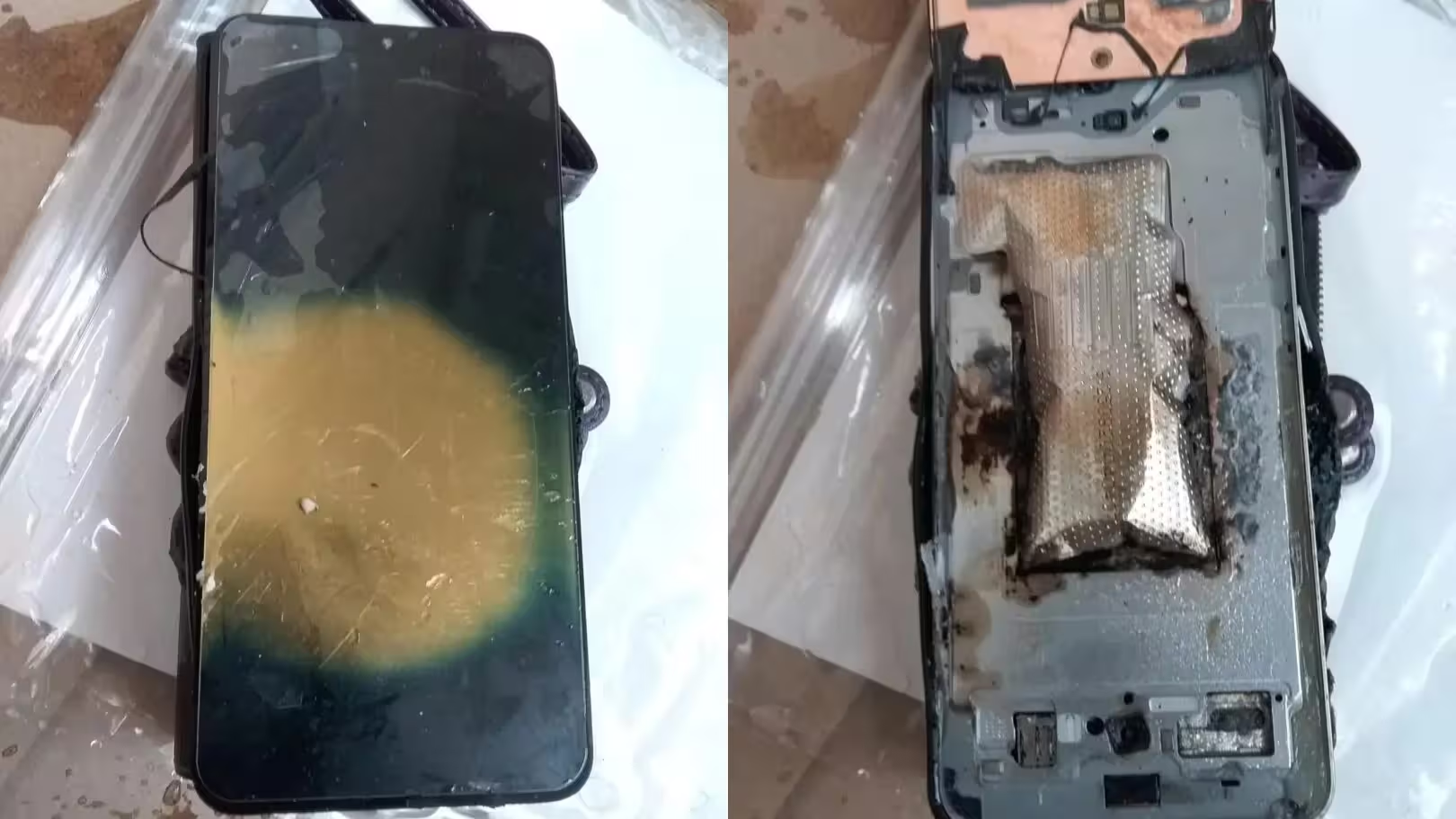
They woke to popping sounds that sounded like distant fireworks. Then smoke. Then the realization: a Galaxy S25 FE charging by the bed had gone into thermal runaway and partially exploded.
The account, posted on Reddit and accompanied by photos of a mangled handset, describes a frightening scene. The phone was plugged into a third-party 20W USB‑PD charger using Samsung's original USB‑C cable and was tucked inside a leather wallet case on the mattress. The owner and their 8‑year‑old son were sleeping nearby. The parent suffered a minor neck burn and singed hair; smoke spread through the bedroom and firefighters were called.
It sounds familiar. Alarmingly familiar. Earlier this year reports emerged about a Galaxy S25 Plus and a Galaxy S24 with alleged battery failures, and one widely shared incident involved a Galaxy Buds FE earbud that reportedly exploded while being worn. Samsung has not publicly commented on this latest claim.
Smartphones today are not simple slabs of metal and glass. They contain layered protections: thermal sensors, sophisticated charging controllers and firmware that reduce power intake or halt charging when temperatures climb. Phones commonly throttle charging long before anything looks dangerous. So when a device does fail, the question people ask first is pragmatic and pointed: what failed in the system?
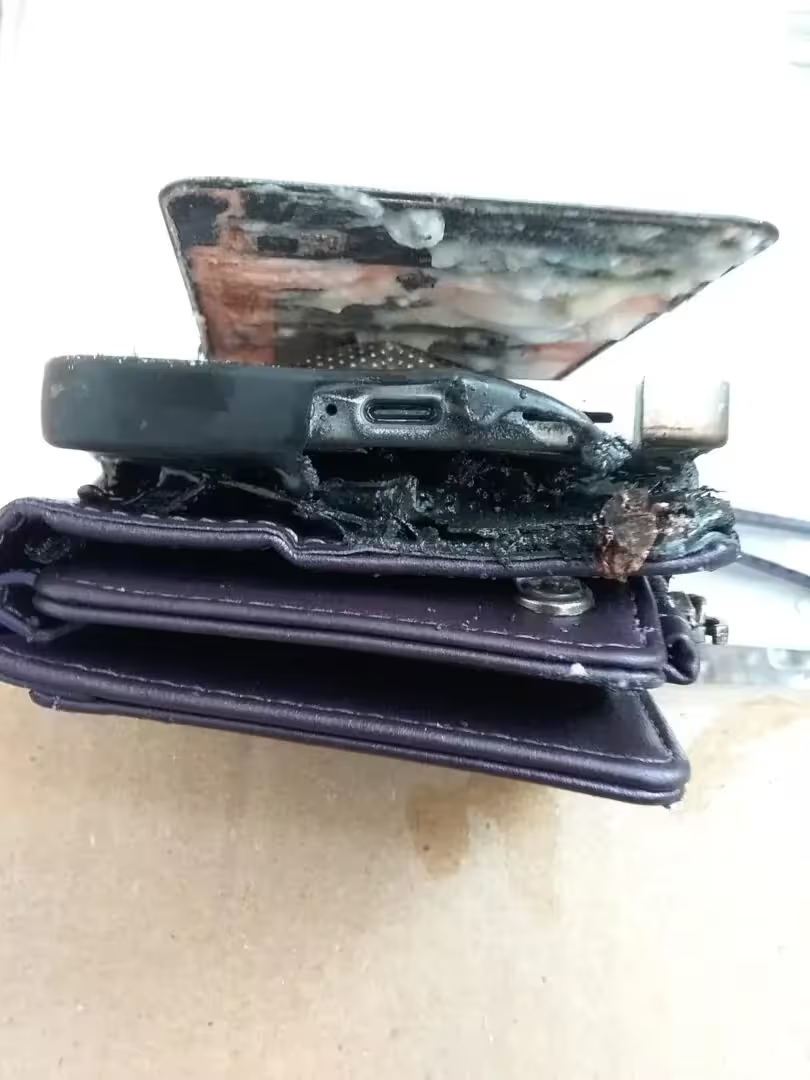
Placement matters. A mattress or a protective wallet case can trap heat and impair dissipation. Critics online quickly pointed to those factors in the Reddit post. But modern handset design anticipates such real‑world use cases and includes software and hardware safeguards for them. That makes these reports harder to dismiss as mere user error.

There is also history here. Samsung learned the hard way in 2016 and overhauled battery testing and QA processes after the Note 7 recalls. The company is acutely aware of the reputational and human costs of battery incidents. Still, multiple recent claims involving different Galaxy models raise the stakes and demand transparency.

Only a detailed forensic investigation can determine whether this was a one‑off manufacturing defect, a charger or cable anomaly, a software/firmware oversight, or an unusual confluence of factors such as placement and a compromised cell. Until then, anxious owners will keep unplugging phones before bed and checking for recalls or service advisories.
Consumers deserve clear answers — and manufacturers should provide them before anyone else wakes up to a bang in the night.

Leave a Comment
Comments
No comments yet. Be the first.