
6 Minutes
When the word hypercar didn’t exist, these concepts already acted like one
A modern hypercar is defined by extreme performance, cutting-edge technology, and price tags that can melt credit cards. The term only entered common use in the 2000s as cars like the Bugatti Veyron redefined what a production road car could do. But long before that era, a handful of concept cars blended prototype-level engineering with production-ready ambition. If manufacturers had taken the leap, these five machines might have become the world’s first production hypercars.
Below we retrace the stories of the Oldsmobile Aerotech I, Vector WX-3, Lotec C1000, Ford GT90, and TVR Cerbera Speed 12. Each was functional, terrifyingly fast, and — crucially — almost production-capable. For car enthusiasts, they remain fascinating what-ifs in the history of performance cars.
Oldsmobile Aerotech I: aerodynamic speed without compromise
The Aerotech program (1987–1992) was Oldsmobile's answer to land-speed dominance. Built as a series of record-focused prototypes, the first Aerotech was a low, sleek machine that looked as if a Group C racer had been stretched into the future. Underneath sat a modified CART racing chassis shod in advanced carbon fiber bodywork refined in the wind tunnel.

Performance and pedigree
- Powertrain: heavily modified DOHC Quad 4 engine
- Output: reports suggest roughly 900 hp for the initial configuration
- Special variant: a longer-tail aerodynamic version with twin turbos exceeded 1,000 hp
- Achievements: the aero-tuned Aerotech set multiple speed endurance records — 47 in total for the twin-turbo variant
The Aerotech's mission was records, not dealerships, but its construction and figures were production-worthy on paper. With its combination of race-derived chassis and near-1000 hp output, this Oldsmobile could easily be framed as an early hypercar if GM had opted for a limited-run production model.

Vector WX-3: America’s stealthy missile that never arrived
Vector was a tiny American carmaker with massive ambitions. After producing the W8 — itself a brutal, twin-turbo V8-powered supercar — the company moved to evolve that concept into the WX-3. Debuting in 1993, the WX-3 took the W8's backbone and wrapped it in an aircraft-inspired, aerodynamic body meant to push both speed and exotic appeal.

Two engine philosophies, one lethal chassis
- Basis: evolution of the W8 platform
- Engine: 7.0-liter DOHC twin-turbo V8
- Configurations: detuned 600 hp version for road use or a competition-spec setup reportedly capable of 1,200 hp

Vector planned the WX-3 as a halo model to finally establish a bona fide American exotic on the global stage. Corporate turmoil and financial instability intervened, so the WX-3 stayed a prototype. Had it reached customers, its aero design and possible 1,200 hp tune would have placed it squarely in hypercar territory.

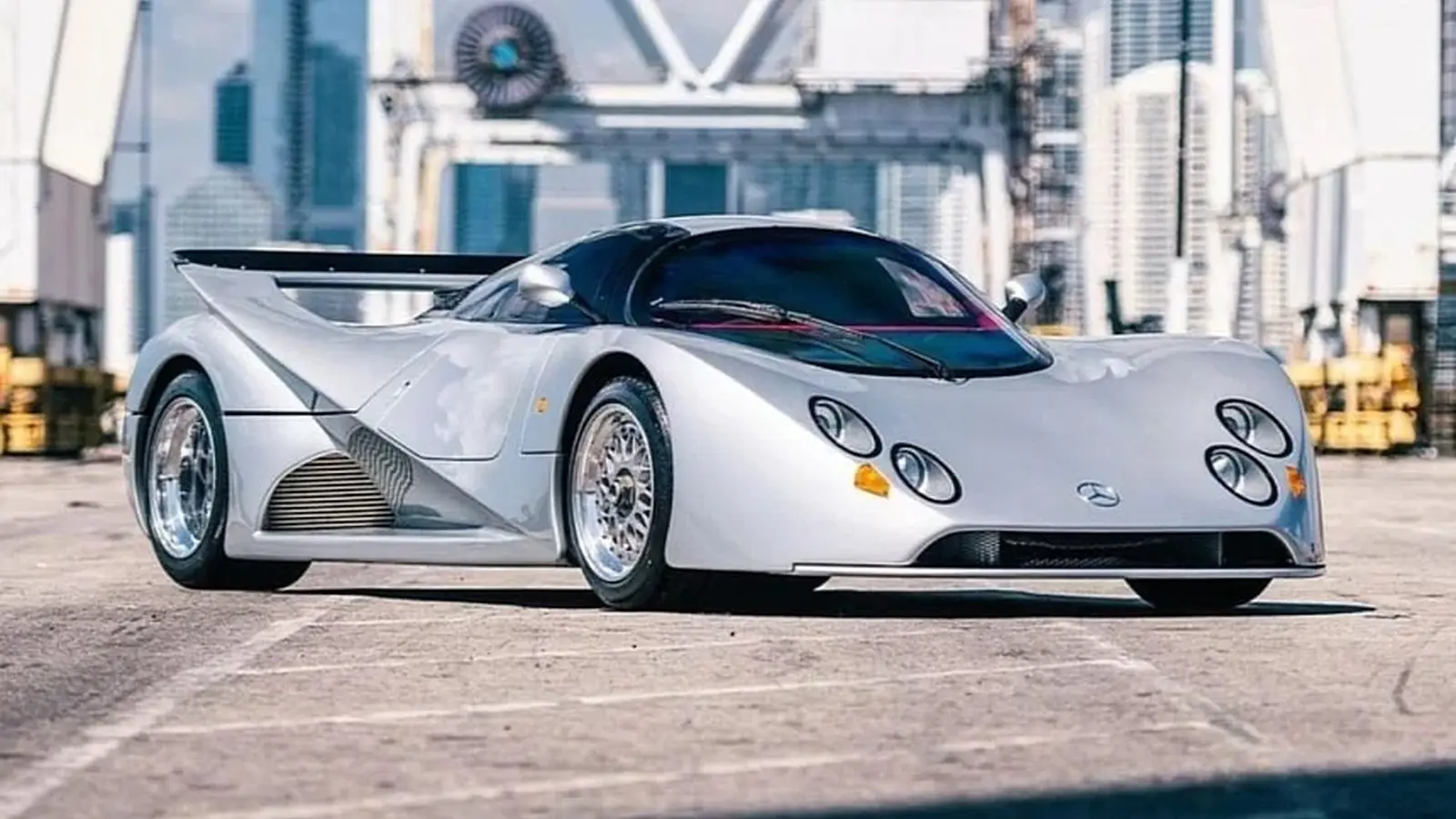
Lotec C1000: a bespoke German one-off built for speed
The C1000 story begins with a commission from a wealthy Gulf collector in the early 1990s. Mercedes-Benz declined the brief and pointed the client to specialist builder Lotec. The result, finished around 1995, was a one-off hypercar prototype that borrowed endurance racing sensibilities and turned them into a road-capable monster.

Engineering highlights
- Chassis: bespoke competition-spec frame
- Body: intricate carbon fiber styling inspired by endurance racers
- Engine: race-modified Mercedes M117 V8 with twin turbos
- Output: approximately 1,000 hp
- Performance: 0-62 mph in about 3.2 seconds, theoretical top speed near 268 mph (431 km/h)
Although Lotec built only a single C1000, the project demonstrated that small firms could assemble hypercar-level performance using existing engine architecture and bespoke aerodynamics. It stands as one of the purest expressions of 1990s hypercar thinking: extreme power, lightweight construction, and bold design.

Ford GT90: a futuristic homage that hinted at a successor
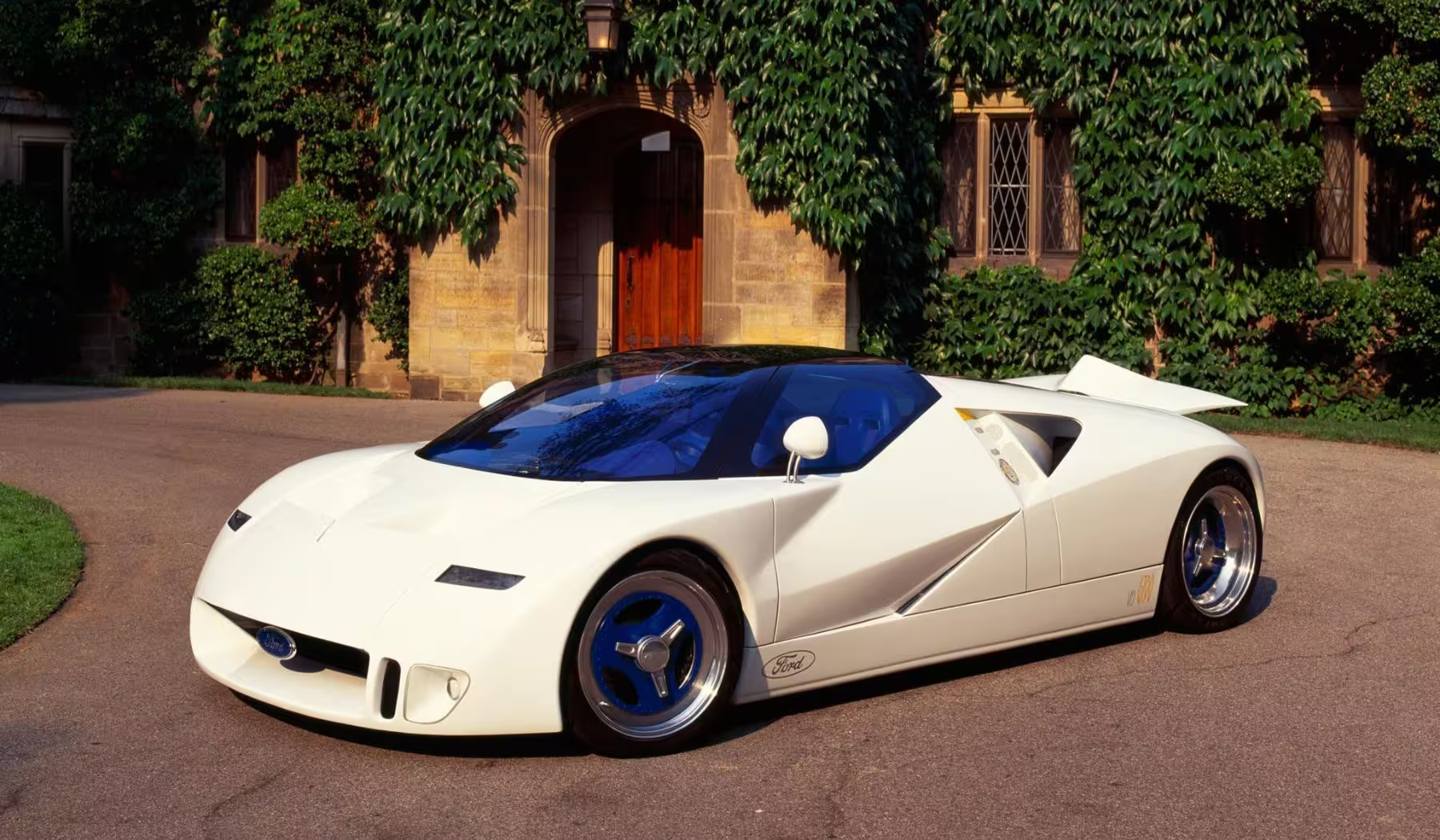
Long before Ford revived the GT name in production form, the GT90 concept appeared at the Detroit Auto Show as a futuristic reinterpretation of the legendary GT40. Built in roughly six months by a small team of engineers, the GT90 was a design and engineering statement — an exploration of what a modern American flagship supercar might look like.
Tech and performance
- Platform: modified Jaguar XJ220 chassis
- Styling: radical, futuristic bodywork crafted in-house
- Engine: experimental 5.9-liter V12 derived from Ford's Modular architecture
- Output: officially 720 hp; internal testing reportedly pushed the engine to 1,000 hp before being restricted
- Performance figures: claimed 0-60 mph in about 3.1 seconds, top speed near 253 mph (407 km/h)
Ford chose not to turn the GT90 into a limited-production halo, but its engineering — especially the large, turbocharged V12 — showed that major OEMs were already flirting with hypercar-level numbers in the 1990s.

TVR Cerbera Speed 12: a British loose cannon

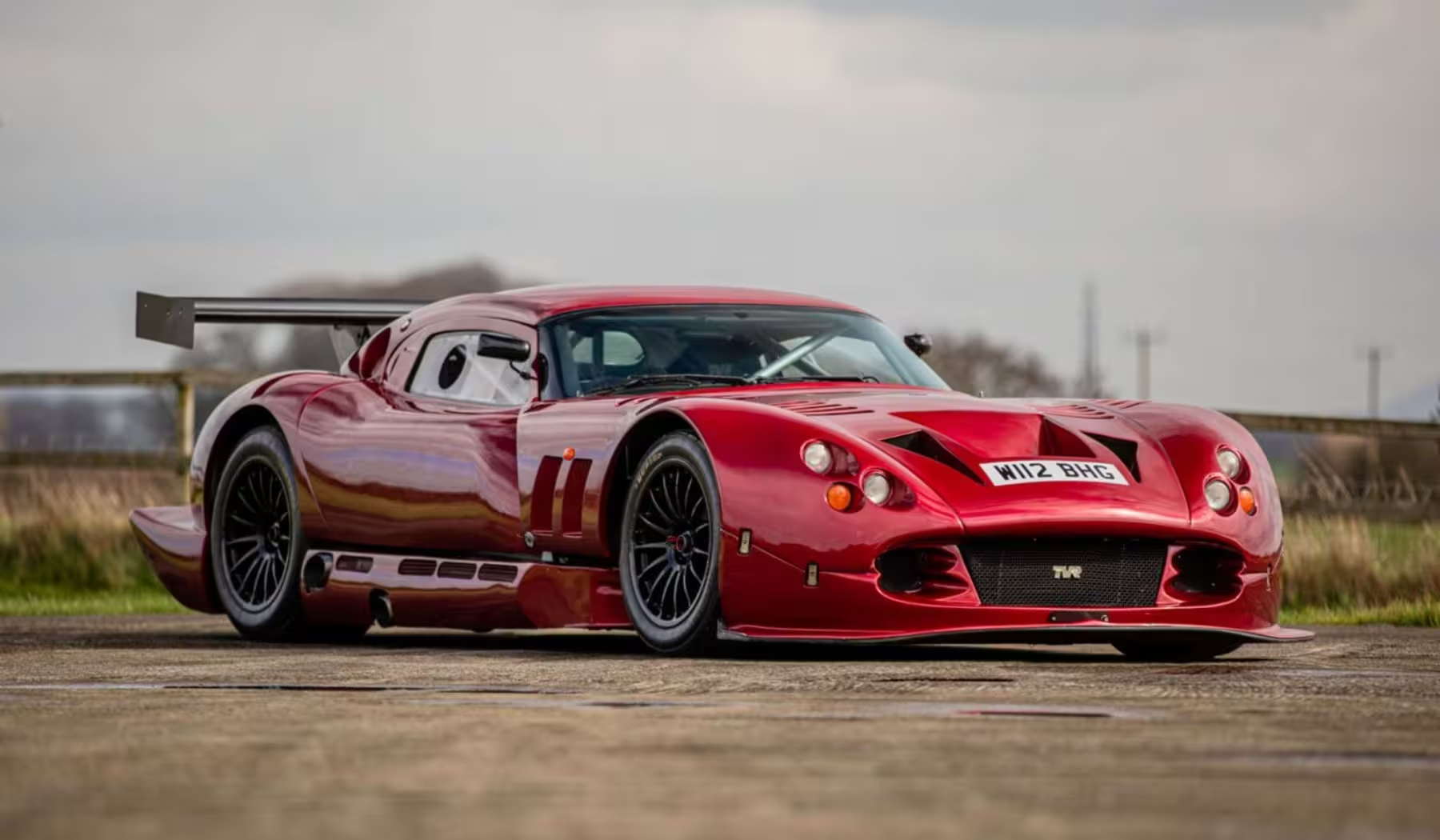
If the 1990s had an emblem of unfiltered madness, the Cerbera Speed 12 would be it. TVR started with a GT1 race project based on the Cerbera platform. When the race program stalled, the company converted the prototype into a road-legal behemoth. The result was a driver-focused, brutally powerful car that scared even seasoned pros.
Raw figures
- Engine: naturally aspirated 7.7-liter V12
- Output: around 960 hp (unrestricted)
- Performance: 0-60 mph in about 2.9 seconds, top speed circa 240 mph (386 km/h)
TVR seriously considered a small production run, but the Speed 12 was judged too dangerous for customers. The car’s raw power, minimal driver aids, and ferocious handling characteristics made private ownership a risky proposition. Still, it remains one of the most evocative 'what if' hypercar stories from the decade.

Why these concepts matter for hypercar history
Each of these cars shows that the DNA of the modern hypercar existed well before the 2000s. Factors that kept them from production include:
- Corporate risk aversion and cost concerns
- Regulatory hurdles and safety standards
- The technical challenge of making such extreme cars reliable and drivable for customers
- Financial instability at some small manufacturers
Yet these prototypes influenced thinking about aerodynamics, forced induction, chassis development, and the halo effect that super-exotic cars can provide to a brand.
Quick comparison
- Oldsmobile Aerotech I: record-focused, wind-tunnel perfected, near-1000 hp potential
- Vector WX-3: American exotic ambition, up to 1,200 hp in race spec
- Lotec C1000: bespoke one-off with genuine 1,000 hp performance numbers
- Ford GT90: OEM concept with a futuristic V12 and documented high-speed capability
- TVR Speed 12: raw, almost uncontrollable power destined for a small handful of owners
Final take
History often bends on decisions that never had to be made. These five concept cars prove that hypercar-level thinking was alive and well across the 1980s and 1990s — from Detroit to Dorset to Dubai. They could not all be turned into production models for good reasons, but their engineering bravado pushed the industry forward. Today’s hybrid hypercars lean on those lessons: extreme power married to advanced aerodynamics, chassis technology, and the brand cachet that only an ultra-exotic car can supply.
For enthusiasts, the appeal is simple: these cars represent a timeline where the hypercar era began earlier, louder, and a little bit wilder.

Quote to remember:
"Not every prototype becomes a production legend, but every one teaches the industry a lesson."

Leave a Comment
Comments (2)
Lotec C1000 sounds insane, but 1,000hp in the 90s? reliability?? feels like a one-off flex, not a real customer car
oldschool monsters... wow, Aerotech and TVR give me chills. Imagine a 900hp Olds on the street, chaos but glorious. Would I buy? maybe not lol