
3 Minutes
Imagine getting optical reach without the compromises of AI upscaling or heavy cropping. Huawei appears to be chasing that exact promise with its next flagship.
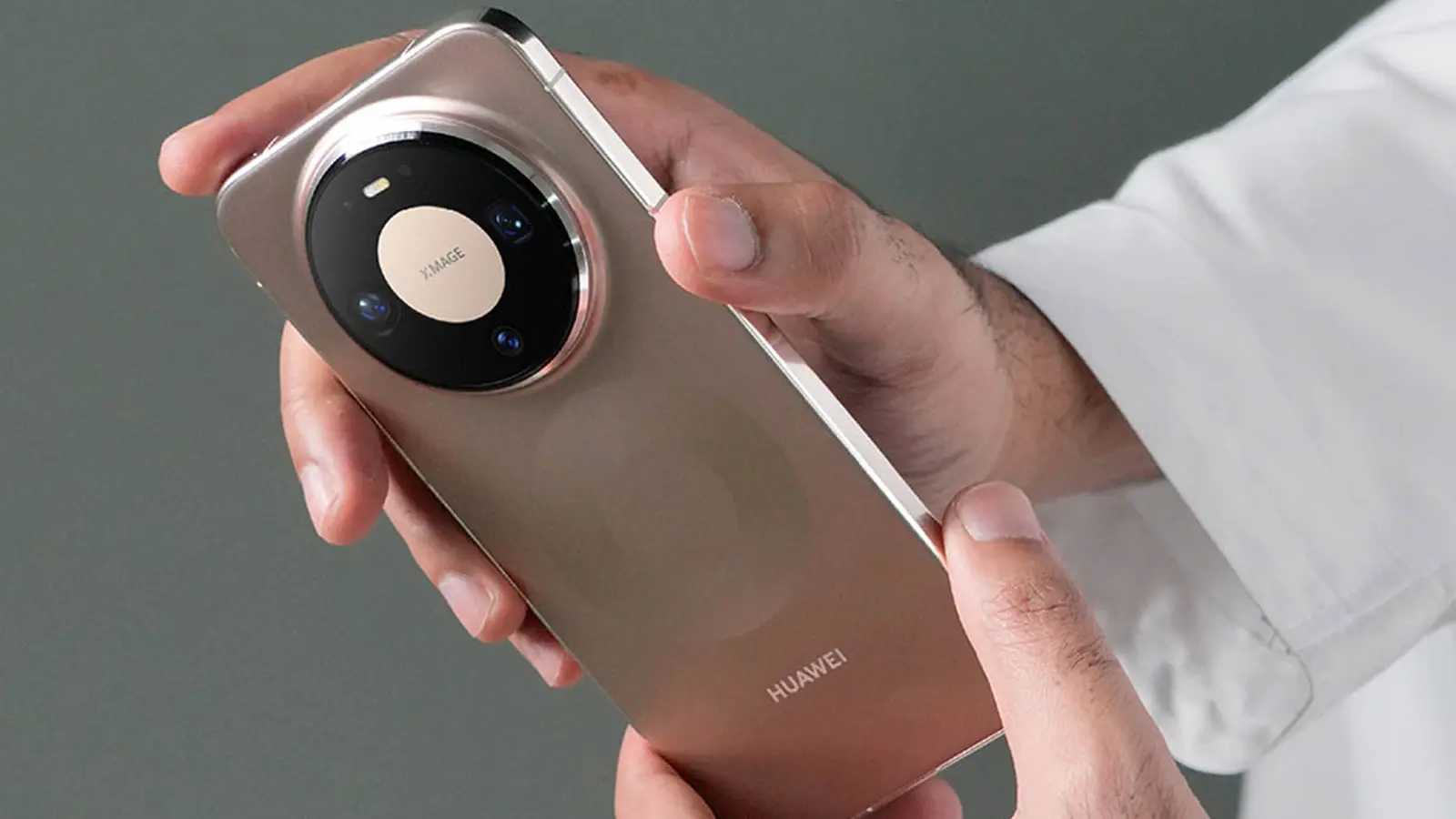
Chinese tipster Fixed Focus Digital says the Mate 90 lineup will support first-party external teleconverters — clip-on optical attachments that multiply a lens’s focal length rather than faking zoom with software. For serious photographers, that’s a different tool entirely. It’s the difference between pretending to see farther and actually changing the physics of the lens.
Details are thin but intriguing. The leaks claim Huawei changed suppliers for these accessories, which suggests the new teleconverters could look and behave unlike the ones bundled with the earlier Pura 90 family. Expect mechanical reworks and optical tweaks. A new ecosystem needs new components; sometimes that means a fresh aesthetic and a different fit-and-finish standard.
To accommodate this camera-first strategy, the Mate 90 is said to get a redesigned chassis compared with the Mate 80. In other words, Huawei isn’t just tacking on accessories — it’s reshaping the phone around them. The Pro Max and RS models are rumored to push even harder: early builds reportedly include dual periscope telephoto modules, and at least one prototype has been tested with a 10x optical lens.

Why does that matter? Because periscopes plus clip-on teleconverters expand the creative range without relying on digital tricks. Night shooting, distant details, and portraits from afar all benefit in a tangible way. Photographers care about glass. Hardware solves problems that software only masks.
Huawei is betting on an optics-first strategy paired with a radical chip design to reclaim the high-end phone narrative.
On the silicon side, the Mate 90 is expected to ship with a 2026 Kirin processor built on what Huawei calls LogicFolding architecture. Instead of only shrinking transistors, the design stacks critical logic vertically — a bit like turning a sprawling suburb of circuits into a denser cityscape. Huawei claims this method raises transistor density by roughly 53.5% and brings performance closer to Intel’s 18A node and early-generation TSMC 3nm outputs.
Leaked efficiency figures are striking: a possible 41% improvement in performance-core power efficiency and peak clock increases around 12.7%. Those percentages are the kind of marketing-sounding numbers that need real-world testing, but if even part of it is true, the Mate 90 could be a rare handset that advances both battery life and raw speed.
Timing looks familiar. Huawei has hinted at a fall 2026 unveiling, which would track the Mate family’s usual late-year cadence — the Mate 80 series arrived in November, and history often repeats in product cycles. Whether the Mate 90’s combined push on optics and silicon will be enough to turn heads is an open question. One thing is clear: Huawei is designing a camera ecosystem, not just another smartphone camera module.
Expect a lot of photos and a few surprises when the company shows its hand later this year.

Leave a Comment
Comments
No comments yet. Be the first.