
3 Minutes
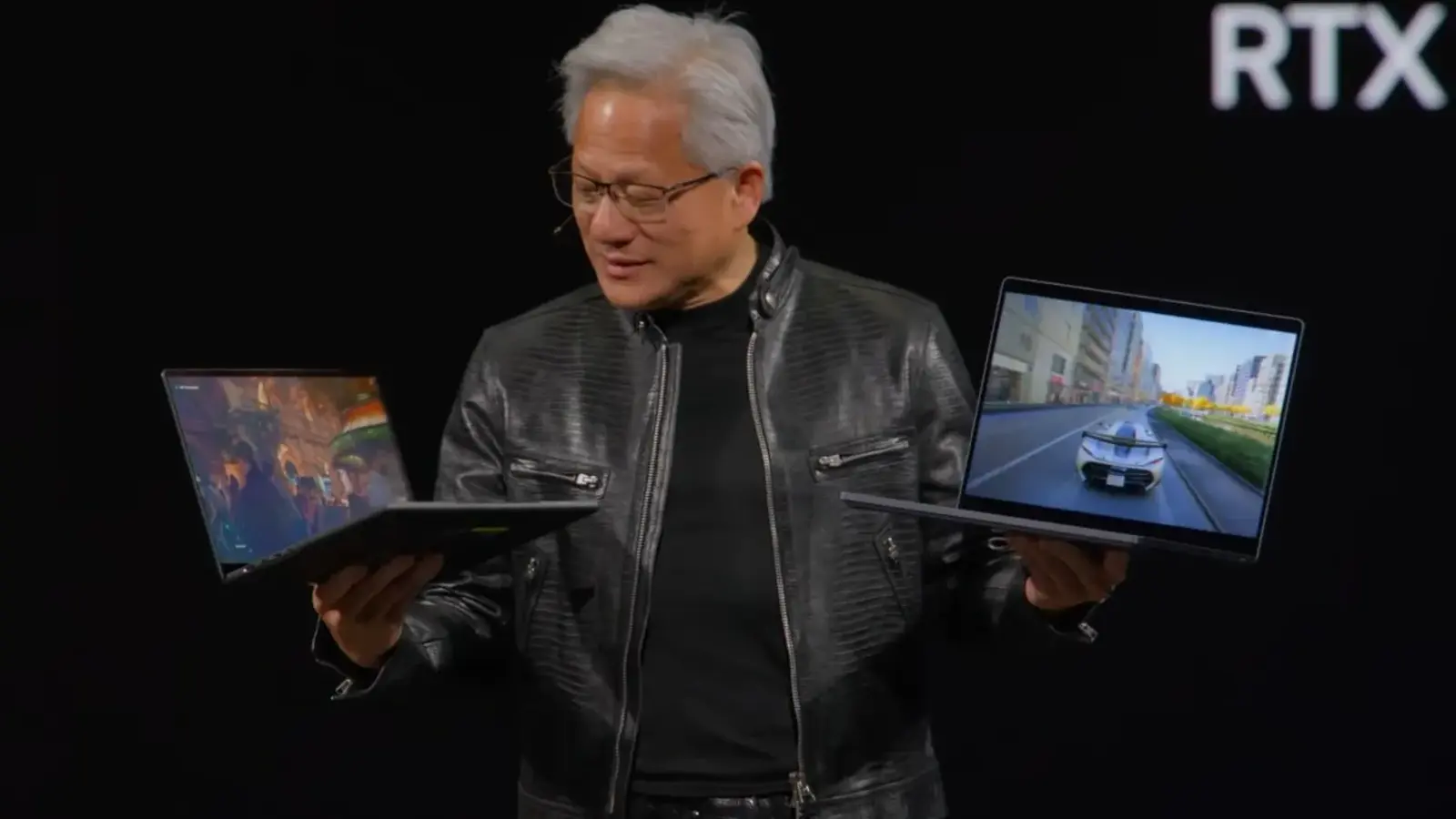
Imagine a pocket-sized workstation that can edit 12K footage, render 90GB 3D scenes and run million-token AI models without blinking. That’s the promise Nvidia is dangling in front of PC makers with its new RTX Spark silicon.
It’s not just another GPU refresh. RTX Spark is being pitched as a hybrid compute engine — a one-petaflop class chip with an integrated CUDA and RTX stack, native Windows AI agents, and up to 128GB of unified memory. In plain terms: more local horsepower for creators, developers and gamers who don’t want every complex task to live in the cloud.
Nvidia says more than 30 laptops and about 10 desktops are already in development around the chip, but only eight systems have been confirmed for this fall. The first wave of partners reads like a who’s-who of PC vendors: Asus, Dell, HP, Lenovo, MSI and Microsoft Surface. Acer and Gigabyte are reported to have models in the pipeline as well.
Why does this matter? Because the Spark architecture is designed to blur old lines. Content creators get the headroom to stitch massive 3D environments and edit ultra-high-resolution footage locally. AI engineers and data scientists can test larger models on-device. And gamers get console-class frame rates at high resolutions while juggling AI-powered overlays and background tasks.

Nvidia’s marketing is bold, but the specs back it up. Think unified memory that scales to 128GB, native Windows AI agents that can assist with everything from workflow automation to real-time content generation, and performance targets aimed at a mix of creative workloads and high-refresh gaming.
- Up to 128GB unified memory
- Local execution for models up to ~1,000,000 tokens
- Capable of rendering 3D scenes of 90GB or larger
- 12K video editing and 4K AI video generation
- Gaming targets: 1440p at 100+ FPS on demanding titles
That list reads like a checklist for anyone who’s long wished their laptop could replace a small studio. But there are trade-offs to watch: thermals, real-world battery life once those petaflop bursts kick in, and the practical availability of software that truly leverages the new silicon. Nvidia claims some of the upcoming thin Windows laptops will hit 24-hour battery figures, paired with high-end displays — an enticing headline, but one that will need third-party validation once devices land.
For developers, the unified CUDA/RTX ecosystem should simplify porting and optimizing workloads. For artists, the ability to keep massive datasets and models local reduces latency and privacy concerns that come with cloud-dependent pipelines. And for gamers, RTX Spark could mean PC-portable systems that finally close the gap between desktop GPUs and mobile convenience.
What’s missing right now are the fine details: confirmed thermal designs, precise model lineups, pricing and regional availability. Nvidia and its partners have set expectations; now the real test will be how those promises translate into shipping machines and everyday performance.
If you’re shopping for a creative laptop this year, or you’re tracking where on-device AI is headed, RTX Spark is worth a close look. Watch for hands-on reviews this fall — they’ll tell us whether this is a true platform shift, or another impressive chip that needs the right software to shine.


Leave a Comment
Comments
No comments yet. Be the first.