
4 Minutes
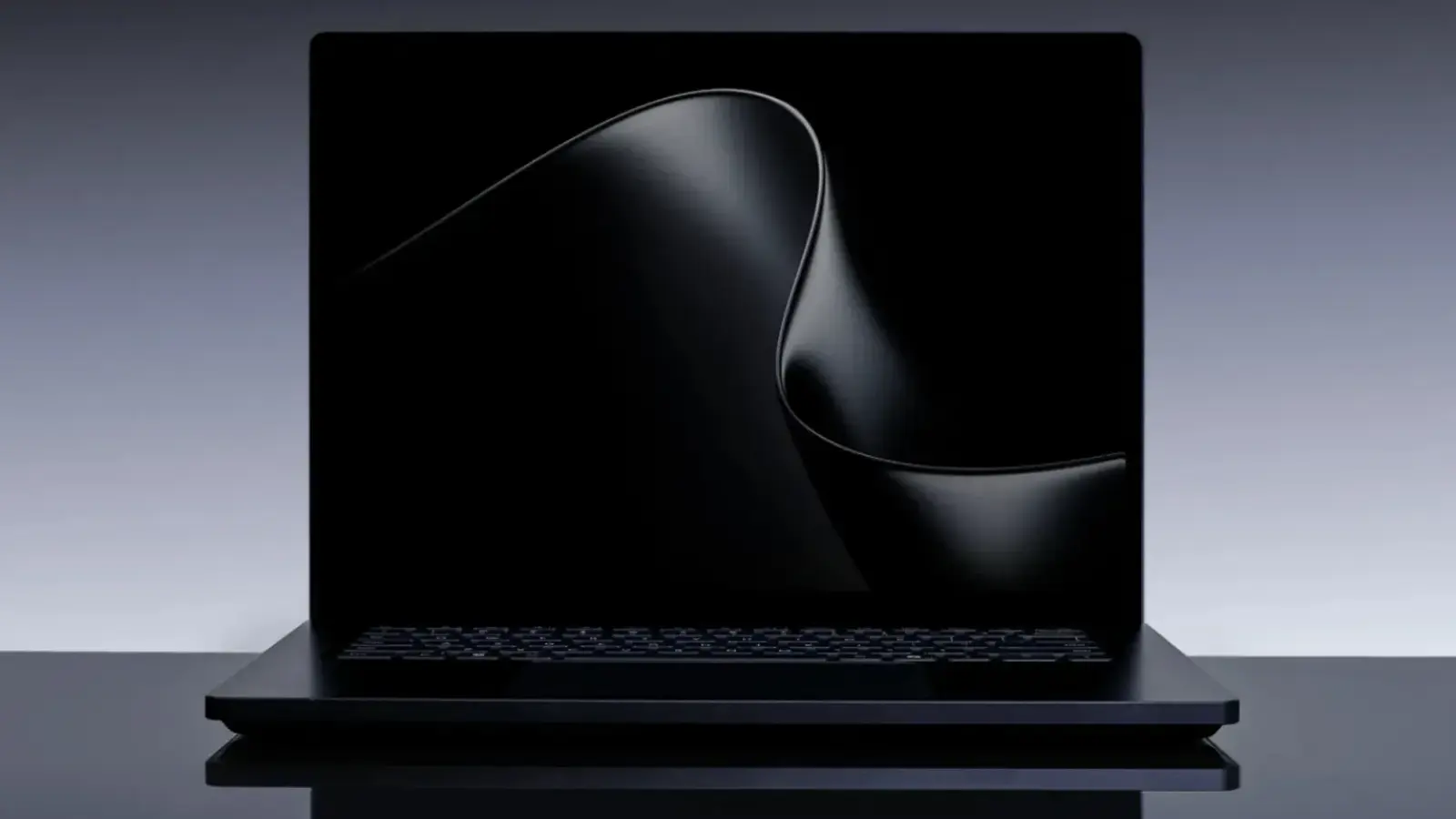
Microsoft just dropped a bombshell: the new Surface Laptop Ultra packs an Nvidia RTX Spark "superchip" and aims to rewrite what a Windows laptop can do. Short version: it's the strongest Surface they've ever made, according to the company itself. Long version: this is a calculated second act after an earlier bet on ARM silicon that left scars and a $900 million hit on the books.
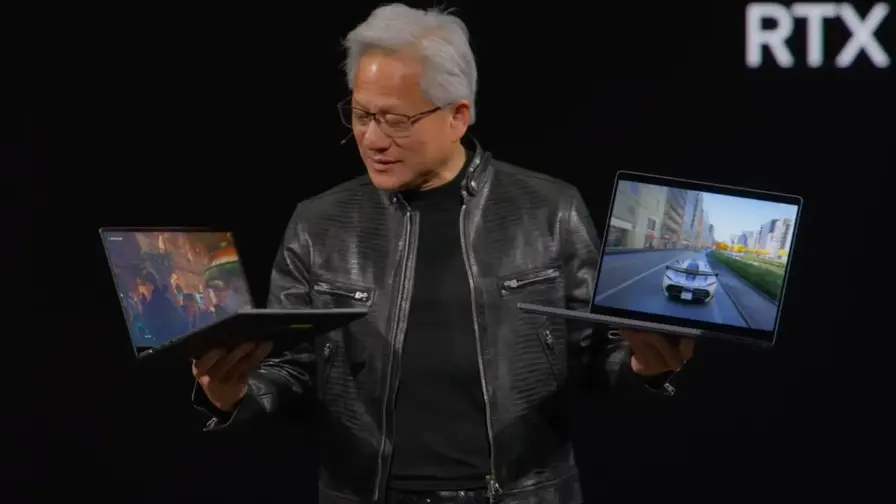
There’s a little drama behind the scenes. Years ago, Microsoft tried an ARM-based flagship with Nvidia tech and it didn’t land. They learned, regrouped and now they’re trying again — but with a very different playbook. The heart of the Ultra is RTX Spark, a chip adapted from the DGX Spark mini‑PC lineage and optimized specifically for Windows 11. Think of it as a server-grade idea shoehorned into a thin-and-light laptop, tuned for real-world apps rather than lab benchmarks.
.avif)
Specs announced so far suggest RTX Spark scales: up to 20 CPU cores, 6,144 CUDA cores and as much as 128GB of unified memory in the top trim. There will also be more wallet-friendly SKUs with 16GB. Nvidia says the Spark family will expand across price points, which hints at a broader ecosystem of ARM-based Windows machines in the months ahead.
Microsoft’s pitch mixes raw numbers with user-facing promises. They’re talking about battery life that lasts the day, GPU performance in the neighborhood of laptop-class RTX 5070 chips, and roughly a petaflop of AI throughput for on-device models. Those are headline figures, not bench-verified realities yet. But if they hold up, the Surface Laptop Ultra would make creative work, AI experimentation and graphics-heavy workflows feel markedly less tethered to power bricks and dongles.

The display is loud in the best possible way: a 15-inch Mini-LED touchscreen at roughly 262 pixels per inch and peak HDR brightness Microsoft says can hit 2,000 nits. That’s a lot of nit. The idea is obvious — create a visual canvas bright and dense enough for HDR grading, photo editing and content review without squinting. Complementing the screen is what Microsoft calls its largest haptic trackpad yet, intended to match the tactile expectations of professionals who depend on precise gestures and subtle feedback.
Form factor and I/O look deliberately pragmatic. The Ultra tips the scales under two kilograms and will ship in two finishes: dark grey and silver. Ports include USB-C, USB-A, HDMI, an SD card slot and a headphone jack. Microsoft hasn’t spelled out exact port standards or transfer speeds, and the grainy renders circulating online show multiple USB-C ports, but final details remain scarce.
Language from Microsoft’s announcement leaned more toward manifesto than spec sheet: choices made with "micron-level" care, zero compromises, and a device meant to be pushed to the edge. Marketing aside, the deeper story is the partnership between Microsoft and Nvidia. Both companies say they’ve spent years preparing Windows for ARM and optimizing it specifically for the Spark architecture, and they’ve been coaxing developers to support the platform — a practical necessity if this hardware is to reach its potential.

Why should anyone care? Because this isn’t just another Surface refresh. It’s a test of whether ARM-based, high-performance Windows laptops can finally deliver the blend of battery life, AI capability and native app support that creatives and power users demand. If Microsoft and Nvidia pull it off, the PC map could shift in meaningful ways.
There are unanswered questions. Final prices, precise thermal behavior, real-world software compatibility and, of course, the battery claims require hands-on testing. Microsoft says more images and details are coming; journalists and early reviewers will be watching closely.

For now the Surface Laptop Ultra stands as an audacious statement: a company revisiting a risky idea with heavier tooling, deeper collaboration and an eye on the future of AI-first computing. Will it change the game or simply raise the stakes for the next round? We’ll find out when reviewers get units into their labs and creators into their workflows.

Leave a Comment
Comments (2)
Is this even true? A petaflop on-device is insane, but will indie apps and plugins run native on ARM Windows? Also price, thermals and real battery life, show us tests.
Whoa, RTX Spark in a thin laptop? If battery and thermals actually behave, creatives get a huge win. Skeptical tho, curious!