
2 Minutes
Sam Altman flew to Seoul. He shook hands with executives. Promises followed. But the ambitious plan for Samsung to build custom AI inference chips for OpenAI now looks less certain than it did a year ago.
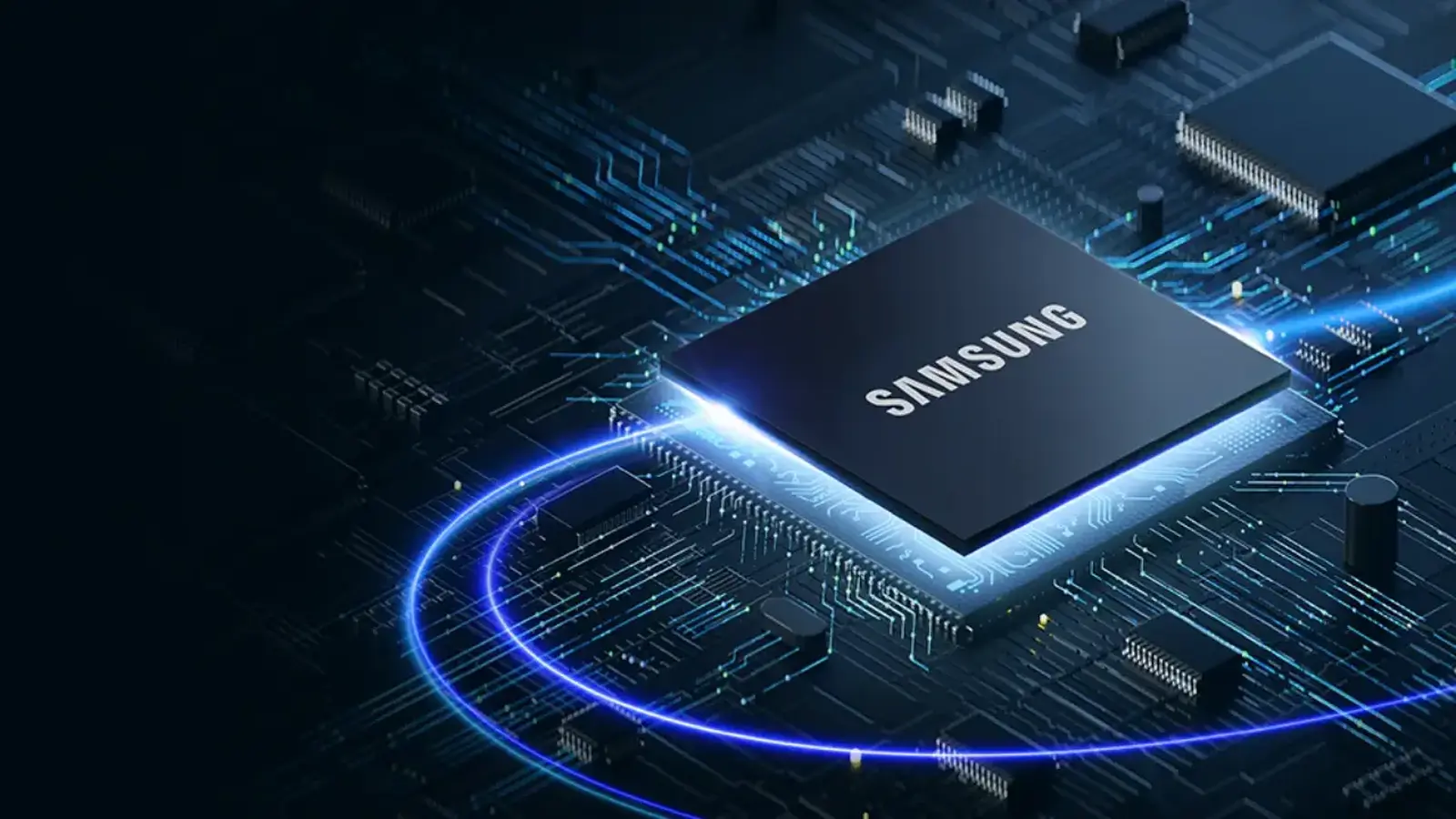
Samsung engineers reportedly started work on an inference-focused neural processing unit built on ARM technology — the kind of silicon optimized for fast model inference rather than brute-force training. Progress, according to local reports, moved past the concept stage. Then, negotiations cooled. Not because of technical hurdles alone. Strategic differences crept in: priorities, timelines and business models didn’t line up the way both sides had hoped.
Does that mean the partnership is dead? Not necessarily. There’s no public, definitive statement saying the chip program has been canceled. What we’re seeing is a shift in emphasis. Samsung has quietly broadened its AI bets, including a reported investment in Anthropic, the startup behind Claude. Industry chatter now suggests Samsung could pivot to producing AI accelerators for other companies if OpenAI and Samsung can’t reconcile their approaches.

Even with a potential chip snag, the two giants remain entangled in other ways. Samsung’s ecosystem companies are still signing deals with OpenAI — Samsung SDS is teaming up on AI data center projects, and memory chips from Samsung look set to supply the hardware backbone for large models. In short: silicon collaboration may be in flux, but systems-level cooperation continues.
Why this matters beyond boardroom maneuvers is simple. Custom inference silicon can change the economics and latency of deploying large language models at scale. When a consumer-electronics heavyweight like Samsung enters that market, it raises the stakes for cloud providers and chipmakers alike. The question now is who will get first dibs on bespoke hardware: the incumbents, a new coalition, or rival startups like Anthropic.
The episode also underscores a broader trend: AI deals are rarely just about technology. They’re negotiations over strategy, supply chains, and the right to define future platforms. Expect more twists as companies test different alliances to secure compute, memory, and data-center expertise. Keep watching Seoul — and Silicon Valley. The next handshake might decide which chips power the next wave of generative AI.


Leave a Comment
Comments
No comments yet. Be the first.