

3 Minutes
Samsung is about to change the grammar of its foldable lineup. Simple move? Not really. Bold, yes. Confusing for everyday buyers? Very likely.
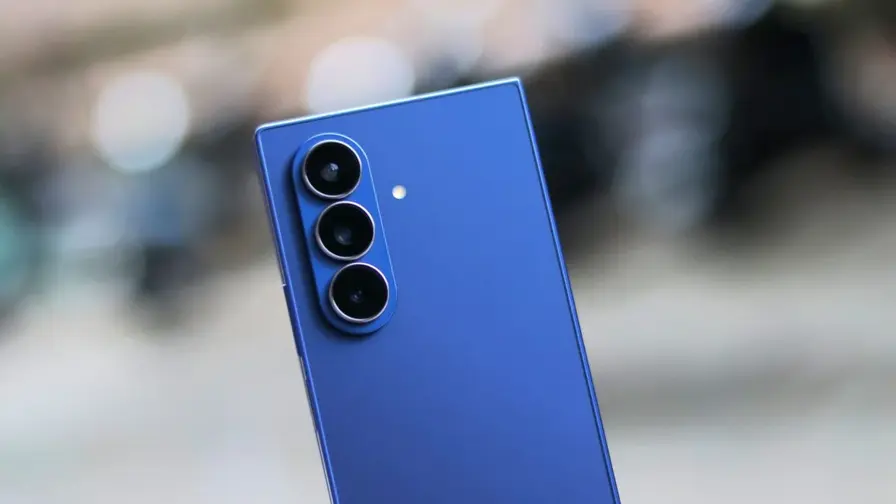
Rumors point to two distinct Galaxy Z Fold releases this year: a wider, tablet-style model rumored to target Apple’s first foldable iPhone, and a more traditional tall book-style successor to the current Z Fold. The twist is in the names. The wider device may arrive as the Galaxy Z Fold 8, while the update that feels most like the Fold 7 would be christened Galaxy Z Fold 8 Ultra. That sounds neat on a marketing deck. In the real world, it reads like a puzzle.
At first glance the rename follows a pattern Samsung has already applied elsewhere. 'Ultra' is the badge for the flagship within the Galaxy S and Tab families. Apply Ultra to the top-tier foldable, and you get consistency across product lines. But products don’t live in slide decks. They compete in stores, online chats, and on social feeds where clarity matters.
Here’s the practical snag: these two foldables are not minor variants of the same idea. One is effectively a tall phone that opens like a book; the other expands into a wider, more tablet-like canvas. Different physical experiences. Different use cases. Different buyers. Labeling one Ultra introduces a prestige hierarchy that doesn't line up cleanly with function. Which one is the true rival to Apple’s single, premium foldable? The name alone won’t answer that question.

Apple tends to launch with one model and one story—tight messaging, premium price, and a focus on ecosystem benefits. Expect the company to position its foldable as a marquee device with a corresponding price. If Apple ships a unit north of two grand, marketed as the definitive first foldable iPhone, Samsung’s naming shuffle could make comparisons messier than they need to be. Consumers will ask: which Galaxy Z Fold is the Apple killer? The one called Ultra? The one shaped the same?
Calling one model Ultra risks making Ultra mean little more than a tag to justify higher prices.
There’s a cynical interpretation as well. Introducing an Ultra tier creates cover for a price bump that may have been inevitable. Ultra equals premium. Premium equals higher margins. It’s an old trick in consumer tech: relabel to elevate expectations and the price tag slides up with less pushback than a blunt increase announced out of nowhere.
Samsung has experimented with naming before. The brief, oddball life of the Galaxy Z TriFold showed the company will try new labels when it wants to. But there’s a difference between creative product names and a scheme that makes the product map harder to read. Customers who don’t follow leaks and rumor threads shop with product names alone. Confusion at that level can dent sales momentum before reviews even land.
At stake is more than semantics. It’s about how people perceive value and choice. A wider aspect ratio might be a decisive advantage for multitaskers and content consumers. A taller fold fits better into pockets and phone-first workflows. Conflating those differences with an Ultra tag risks turning a useful distinction into a muddled prestige contest—where the sticker shock and the label do the talking, rather than the hardware itself.
Samsung’s gamble is simple: align foldable naming with the rest of the ecosystem and claim clarity through uniformity. The risk is it creates the opposite. Which will matter more—clean branding or the devices themselves? The launch cycle will tell, but the first impression is already being shaped by a name.

Leave a Comment
Comments
No comments yet. Be the first.