
3 Minutes
Imagine your phone giving you a heads-up before you realize something’s off. Short, precise, and actionable. That’s the tone Samsung is aiming for with a sweeping update to its Health app — a redesign built around clearer metrics and a new layer of AI-derived insight.
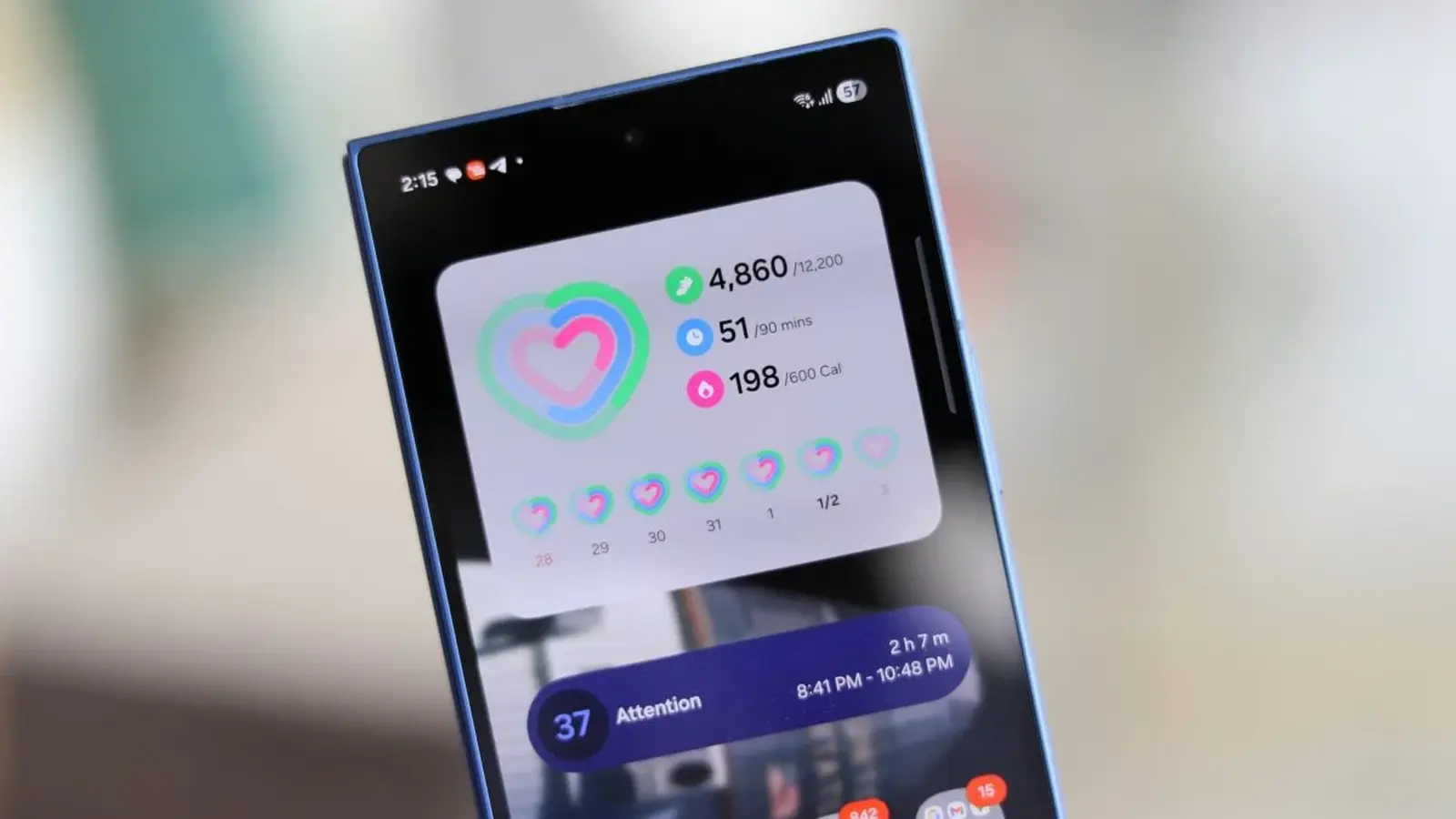
The rollout begins June 8, 2026, and the app arrives with a cleaner layout that centers five familiar but reframed areas: Activity, Mindfulness, Nutrition, Sleep and Vitals. The interface itself is quieter, designed to surface what matters most without asking you to dig. Daily wellness tips appear alongside an AI-driven Energy Score, a simple index meant to reflect how ready your body feels for the day ahead.

Vitals gets the kind of attention most users want but rarely see. Overnight baselines are now the reference point: blood oxygen, heart rate, heart rate variability, respiratory rate and skin temperature are compared against your resting normals. The app won’t ping you for every blip — it alerts only when the data departs meaningfully from your baseline, a nudge to rest or check in with a doctor when something looks sustained.

Last year’s Vascular Load has evolved into a Heart Health Score. It’s less about a single measurement and more about habit patterns: activity levels, body composition, sleep quality and stress feed into a composite number that aims to show whether your daily choices are nudging your cardiovascular system up or down over time. Think of it as long-term weather for your heart.

If you train, Daily Cardio Load will feel familiar but smarter. The feature gauges how much strain today’s workout places on your system and estimates your max training capacity. The result: tailored workout targets and rest recommendations so you can push toward goals without tipping into overtraining or injury.


Fitness Index is the app’s answer to measuring progress. It correlates steps, heart rate trends and VO2 max against peer benchmarks, then highlights strengths and weaknesses and suggests personalized goals. It’s less bragging rights and more targeted guidance — what to tweak in your routine to actually get fitter.
Nutrition tracking also gets a clearer voice. The Antioxidant Index now visualizes daily intake and trends, making it easier to connect what you eat with how your body responds. The AGEs (advanced glycation end products) Index has been refined, capturing overnight readings automatically to build a long-term picture of how lifestyle choices are aging tissues.

Samsung is finally putting hearing health on the map too. The new Hearing Health feature aggregates audio exposure across devices — including Galaxy Watches — and warns you when noise levels approach thresholds that could harm hearing. It’s a small change with practical consequences for commuters, concertgoers and anyone who listens to music on repeat.
Underpinning many of these features is a clearer intent to make wearable and phone data talk to each other in human terms. Expect more proactive cues from the next generation of Galaxy Watches — rumors point to three models: Galaxy Watch 9, Watch 9 Classic and Watch Ultra 2 — each likely to feed richer sensor data back into the Health app for deeper insight.
What matters here isn’t a single shiny metric. It’s the shift toward context-aware alerts, longer-term scoring and recommendations that feel personal rather than prescriptive. Samsung is betting that people will respond better to a health app that explains the why, not just the what.
If you want a health app that nudges you toward smarter habits — quietly, with a few meaningful numbers — this update is worth watching when it lands next month.


Leave a Comment
Comments
No comments yet. Be the first.