
3 Minutes
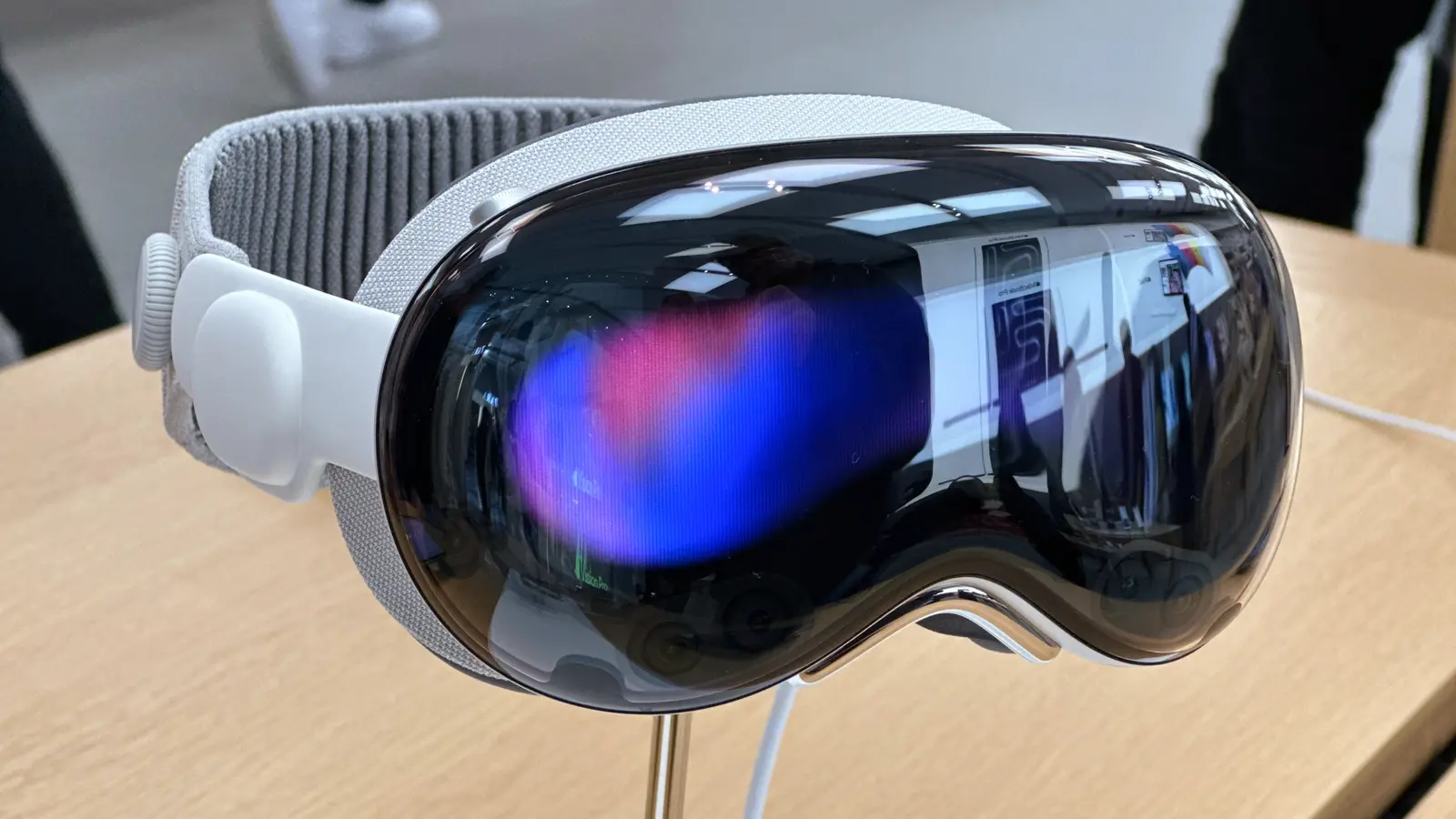
Apple appears to be changing course. The hulking Vision Pro headset that once symbolized the company’s bet on immersive computing is no longer the centerpiece it seemed to be.
Analyst Ming-Chi Kuo says incoming CEO John Ternus has greenlit a major redraw of Apple’s wearables roadmap. Plans for a second-generation Vision Pro and a lighter Vision Air have reportedly been shelved. Instead, engineers are said to be focusing on two distinct smart-glasses projects that aim to make augmented and AI-powered experiences lighter, cheaper, and—critically—easier to wear all day.
One of those projects is allegedly a display-free, AI-centric pair of glasses designed to compete with the likes of Meta’s Ray-Ban collaboration. Think of it as a heads-up assistant without bulky optics: voice, sensors, and on-device intelligence delivering context-aware help without heavy headgear. Kuo pegs that product for a possible 2027 debut.

The other is more ambitious and farther out: true AR glasses that use optical waveguides to layer digital content over the real world with proper spatial alignment. That’s the kind of tech people imagine when they talk about seamless mixed reality—but it’s also extremely hard to nail. Commercial timelines for that device, according to reports, stretch to 2029 or beyond.
Not everyone sees the situation identically. Bloomberg’s Mark Gurman concedes Apple has killed several headset projects, but he also says a Vision Pro 2 prototype is still being tested internally. Even so, he agrees the broader Vision headset family is effectively on pause and that any direct successor may be years away.
Why the pivot? Because the market is changing. High-end mixed reality headsets are impressive, but most people won’t wear them between meetings or on a commute. Smart glasses, by contrast, promise more everyday value: lighter frames, longer battery life, and price tags that could reach a much larger audience. It’s a bet on ubiquity rather than spectacle.
What looks certain is this: Apple is prioritizing wearable designs that people can actually live with. Whether that strategy yields a breakout product or just a series of incremental devices remains to be seen.
If the timelines hold, we could see Apple’s first AI-focused smart glasses within a couple of years, with more sophisticated AR experiences arriving later. The company’s silence and secrecy make every rumor a small thrill—because when Apple finally shows its hand, it often rewrites expectations.
Would smart glasses be the breakthrough Apple needs, or is the Vision Pro’s dream of full mixed reality worth waiting for?


Leave a Comment
Comments
No comments yet. Be the first.