
4 Minutes
Edmunds extracts far more range from the new Mercedes CLA EV
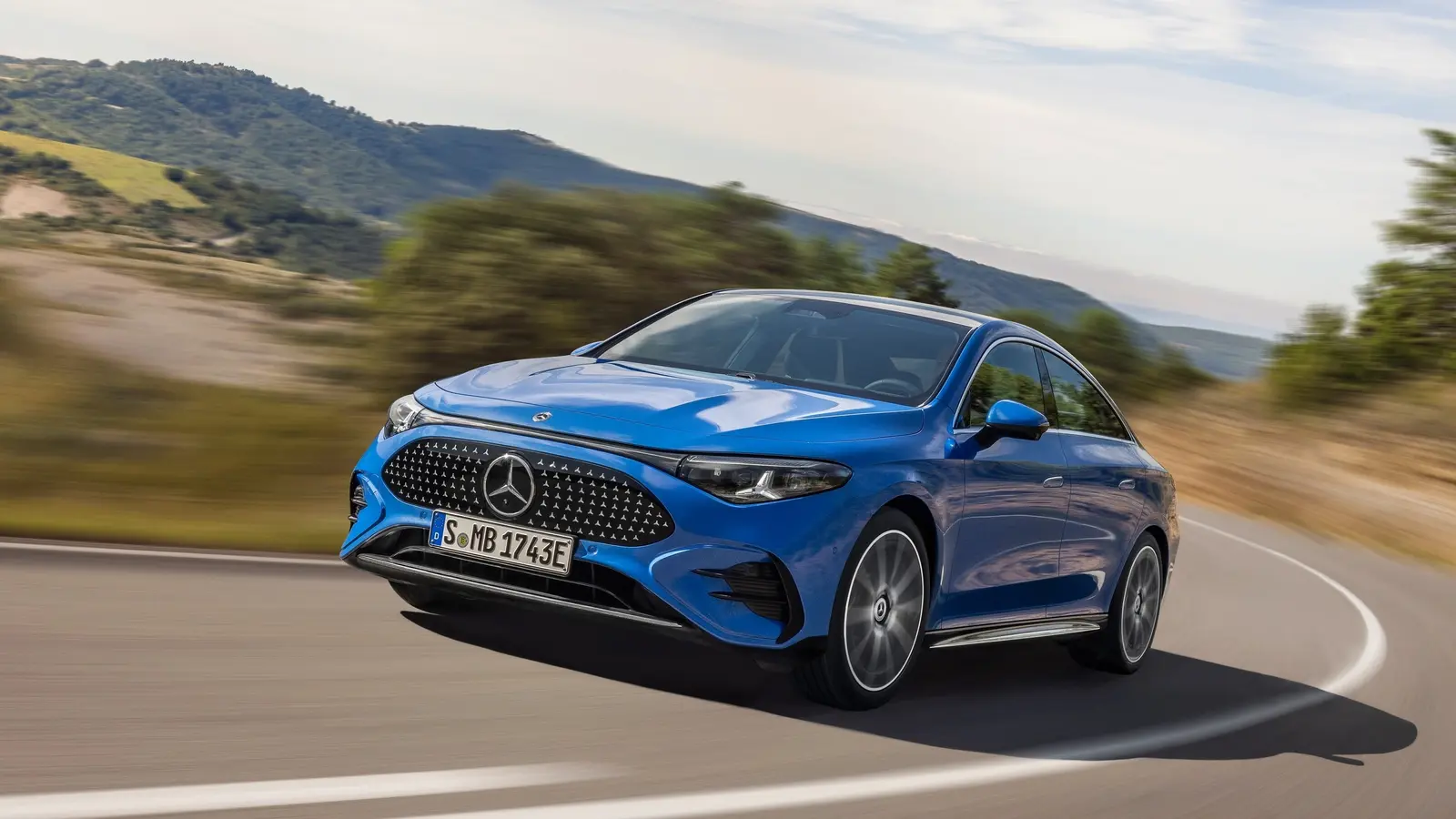
The all-new 2026 Mercedes-Benz CLA with EQ Technology surprised automotive journalists when Edmunds squeezed an impressive 385 miles (about 620 km) from the CLA 350 4MATIC on a single charge — well above Mercedes' EPA-rated 312 miles (502 km). That 73-mile gap represents roughly a 23.2% improvement over the EPA estimate and has observers rethinking how official figures translate to day-to-day driving.
Why the difference between EPA and real-world tests?
The short answer: test methodology. The EPA bases its range estimates on five laboratory driving cycles and applies weighted results plus a correction factor to better approximate real-world inefficiencies. Those adjustments are intentionally conservative, so EPA numbers tend to underpromise rather than overpromise.

Edmunds, by contrast, runs a fixed, on-road route designed to reflect everyday use: roughly 60% city and 40% highway driving. Vehicles are driven at an average speed near 40 mph (64 km/h), climate control and normal vehicle settings are used, and drivers stay within 5 mph of posted limits. For safety the test ends with about 10 miles (16 km) of indicated range remaining, so the final figure is a mix of measured distance and the car’s own range estimate.
These differences explain why Edmunds often reports higher ranges than the EPA. City-heavy routes favor regenerative braking, and that played a major role here — Edmunds recorded energy consumption of 25.7 kWh per 100 miles (≈16.0 kWh/100 km) versus the EPA’s 29 kWh/100 miles (≈18.0 kWh/100 km). In other words, Edmunds found the CLA 350 4MATIC to be about 12.8% more efficient than the EPA numbers implied.

What this means for buyers
If you do a lot of urban driving or drive conservatively, the CLA EV could deliver significantly more usable range than the EPA figure suggests. Key takeaways:
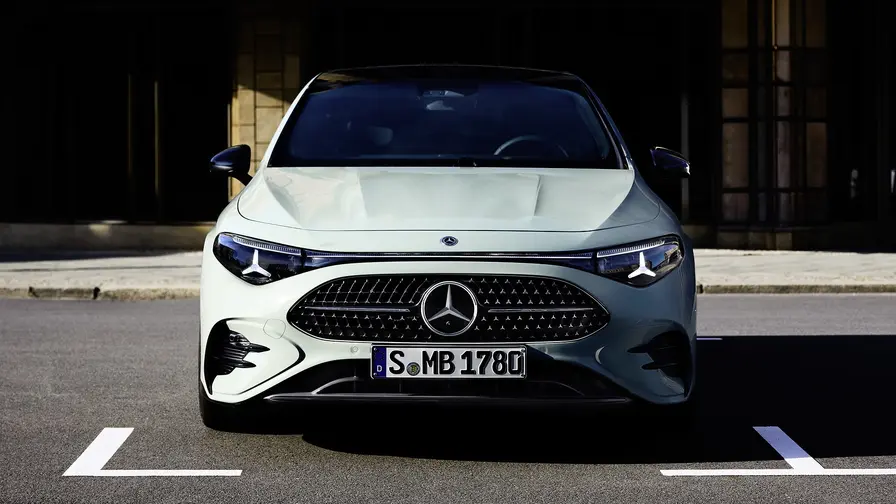
- Real-world testing showed 385 miles (620 km) for the CLA 350 4MATIC.
- EPA rate: 312 miles (502 km).
- Edmunds' single-motor/long-range variant (the 250+ type) logged an astonishing 434 miles (698 km) in the same test — 49 miles more than the dual-motor CLA 350.
These findings reinforce a simple point: EPA ratings are valuable for apples-to-apples comparison between models and manufacturers, but independent road tests reveal how a specific driving mix and local conditions can change usable range.

Design, powertrain and positioning
Mercedes has built the latest CLA as a multi-energy platform: internal combustion plus hybrid options sit alongside fully electric EQ versions. The CLA EV blends compact, coupe-like styling with Mercedes' modern lighting signature and a focus on efficiency and technology. While Mercedes offers multiple powertrain configurations, Edmunds’ headline results come from the dual-motor CLA 350 4MATIC with EQ Technology — a model engineered to balance performance and real-world economy.
Performance, efficiency and the role of regen
Regenerative braking becomes a decisive factor in urban scenarios. Because Edmunds’ route is city-weighted, the CLA recaptured a significant amount of energy, reducing measured consumption to about 25.7 kWh/100 mi. That’s a realistic look at how software tuning and regen strategy can extend range without changing the battery pack size.
Quote: "A test route heavy on city miles and moderate speeds can reveal substantially more real-world range than lab cycles, especially when regen is optimized," an industry analyst summarized.

Bottom line
Edmunds’ results don't mean the EPA is wrong — they mean the two tests answer different questions. EPA ratings provide a consistent baseline; independent real-world tests show what owners may actually experience. For buyers considering the 2026 Mercedes CLA EV, these Edmunds findings are encouraging: under many everyday conditions the CLA can outperform its official range, making it an even stronger contender in the compact electric segment.
If long-range usability matters, look at both EPA figures and independent road tests, and consider how your driving patterns (city vs highway, cruising speeds, climate control use) will affect on-road range. For many drivers, the CLA with EQ Technology may deliver more miles between charges than the sticker suggests.

Leave a Comment
Comments (2)
Is Edmunds route realistic for most ppl? Sounds like a city regen fiesta… highway commuters won't see 385. Temp and AC matter too
Whoa 385 miles? thats insane! Regen must be doing heavy lifting in city runs. If thats true Mercedes nailed the software